
AC TIPS & ADVICE
Use and selection Practical AC knowledge
Based on manufacturer information and site conditions, learn how to use the AC, judge faults, maintain it, choose a unit and save energy
Article categories
Showing articles 673–696 of 702 · Page 29 of 30
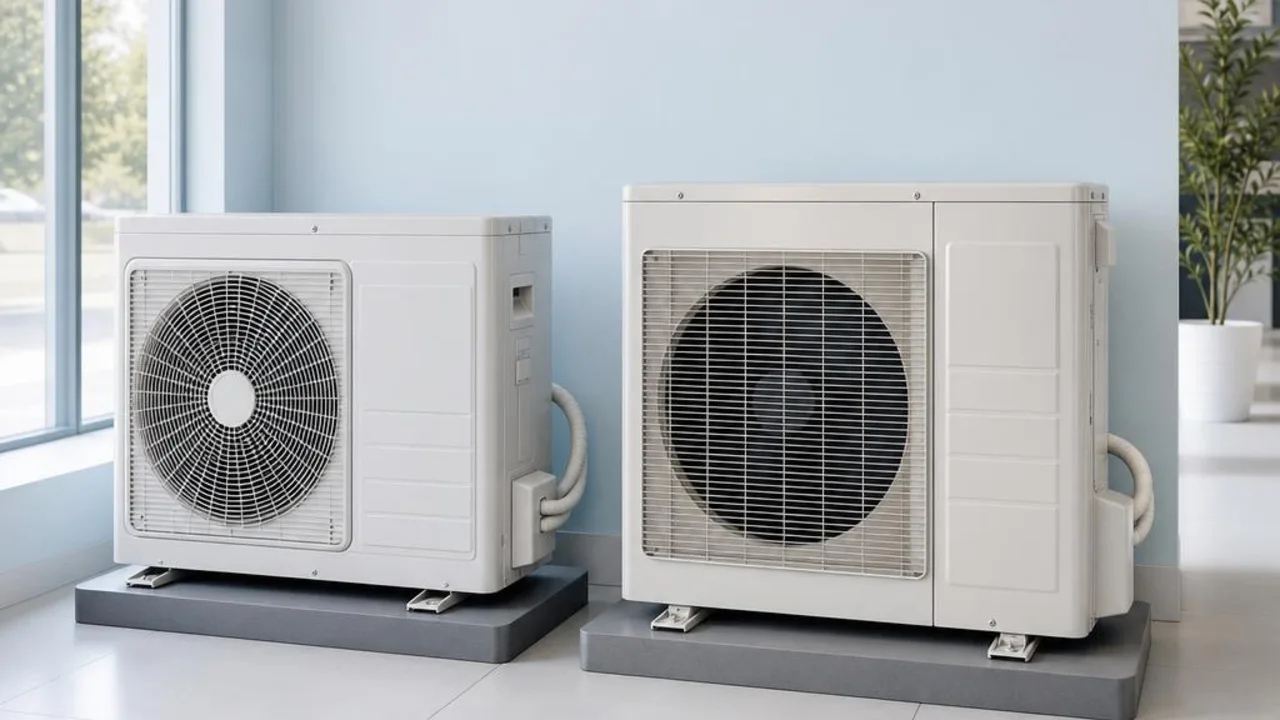
How do you choose between inverter and fixed-speed AC? Also consider power use and usage habits
Start with daily operating hours, compare inverter and fixed-speed operation, cooling capacity and energy labels, and do not judge by the word “inverter” alone

What is the difference between AC COOL, DRY, FAN and AUTO modes?
Understand what cooling, dehumidifying, fan, and auto modes are for, and do not confuse auto fan speed with auto operation when choosing settings

It's humid at home during the south return wet spell—should the AC be set to DRY or COOL?
Want your home to feel drier during the south return wet spell? Compare the uses of AC dehumidifying and a dehumidifier, then choose a mode based on temperature, humidity and the unit type

If the air conditioner has not been used for several months, what should be checked before turning it on again?
First look at the appearance, filter and remote control, then distinguish which parts can be maintained by yourself according to the manual and which abnormalities require shutdown and inspection
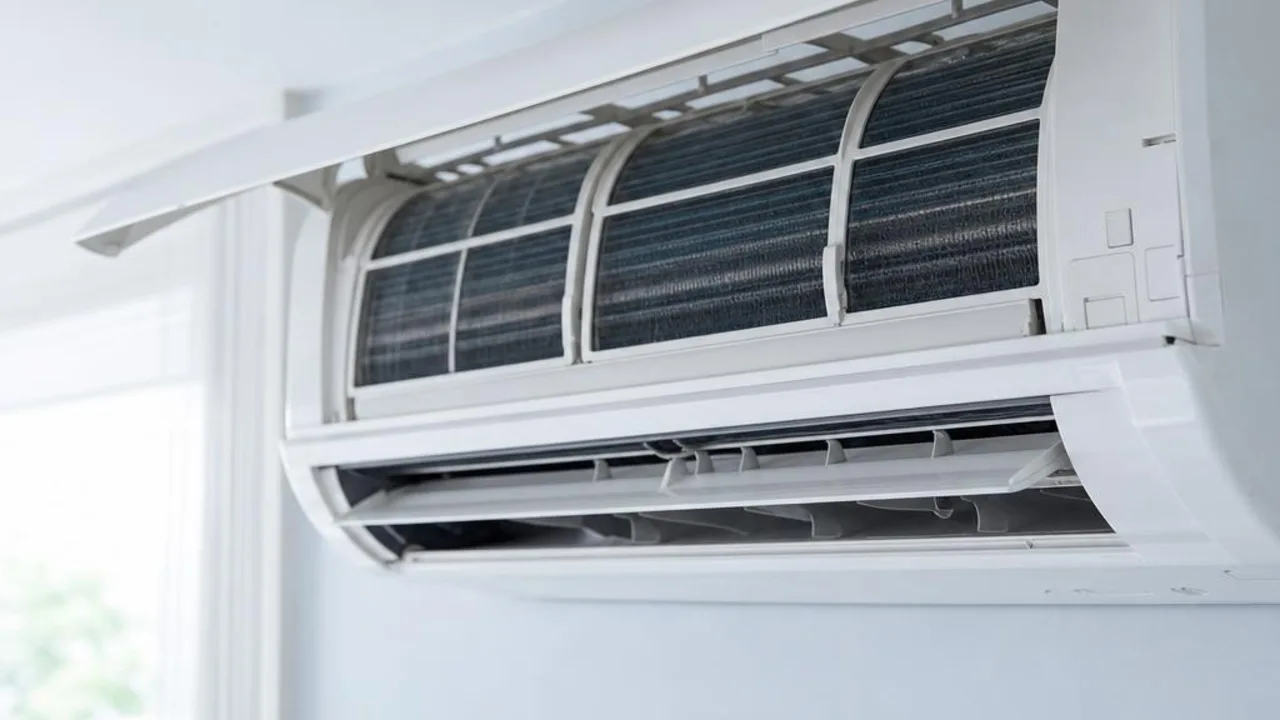
If the AC has an auto-clean function, do you still need to clean it?
Drying the inside of the unit, cleaning the dust filter and maintenance tips are not the same thing. Check what the automatic function can do, then you will know what still needs maintenance.

How many horsepower does an air conditioner need? Besides room size, what else should you consider?
Horsepower is not judged by room size alone. Sunlight, ceiling height, number of people and heat from appliances also need to be counted. Organise the room details before choosing a unit

How to read an air conditioner energy label? What do the rating and electricity use mean?
Learn how to read the grade, cooling capacity and annual power consumption. When buying a unit, compare similar specifications and do not treat test figures as your actual home electricity bill

Want a quieter AC? How should noise specifications be checked?
A lower dB figure does not necessarily mean it is suitable. Sound pressure, sound power, airflow speed and test conditions all need to be considered together, and the installation location also affects the sound.
How to use the remote control? Cooling, dehumidifying, fan, and auto modes
Distinguish COOL, DRY, FAN and AUTO, so you do not confuse automatic fan speed with automatic mode; choose the setting according to your needs and the model
If the air conditioner has not been used for several months, what should be checked before using it again?
After long-term inactivity, check for visible damage, the filter and air outlet first, then test-run according to the manual; distinguish between signs you can observe yourself and warning signs that require the unit to be taken out of use
What is the difference between inverter and fixed-speed AC? Choosing a unit is not just about the name
Understand compressor speed control and start-stop control, and compare based on usage time, cooling capacity, energy data, and total installation cost; do not use a fixed energy-saving ratio
How Do You Choose Air Conditioner Horsepower? What Factors Matter Beyond Floor Area?
Consider cooling capacity, sunlight, ceiling height, number of occupants and heat sources together, and provide the room details to the installer, instead of copying a fixed formula per square foot
How to read an air conditioner energy label? Rating, cooling capacity, and annual electricity use
Understand levels 1 to 5, cooling capacity, and the labelled annual energy use; distinguish test-comparison figures from actual electricity bills, and avoid choosing a unit based only on a level-1 label
How to compare AC noise specifications? Decibels, fan speed, and outdoor placement
Distinguish sound pressure from sound power, indoor from outdoor data, and promotional low-speed figures from actual use; when choosing a unit, do not focus only on the lowest decibel rating.

How to save electricity when using AC in summer? Settings, usage and maintenance guide
Start with temperature settings, fans, sunlight, energy labels and filters to distinguish everyday energy-saving steps from situations that need cleaning or inspection

How often should the dust filter be cleaned? Safety inspection and cleaning steps
Schedule filter inspections according to usage hours and manufacturer guidance, distinguish washable filters from specialist filter media, and understand the safety limits of cleaning them yourself
Steam cleaning the tub: check materials and manufacturer-approved use range first
Before using a Kärcher or other steam machine, also check the bath and cleaning equipment manuals; do not assume high heat works on all coatings, joints and stains
What should you do if a washing machine has a musty smell? Clean it yourself, or hire a washing machine cleaning company?
Analyse methods for dealing with mouldy odours in washing machines, and compare the pros and cons of DIY cleaning versus professional service
Front-loading washing machine cleaning | Front-loading washing machine for best performance
Regularly cleaning the seals and drawer of a front-load washing machine helps maintain the equipment's performance
Routine range hood cleaning: first identify washable and non-removable parts
Handle the casing, grease cup and washable filters according to the range hood model, and avoid using generic soaking times, acidic formulas or internal spray washing; internal faults and deep cleaning should be assessed separately.
Book range hood cleaning: parts scope, protection and completion check
When asking about professional range hood cleaning, first confirm which parts can be removed and washed, whether the ducting is included, what cleaning products are used, and whether reassembly and testing are included. Deep cleaning should not be used as a substitute for fault repair
Top-loading washing machine cleaning: Is steam suitable and how to maintain the drum
For top-loading washing machines, the drum, detergent drawer and casing should first be handled according to the model manual; do not spray steam directly onto the control panel, and drum dismantling or electrical issues will be assessed separately
Range hood cleaning: filter, oil cup and steam use limits
For range hood cleaning, distinguish between removable filters, oil cups, the impeller and electrical control areas; check the manual and materials, and do not steam-clean the whole unit
Front-loading washing machine cleaning: door seal, detergent drawer and steam limitations
The door seal, detergent drawer and drum of a front-loading washing machine each have their own maintenance requirements; do not spray steam directly onto the control panel, seal or inside the machine