
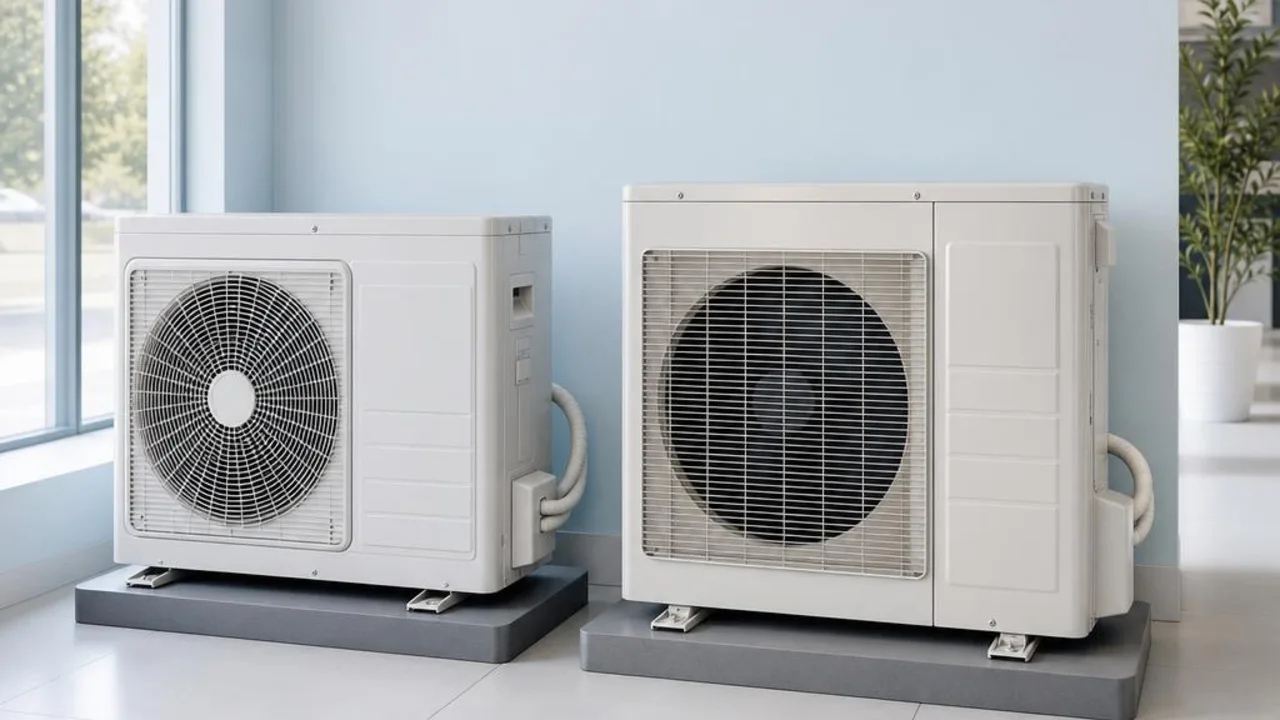
How do you choose between inverter and fixed-speed AC? Also consider power use and usage habits
Contents
Inverter and non-inverter describe operating control, while split and window describe the unit structure. These two classifications should not be mixed up. When choosing a unit, consider room needs, efficiency and installation together, rather than assuming power consumption or durability from one name alone.
First look at the three key points
- First distinguish the control method:Inverter can adjust compressor speed, while fixed-speed units generally regulate cooling by switching on and off; both need to match the room's requirements.
- For energy saving, look at the actual conditions:The model's energy efficiency, usage time and environment all affect electricity bills; there is no energy-saving ratio that applies to every home.
- Compare total cost:In addition to the unit price, also check the terms for removal of the old unit, installation, extra work, and maintenance.
The basic difference between the two operating modes
A fixed-speed unit usually regulates cooling by starting and stopping the compressor; an inverter unit can adjust speed or output within its designed range to match load changes. Actual operation still depends on the model, environment and controls, and does not mean an inverter unit never stops.
Changes in sound and airflow after the set temperature is reached cannot be diagnosed by listening alone. If the unit stops frequently, never cools properly, or shows a fault light, record it and enquire; do not ignore abnormalities just because it is an inverter unit.
On narrow screens, swipe left or right to view the full table
| Comparison items | Inverter AC | Fixed-speed AC |
|---|---|---|
| Compressor control | Adjust speed or output within the designed range to match load changes. | Generally, cooling is regulated by compressor start-stop operation. |
| Control features | Adjust output according to load, which may result in steadier operation; actual performance must be checked against the model. | Start and stop according to the setting; the actual room temperature is still affected by load, control and the environment. |
| Electricity bill and payback | Both should be compared according to the actual model's energy efficiency, hours of use, and environment; there is no universal electricity-saving percentage or payback period. | |
| Purchase and installation | Based on a similar cooling capacity, compare the unit price, removal of the old unit, installation, extra works and warranty terms together. | |
Energy saving should be compared under similar cooling needs
Inverter adjustment may bring smoother operation and energy advantages, but actual results are affected by hours of use, sunlight, room load, settings and equipment efficiency. There is no single energy-saving percentage that applies to every home.
Compare the energy labels and manufacturer data for models with similar cooling capacity, then consider your own usage hours. Whether the price difference is worthwhile cannot be calculated by simply multiplying the advertising ratio by electricity costs, and you cannot assume an inverter model will definitely pay back within a specified number of years.
Installation and maintenance remain important.
Unit efficiency depends on suitable capacity, heat dissipation, piping and installation conditions. Replacing with an inverter model does not guarantee that the old pipes, power supply or outdoor location can be reused directly; the new model specifications must be assessed.
Both inverter and non-inverter units require the manufacturer’s specified maintenance. Cleaning also cannot replace checks for electrical faults or refrigerant problems. Repair costs depend on the actual fault, parts and supply, and it cannot be guaranteed that one type is always cheaper or more durable.
List your actual usage conditions before choosing a unit
Please provide the room use, dimensions, sun exposure, number of regular occupants and daily usage hours, then compare the suitable cooling capacity and model. The choice between window and split type also depends on site support, the outdoor unit and piping route.
If the goal is to solve an old unit that is not cooling enough, first distinguish between repair and replacement needs; comparing models does not mean the old unit has already been diagnosed as faulty. A full quotation must include confirmed removal of the old unit, installation and any extra works, not just the main unit price.
Related reading and services
- How to compare energy labels
- Cooling capacity and room load
- Installation comparison between split units and window units
Common questions
Are split units always inverter, and are window units always fixed-speed?
No. It is not the same category. The unit structure and control method must be confirmed separately; check the actual model specifications, not just the appearance or name.
Does inverter AC always save a fixed percentage of electricity?
No guarantee can be made in general. Hours of use, load, settings, capacity and unit efficiency all affect power consumption. Compare products with similar cooling capacity and official data, and do not treat advertising ratios as your personal electricity bill result.
Reference sources and applicable scope
This article provides a preliminary guide only and does not replace an on-site diagnosis. Original manufacturer functions and operation apply only to the corresponding model; please refer to your own unit's manual. For fixed electrical installations, inspection should be arranged by a registered electrical contractor.


Need professional help?
Need to know about AC installation service? First check the service scope and arrangements, then provide the model and site details for enquiry