
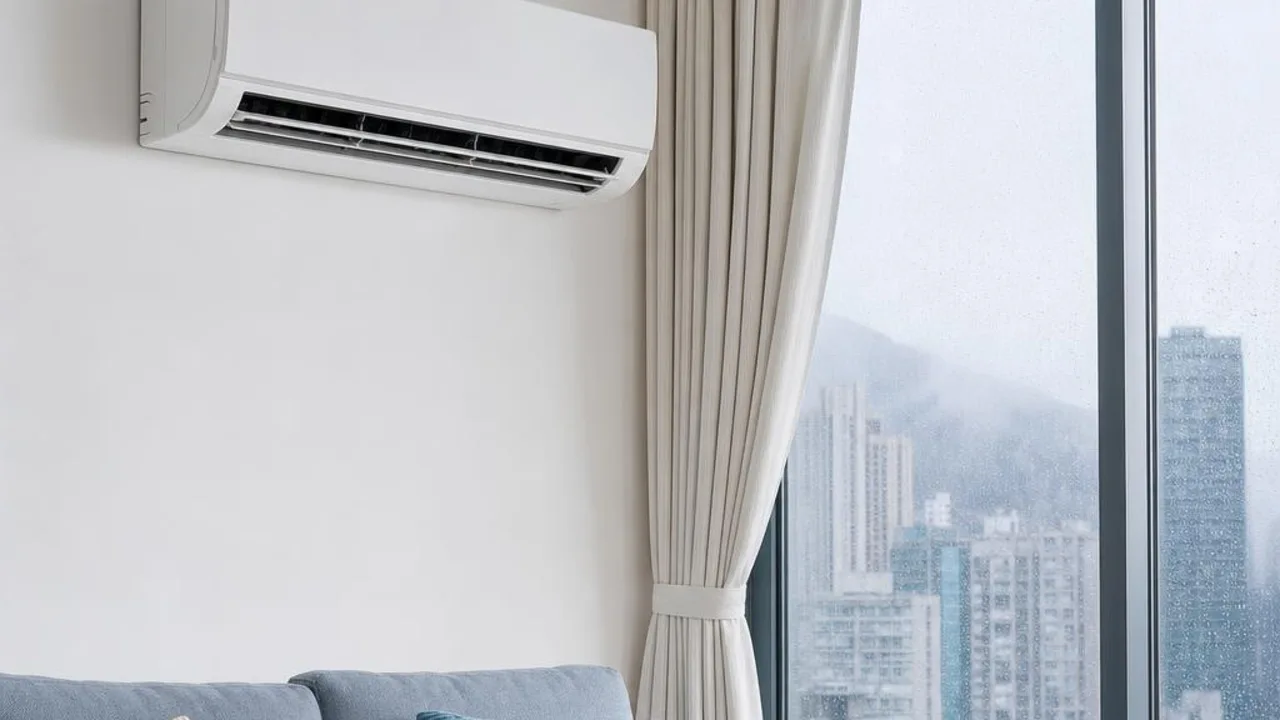
It's humid at home during the south return wet spell—should the AC be set to DRY or COOL?
Contents
During the south return wet spell, moisture may appear on walls or near windows. Simply lowering the AC temperature may not solve the problem. Dehumidifying mode is affected by the unit and the environment, and it cannot replace dealing with seepage, wet clothes or other ongoing sources of moisture.
How does DRY work with cooling?
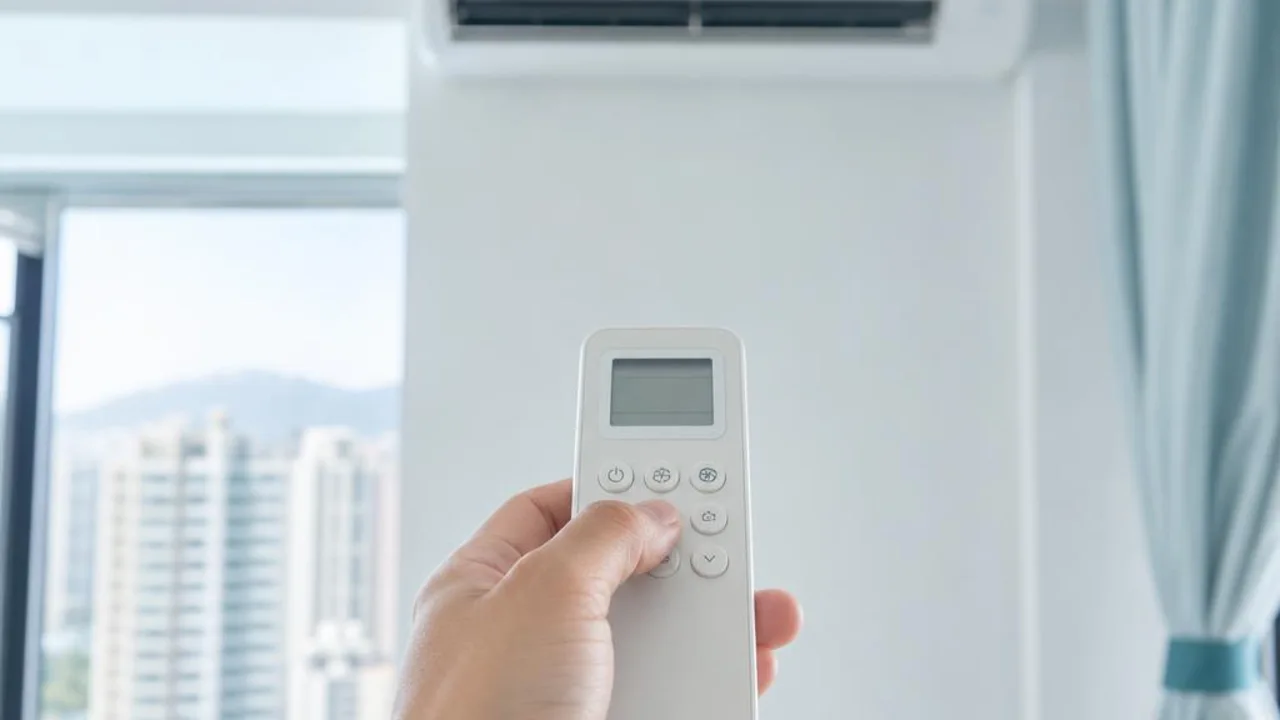
Household air conditioning usually produces condensation while cooling air, and uses control methods to reduce moisture in the air. DRY mode may adjust airflow or operation, so on some models you cannot freely change the fan speed or temperature.
This does not mean that every DRY mode has an independent humidity target, nor does it guarantee suitability for every room temperature. Check the manufacturer's permitted environment and operation; do not assume a mode name means it can reach a fixed humidity level.
A very hot room is different from a slightly cool, humid one
When a room is both hot and humid, choose cooling or dehumidifying according to the equipment and comfort needs; when it is already cool, do not simply use a lower temperature in pursuit of dryness. Air conditioners and dehumidifiers have different controls and suitable environments, so their specifications must be checked separately.
Use a suitable thermometer/hygrometer to observe changes rather than relying only on how your skin feels to judge humidity. Placement and environment affect readings, and one reading cannot guarantee that dampness in the whole home has been resolved.
Reduce moisture at the source, not just switch modes
Watch for drying laundry, cooking, humid air brought in by opening doors and windows, and visible water seepage, and arrange ventilation according to the weather and use. Persistent damp marks on walls may involve building or water-supply issues, and are not necessarily solved by AC cleaning alone.
Air conditioner drainage must also function properly. If the indoor unit is dripping water, icing up, or water is near electrical appliances, stop using it first and find out whether the issue is drainage or something else; do not treat indoor water leakage as normal just because the unit is in dehumidifying mode.
Dehumidification performance and power use cannot be guaranteed in all cases
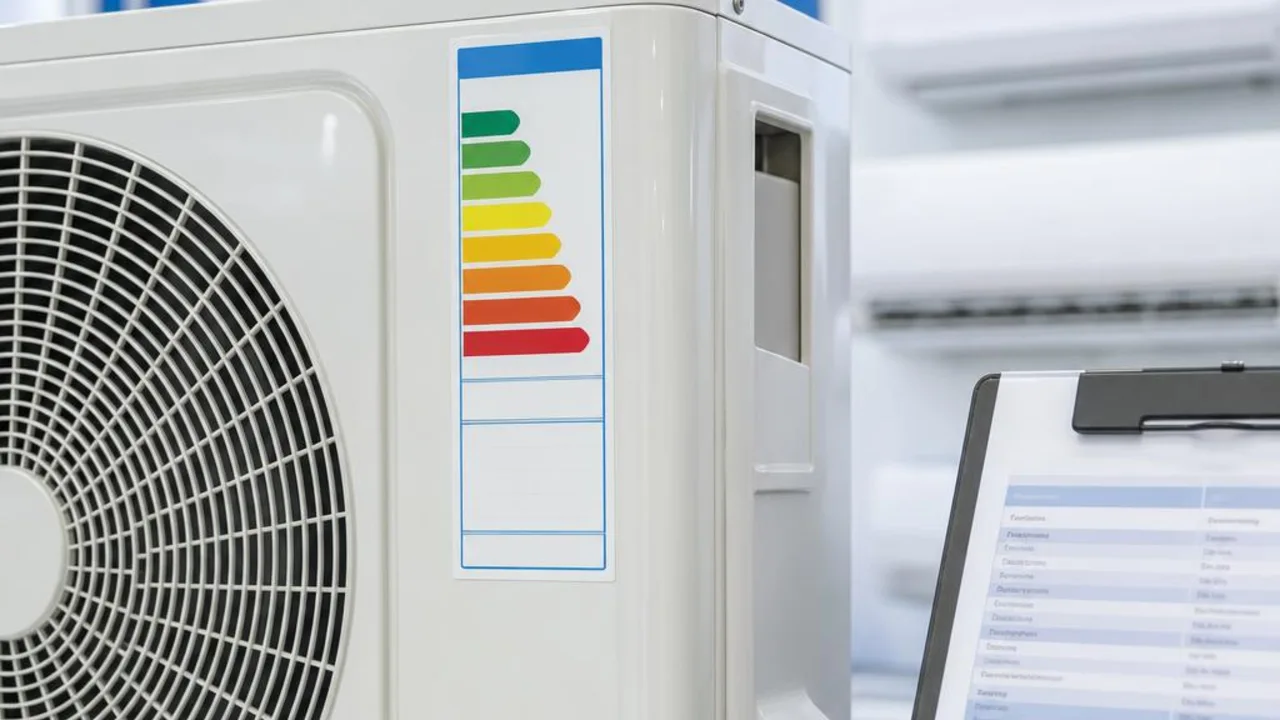
Power use depends on the model, environment, running time and settings. DRY does not necessarily use less electricity than COOL. When comparing usage, look at whether it can achieve the required comfort and dryness, rather than comparing button names only.
If the original performance has clearly worsened, provide the operating mode, room temperature and humidity observations, usage period, and related symptoms. Do not add refrigerant yourself, change sensors, or remove the drainage system; let the service provider assess, based on the information, whether cleaning or inspection is needed.
Related reading and services
Common questions
Is DRY always more energy-saving than COOL?
No guarantee can be made in general. Different control systems, room temperatures, humidity levels, operating hours and target settings mean there is no fixed electricity-saving percentage that applies to every room.
The DRY mode is on but there are still damp marks. Can AC cleaning help?
Not necessarily. Moisture sources, seepage and building issues can all have an impact, so the cause must be separated out. If the unit is dripping, stop using it first and ask for an inspection; do not attribute all dampness to the air conditioner.
Reference sources and applicable scope
This article provides a preliminary guide only and does not replace an on-site diagnosis. Original manufacturer functions and operation apply only to the corresponding model; please refer to your own unit's manual. For fixed electrical installations, inspection should be arranged by a registered electrical contractor.
Need professional help?
Need to know about Residential air conditioning service? First check the service scope and arrangements, then provide the model and site details for enquiry