
How to read an air conditioner energy label? Rating, cooling capacity, and annual electricity use
Contents
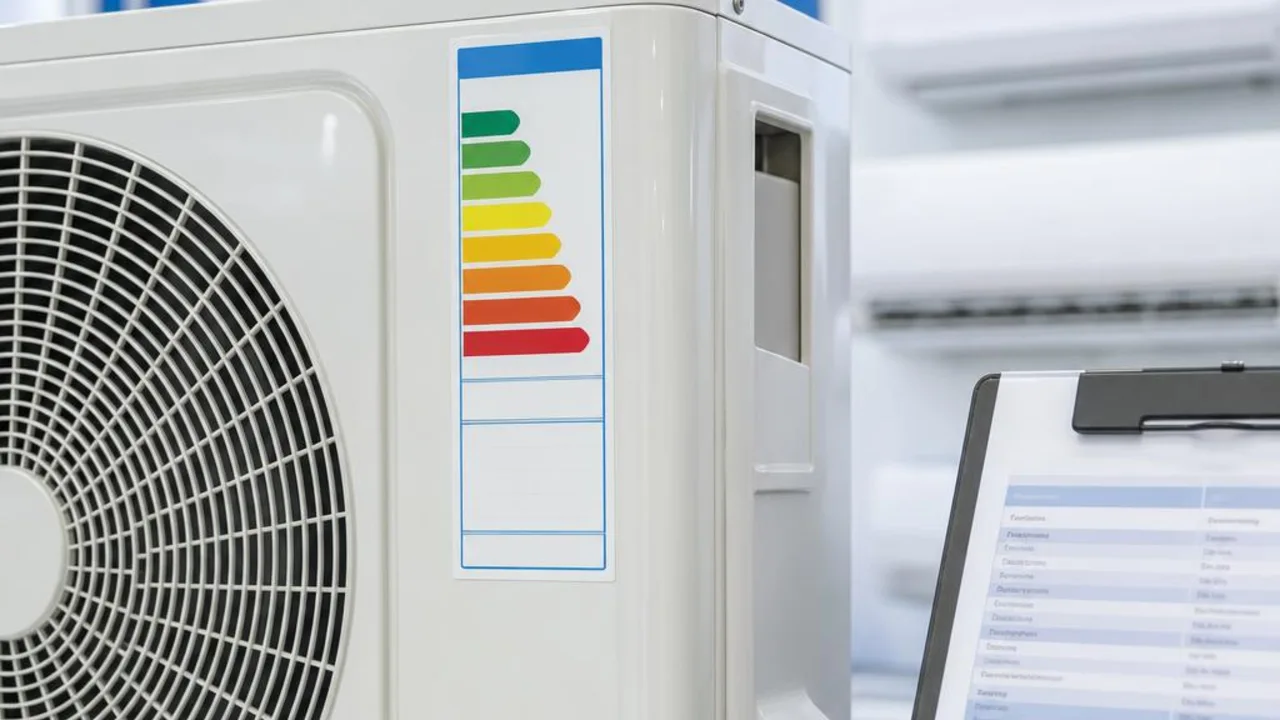
The energy label is not just one big "1". The Electrical and Mechanical Services Department's room air conditioner label also provides the energy grade, annual electricity consumption and cooling capacity; looking at the figures together with the capacity you actually need is more useful than relying on colour alone or the inverter name.
What do Grades 1 to 5 mean?
The EMSD explains that Grade 1 is the highest energy-efficiency grade and Grade 5 the lowest. Grading does not mean every unit of the same grade is exactly the same: in Consumer Council tests, inverter window units with the same Grade 1 still showed differences in energy efficiency. Do not assume a Grade 1 label is best for every room, or that it will definitely save a certain percentage compared with your old unit.
First check the cooling capacity, then the power use
Cooling capacity shows how much heat a unit can remove; annual energy use is a reference for comparing power consumption. A larger-capacity model may still have a higher stated energy use even if it is efficient, so do not pick only the one with the lowest annual energy use. First match the room load to a similar cooling capacity, then compare models in the same class and the test basis.
What is CSPF?
The Cooling Seasonal Performance Factor (CSPF) reflects the ratio of total heat removed to total electricity used under standard seasonal conditions; under comparable test conditions, a higher number means better cooling energy efficiency. It is not an instant efficiency reading for every moment at home, and cannot be directly converted into a fixed electricity-saving percentage. Check the manufacturer’s specifications or registered product information, and do not rank numbers from different standards directly.
Why does annual power consumption not equal the actual bill?
The stated figures are calculated under specified test conditions. Actual electricity use will vary with home operating hours, sunlight, number of people, settings and maintenance. For heat pumps, cooling and heating ratings and power data must be distinguished. This article does not use the label to estimate a guaranteed electricity bill, nor does it treat the test-assumed tariff as your current charge.
Check each item before buying
- Do the label and the quotation refer to the same complete model? For split-type units, confirm the matched indoor and outdoor units
- Whether cooling capacity meets the assessment needs, rather than looking only at the horsepower label
- Are the energy grade, CSPF and annual electricity consumption based on comparable standards?
- Is the unit price, installation work and written after-sales terms all clearly set out separately
Please read againFactors for choosing horsepowerandPrinciples of inverter and non-inverter. For everyday energy-saving operation, seeEnergy-saving guide for use and maintenanceDo not confuse purchase specifications with operating habits as a guarantee.
Common questions
If both have Grade 1 energy labels, will their electricity use be the same?
Not necessarily. The class is only a grading. Cooling capacity, CSPF and annual electricity consumption can still differ; compare first under similar cooling capacity and test conditions.
Does the label's annual electricity use multiplied by the tariff equal my home's annual AC cost?
This is for comparison under specified test conditions only, not a guarantee of your electricity bill. Actual usage time, settings, weather, room load and electricity tariff will all affect the bill.
Reference sources and applicable scope
This article provides a preliminary guide only and does not replace an on-site diagnosis. Original manufacturer functions and operation apply only to the corresponding model; please refer to your own unit's manual. For fixed electrical installations, inspection should be arranged by a registered electrical contractor.
Need professional help?
Need to know about AC installation service? First check the service scope and arrangements, then provide the model and site details for enquiry