
AC TIPS & ADVICE
Use and selection Practical AC knowledge
Based on manufacturer information and site conditions, learn how to use the AC, judge faults, maintain it, choose a unit and save energy
Article categories
Showing articles 649–672 of 702 · Page 28 of 30
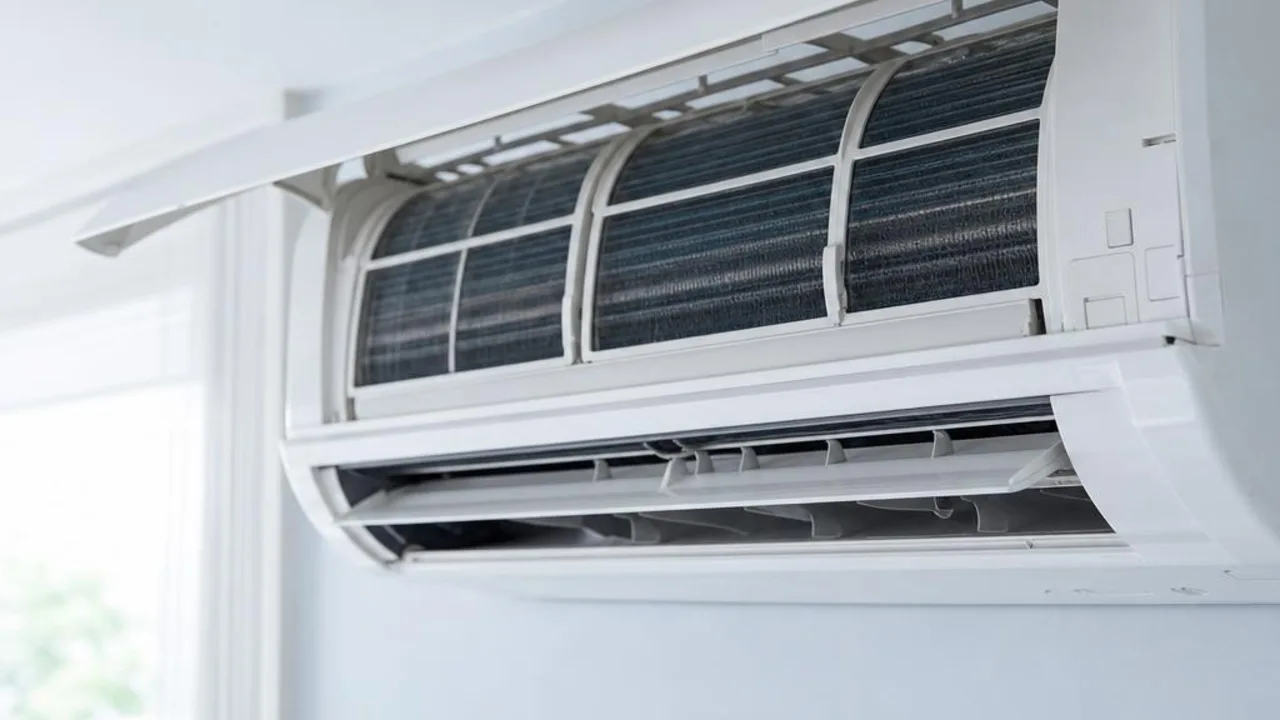
Black dust coming from an air conditioner: stop using it first and do not assume it is mold
Black debris may be accumulated dirt or component material; colour alone cannot confirm the cause. Record where it came from and separate cleaning from repair needs.

Removing the casing from a window AC: separating dust filter cleaning from dismantling risks
Opening the user-access front cover does not mean the unit can be pulled out. Understand the risks of plastic clips, capacitors, support, and rust; do not follow generic steps to dismantle the unit yourself
Small Insects Blowing Out of the Air Conditioner: Cleaning, Gaps and Pest Problems Must Be Dealt With Separately
The source of insects may not be the air conditioner alone. Record from a safe position, and avoid spraying insecticide into the unit or blocking the heat dissipation and drainage outlets
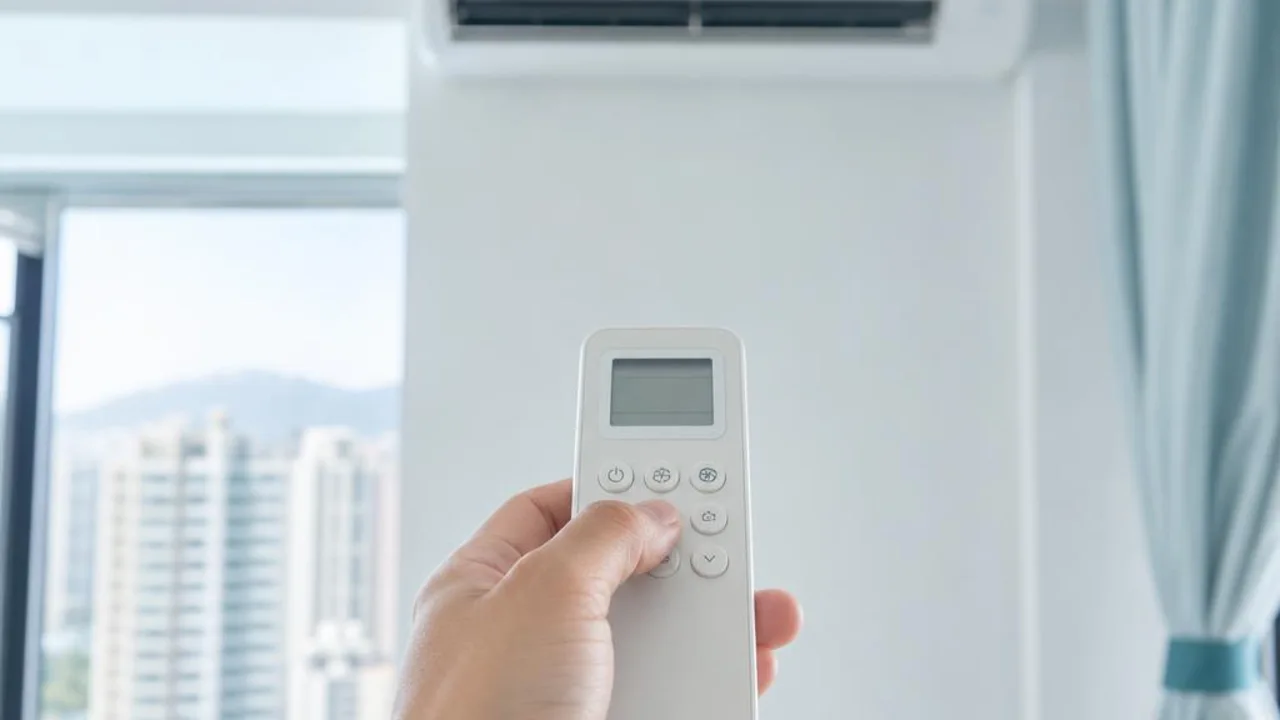
If the AC louver will not close or the fan blades are damaged: do not force it by hand
The outlet louver and the blower wheel inside the unit serve different purposes. Distinguish settings, foreign objects and component problems to avoid forcing the louver or replacing blades yourself
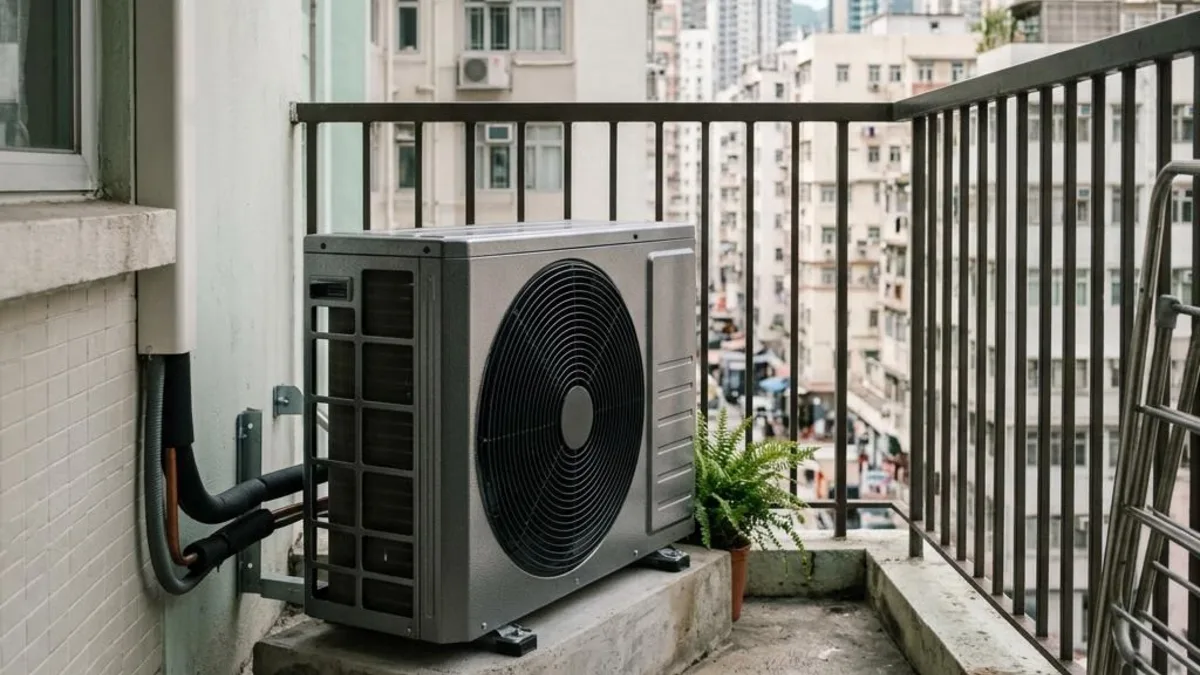
AC drain pump and automatic drain unit: assess first if needed
Poor drainage does not necessarily mean a pump must be added. Understand drainage lift, pump noise, overflow and maintenance needs, and judge according to the model and piping route.
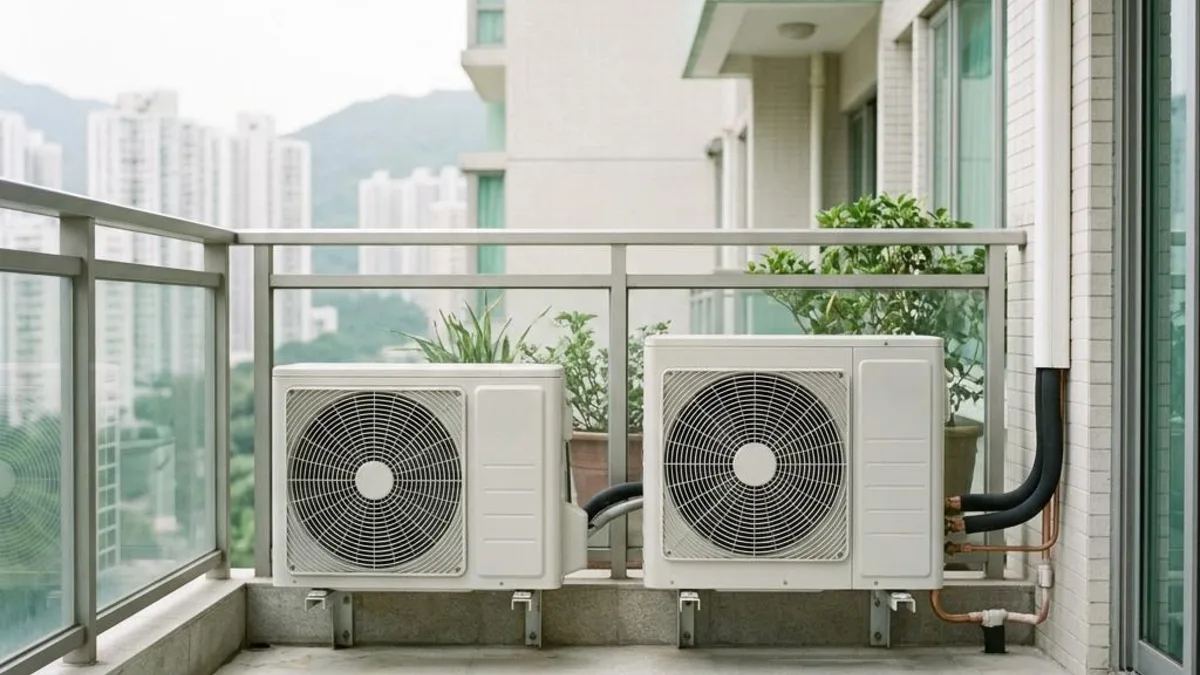
Air conditioner copper pipe size and length: refer to the matching model specifications
Copper pipes are not better just because they are thicker, and there is no universal length limit for all air conditioners. Distinguish between the liquid line, gas line, drain line and insulation requirements.

Sound insulation pads and anti-vibration pads: do not lift the unit yourself to add pads
Anti-vibration pads only address suitable vibration transmission, and cannot fix a loose frame or a damaged fan wheel. Thickness, load-bearing capacity, drainage and fixing must be assessed together
AC-related allergies: environmental cleaning is not treatment
Nasal congestion and a runny nose can have different causes. Pay attention to airflow, dust build-up and the indoor environment. If the discomfort persists, seek medical advice, and do not rely only on AC cleaning.
Installing air-conditioning pipe covers and piping in the wall: leave space for future maintenance, not just for appearance
Decorative pipe trunks are not supply-air ducts. Compare exposed pipe trunks and concealed pipe routes, and confirm insulation, drainage, structure and future maintenance in advance
Rain or typhoon water ingress into the air conditioner: distinguish normal operation in rain from leakage
The outdoor unit is designed for outdoor use, but that does not mean it can still be turned on after damage or water ingress. Distinguish between condensation, rain leakage at the window, and electrical water exposure risks
Remote pairing and automatic start: check the model and timer settings first
Original infrared remote, universal remote and Wi‑Fi pairing are not the same process. Distinguish compatibility, timer functions, power-restoration behaviour and genuine control faults.
AC noise nuisance: regulations differ for residential and commercial premises
It is not only regulated after 11 o'clock at night. Understand the difference between residential and commercial noise from AC units, record the issue and arrange follow-up
When installing air conditioning in public housing and Home Ownership Scheme housing: first check the application, location, and project requirements
Public housing application forms cannot be applied directly to all Home Ownership Scheme flats. Before choosing a unit, ask the management office to confirm the bracket, power supply, piping route and completion documents
The air conditioner is too cold or too warm, or keeps cooling continuously: do not move the temperature sensor wire yourself
Temperature control issues are not necessarily caused only by dust. First check the mode, room load and fault records. Sensor location and testing should be confirmed by staff according to the model.
Possible AC short circuit or tripping: stop using it, do not dry it and try again
Short circuit, leakage and overload are not the same fault. Repeated tripping, a burning smell or water exposure should be checked by a qualified person; do not replace wiring yourself
Split AC vacuuming: understand the purpose; on-site values should follow the manufacturer's specifications
Vacuuming, refrigerant charging and air purging are not the same thing. Learn the key points of installation checks; we do not provide residents with instructions on connecting gauges or opening valves

Ducted split AC vs wall-mounted split AC: supply air and access needs
Ducted AC does not mean it is definitely more energy-saving or that one unit can control all rooms. Compare ceiling space, ducting, return air, controls and cleaning scope
How to choose a one-to-three split AC: trading off outdoor space and shared capacity
One outdoor unit connected to three indoor units does not necessarily save electricity. Before choosing, confirm compatibility, simultaneous usage needs and the impact of a fault.
Do anti-mould stickers for air conditioners work? Product claims do not mean the inside of the unit is already clean
Patch ingredients and test conditions vary, so they cannot be taken as proof of disinfection for all products, and they certainly cannot replace treatment for dirt buildup and drainage issues
Split AC casing removal: do not follow generic steps to dismantle panels and clean the unit
The cover, casing, blower wheel and control board are not cleaned in the same way. Follow the manufacturer’s instructions for routine cleaning, and avoid water, chemicals and high-pressure spraying that may cause damage
Damaged dust filter: replace according to the model, do not patch it casually
Broken mesh, deformation and dedicated filter cartridges require different handling. Confirm which parts are washable and the original manufacturer specifications; do not use tape or extra filter cotton to block airflow
How an Air Conditioner Works: Evaporator, Condenser, and Refrigerant Cycle
An air conditioner does not blow refrigerant into the room. Understand heat absorption, heat release, throttling and airflow during cooling, and distinguish condensation water from refrigerant leakage
Back and waist discomfort in an air-conditioned room: adjust comfort settings, and seek medical attention if the pain persists
Back pain in an air-conditioned room does not prove it was caused by the air conditioner. Avoid direct airflow, pay attention to posture and movement, and do not use cleaning as a substitute for medical assessment
Can an air-conditioning blanket be washed? Check the care label and filling first
An air-conditioning blanket is a usage term and does not mean the fabric is the same. Washable, machine-washable, dry-cleaning, and drying methods should follow the product label; do not apply one temperature to everything