
AC TIPS & ADVICE
Use and selection Practical AC knowledge
Based on manufacturer information and site conditions, learn how to use the AC, judge faults, maintain it, choose a unit and save energy
Article categories
Showing articles 217–240 of 702 · Page 10 of 30

Split-type air conditioner installation: key points on unit selection, placement, and quotations.
This guide summarizes the key points to consider when installing a split-type air conditioner, including purchase, installation location, and maintenance.
Split units and window units: a checklist before comparing installation quotes
When comparing split-unit and window-unit air-conditioning solutions, check the full project scope for openings, outdoor location, piping, power supply and future maintenance access, rather than judging only by model type or assuming power savings or repair cost from that alone
Public housing window AC selection: approved locations, dimensions and maintenance arrangements
For public housing window units, first confirm the approved location, size and support with the management office, then choose cooling capacity and energy label; do not use a fixed area-to-horsepower chart instead of an on-site assessment
AC installation in winter: prepare the site and confirm the work first
In winter, you can first confirm the installation location, power supply, drainage and management requirements, but price, supply and schedule still need to be confirmed; cheaper off-season pricing or a faster schedule is not guaranteed
Common Air Conditioner Maintenance Questions: Filters, Faults and Service Boundaries
Answers to common questions on routine filter cleaning, refrigerant, dripping water, unusual noises, and the scope of professional cleaning, correcting common misconceptions about fixed cleaning times, energy ratings and DIY dismantling/repairs
Old air conditioner: repair or replace? First confirm the unit condition and total cost
An old air conditioner is not automatically written off based on age or season; compare inspection results, parts, repair cost and new-unit work, and do not promise autumn discounts or more available slots
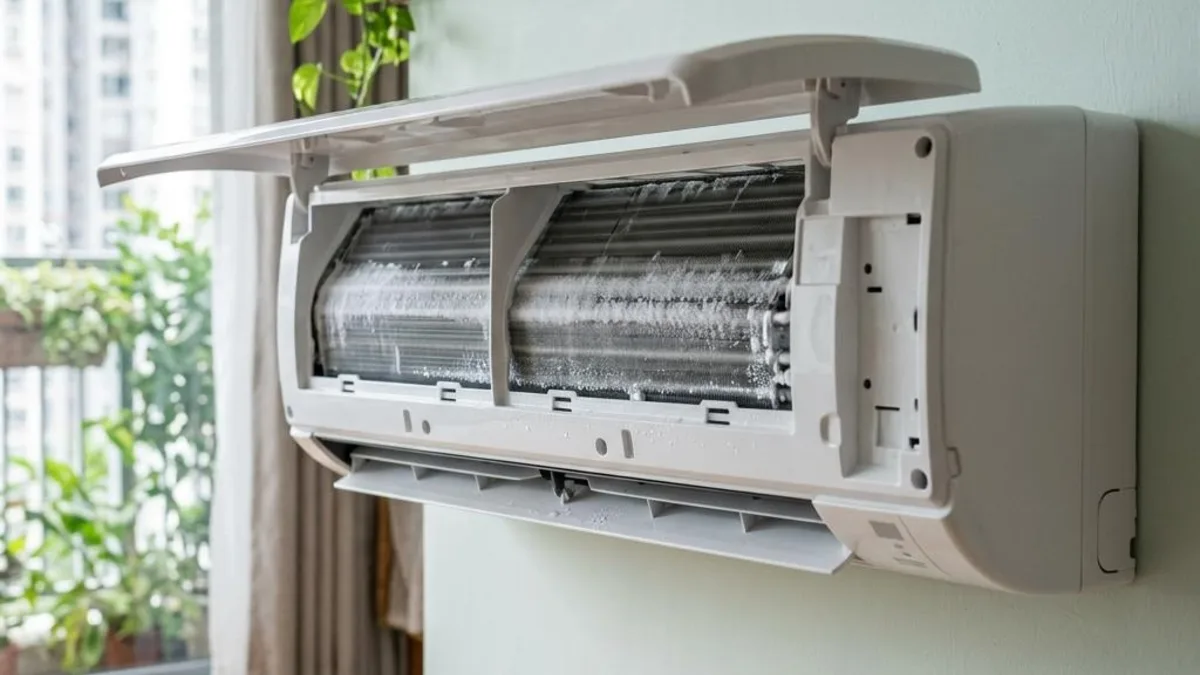
Dealing with a midnight air conditioner leak
Understand the causes of overnight AC leaking and seek professional repair help if needed
When to replace an AC: how to assess age, faults and maintenance
There is no universal lifespan of 10 to 15 years for all air conditioners; decide between repair and replacement based on unit condition and parts, and cleaning does not guarantee a fixed extension in service life
Causes of air conditioner dripping and solutions
This article provides an analysis of the causes of air conditioner dripping and basic maintenance advice.
Causes and Solutions for AC Dripping
Analyse common causes of air conditioner dripping and provide corresponding solutions
Replacing air conditioner copper pipes: first confirm the fault, routing, and scope of work
Re-running copper piping is not a universal fix for all poor-cooling problems. First confirm the system, pipe condition and original manufacturer requirements, and distinguish between inspection, pipe replacement and reinstallation.
Air outlet dripping: what else should be checked besides drainage blockage
Dripping may involve drainage, ice formation, insulation or installation, and cannot be directly judged as a blocked drip tray. Stop using it first, record the situation, and then arrange the appropriate inspection.
Split AC repair and maintenance record: confirm indoor and outdoor areas separately
Keep records separately for the split-type unit filter, indoor and outdoor work, existing faults, and parts repairs; do not clean the heat sink fins yourself, adjust the grounding wire, or rely on a maintenance promise to extend the lifespan
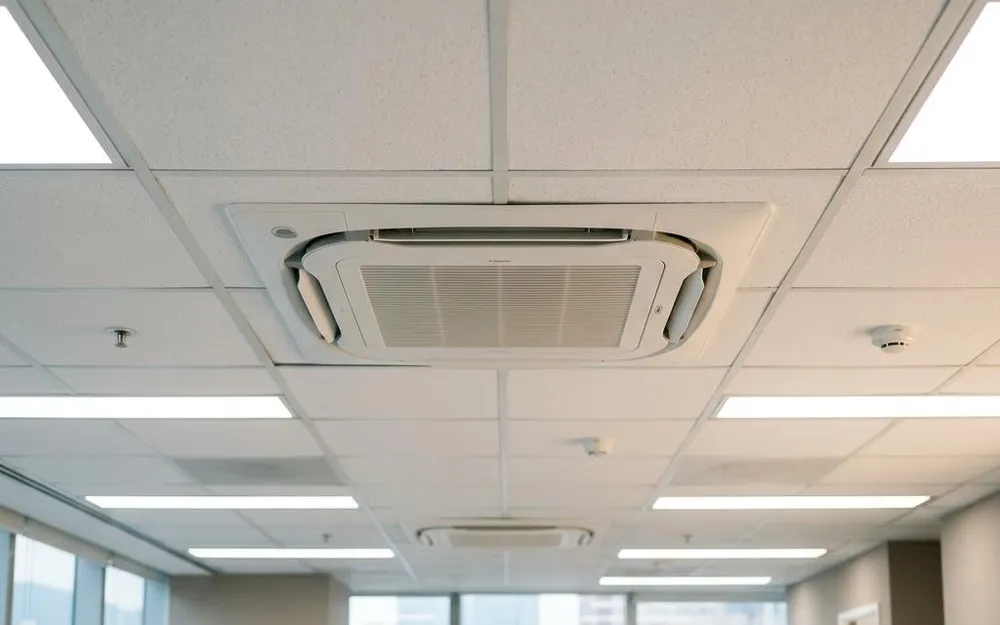
Dual-split split-type air conditioning: matching, simultaneous use and installation checks
One outdoor unit connected to two indoor units still requires checking the original matching, capacity allocation and installation. It does not guarantee lower electricity use or that another unit can be added freely later.
How to deal with air conditioner water leakage
This article explains common causes of air conditioner water leakage and provides initial handling advice.
Prevention and handling of AC faults after heavy rain
List the potential impact of heavy rain on air conditioners and provide fault-prevention advice
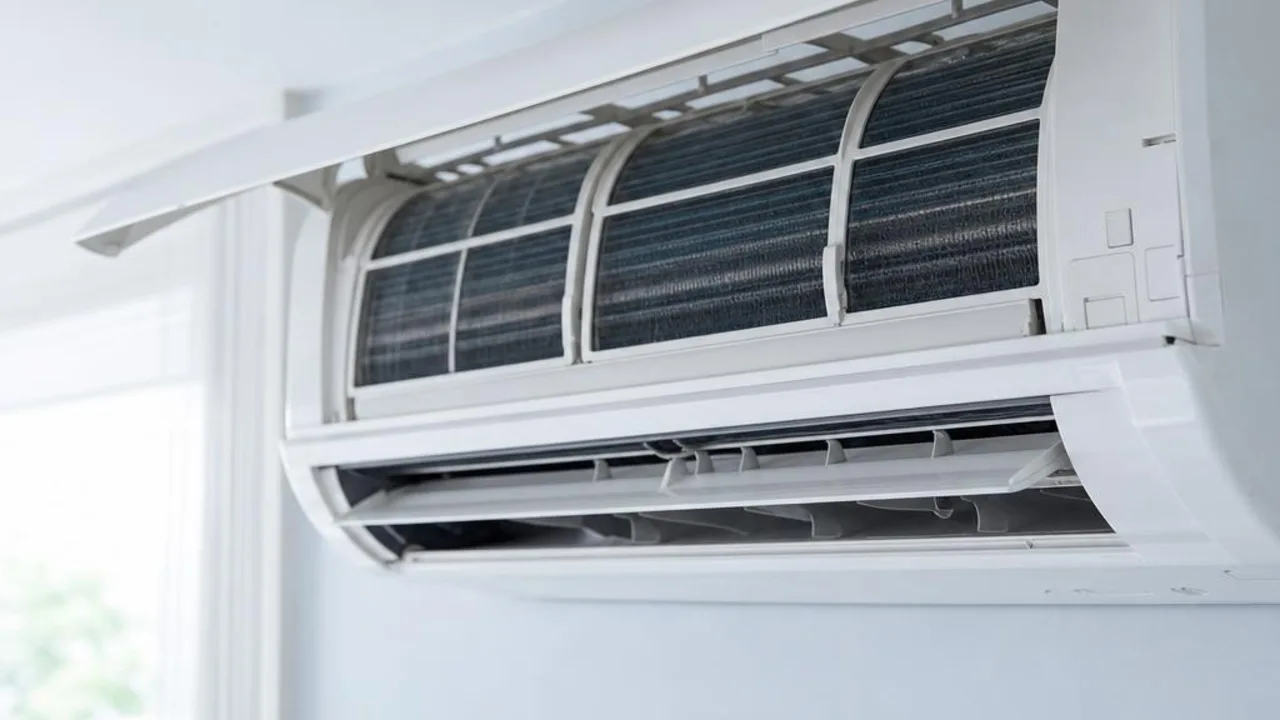
Exhaust fan cleaning: removable parts, power supply and fault boundaries
Before cleaning an exhaust fan, check the model, removable washable cover and installation position. Do not spray water jets or cleaner at the motor, and do not treat cleaning as a repair for faults or a fire guarantee
Poor AC installation placement in a bedroom causes you to wake up cold in the middle of the night
For the issue of cold air blowing directly at you, adjusting the air deflector and using a breathable air-conditioning blanket can help improve the sleep environment.
How to Handle AC Dripping: Stop Use, Record and Inspect
Stop using it first if there is dripping and protect nearby items. Do not adjust the slope, remove pipes or clear blockages yourself. Automatic mode and dehumidifying mode cannot replace a leak inspection.
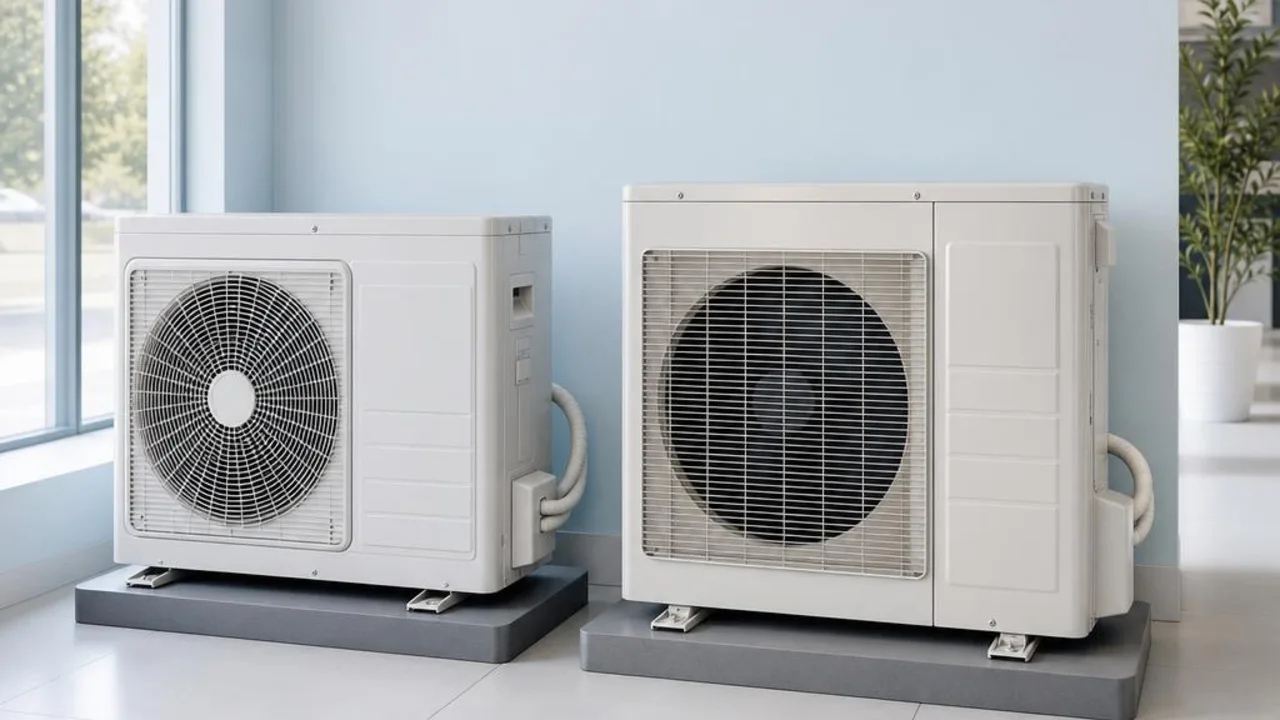
Fixed-speed vs inverter AC: operation, electricity costs and how to choose
Understand compressor operation, temperature control, energy labels, and total cost; do not use a fixed energy-saving percentage or service life to choose a unit for you
Water Accumulation in the AC Base Tray: First Identify the Unit Type, Then Check Drainage and Leak Locations
Water in the base of a window unit does not necessarily mean a fault; distinguish between normal condensation, drain pan overflow, blocked drainage and situations where the unit should be stopped
Drain Pump Faults and Replacement for Air Conditioners: Leak Checks and Quotation Points
Not every air conditioner has a drain pump, and leakage does not necessarily mean the pump is faulty. Understand its function, compatible specifications, and what should be checked after a professional replacement.
Six Causes of AC Dripping: Blockages, Cracks, Installation and Condensation
Separate the six possible causes into drain pan, drain pipe, unit position, drain pump, icing, and insulation problems; do not assume refrigerant is needed just because water is dripping
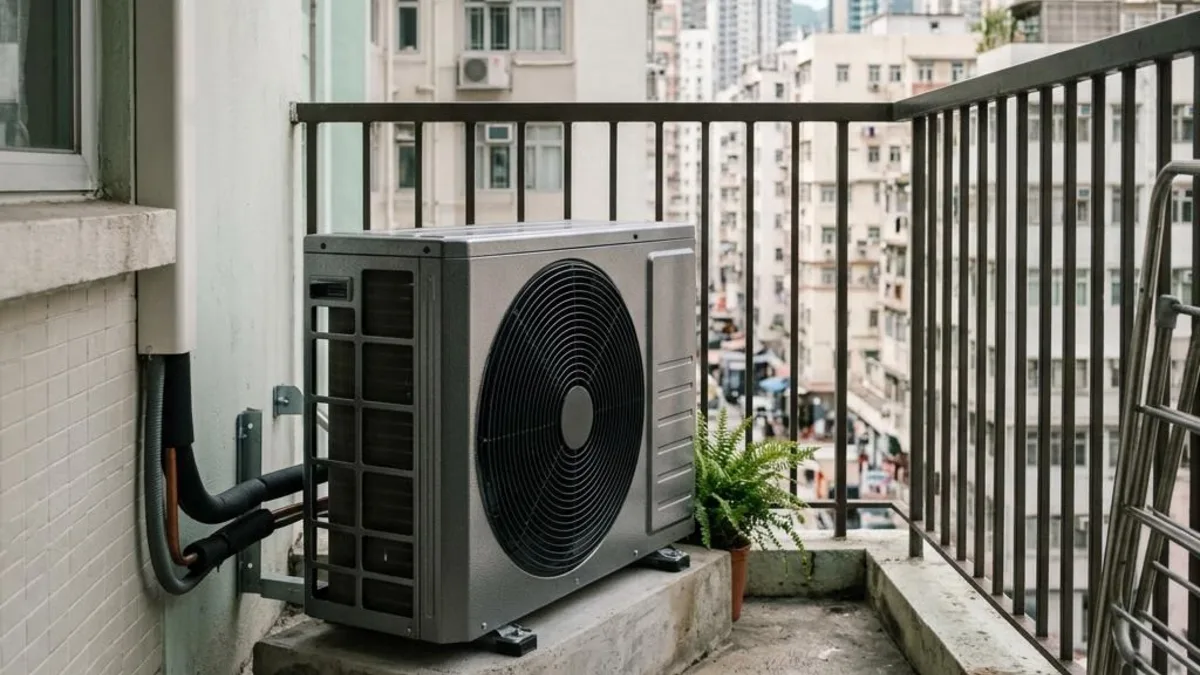
Loud outdoor unit noise: dust, vibration, and component faults should be checked separately
Dirt may affect heat dissipation or the fan, but it cannot be assumed that cleaning will solve more than half of all noise issues; first record the sound and any shutdown warning signs.