
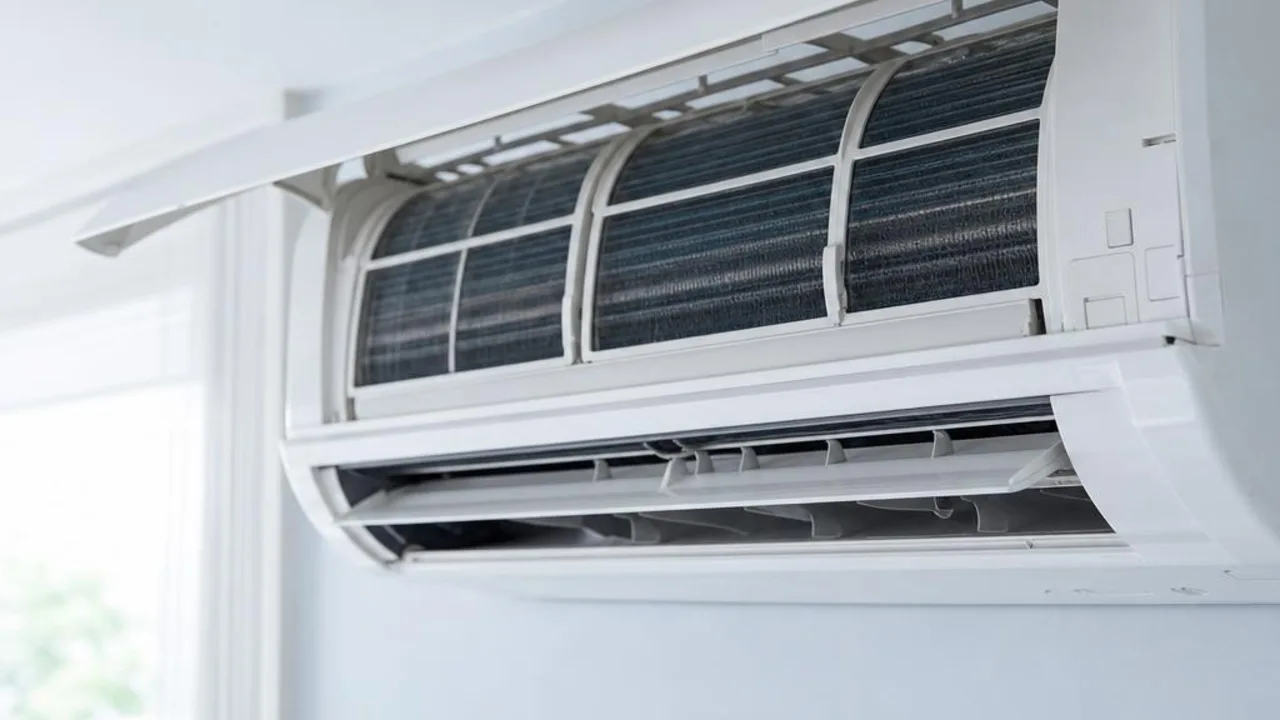
Water Accumulation in the AC Base Tray: First Identify the Unit Type, Then Check Drainage and Leak Locations
Contents
“Water in the base tray” and “indoor leakage” are not the same issue. First identify whether it is a window unit, the indoor drip tray of a split unit, or the outdoor unit, then record where the water is pooling and dripping. Do not assume every case is a blocked drainpipe.
First confirm where the water is appearing.
Condensation is produced during cooling, and the handling method depends on the model. Some window units are designed to use a certain amount of water in the base pan to help heat dissipation; the presence of water does not necessarily mean a hole should be drilled to drain it, and the model’s instructions must be checked.
If the split indoor unit overflows from the drain pan, drips into the room, or has water near electrical parts, stop using it and arrange an inspection. Do not modify the base, plug holes, or add drain accessories yourself.
Poor drainage and drip tray issues
Blocked dirt, a bent drain pipe, abnormal connections or a damaged drain pan can all affect drainage. For units with a condensate pump, the pump and related controls must also be checked; you cannot diagnose a specific part just from dripping water.
If drainage is poor, the blockage location and pipe condition need to be confirmed. Residents are not advised to pour strong cleaning agents into the pipe or force it through with high-pressure water.
Installation location and drainage slope
The installation angle, fixing and drainage route must comply with the manufacturer’s requirements. There is no universal rule that all window units and split-system indoor units must be perfectly level, or that the more tilted the better.
If the unit is tilted, the fixing has come loose, or leaking started only after recent relocation, it should be checked by the installer; do not support, move or adjust the unit yourself.
Dirt buildup, icing and humidity
Dust buildup on the filter or heat-exchange parts may affect airflow, and dripping may appear after icing melts. This is different from simply saying a dirty filter means condensate cannot evaporate; airflow, icing and drainage problems should be distinguished.
Humid weather may increase the amount of condensation, but normal equipment still needs proper drainage arrangements; a dehumidifier cannot replace repairs for blockage, damage or installation issues.
Safety records and handling arrangements
Record the AC model, leak location, time of occurrence, and whether there is icing or an error code. If water has reached electrical parts, or there is a burning smell, abnormal noise or tripping, stop using it and do not touch wet switches.
Cleaning, clearing blockages, replacing the drain pan, and adjusting the installation are different jobs. We will inspect first and then arrange according to the current service scope and quotation. We do not guarantee that one cleaning alone will solve all water leakage issues.
Related reading and services
Reference sources and applicable scope
This article provides a preliminary guide only and does not replace an on-site diagnosis. Original manufacturer functions and operation apply only to the corresponding model; please refer to your own unit's manual. For fixed electrical installations, inspection should be arranged by a registered electrical contractor.
- Daikin original operating, cleaning and troubleshooting Q&A (please check your own model for actual operation)
- Electrical and Mechanical Services Department: safe use of household electrical appliances, disconnect power before cleaning, and stop using if abnormal
- GE Appliances: window-type AC condensate tray, drain plug and design differences across models
Need professional help?
Need to know about AC repair service? First check the service scope and arrangements, then provide the model and site details for enquiry