
AC TIPS & ADVICE
Use and selection Practical AC knowledge
Based on manufacturer information and site conditions, learn how to use the AC, judge faults, maintain it, choose a unit and save energy
Article categories
Showing articles 385–408 of 702 · Page 17 of 30
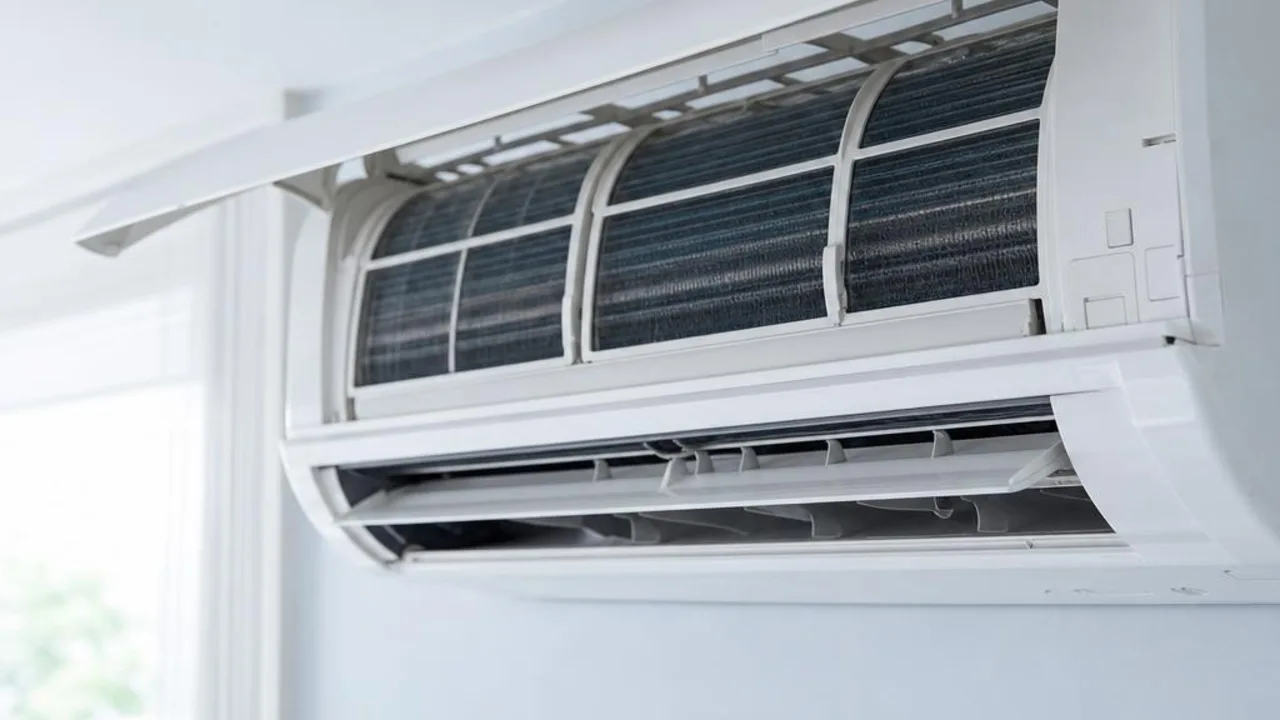
The importance of cleaning AC after heavy rain
Explain why cleaning the AC after humid weather is necessary and the maintenance steps involved

How to solve AC odour after heavy rain
For odours from the air conditioner after heavy rain, we analyse the cause and provide cleaning and maintenance advice
Why does the room still feel sticky after showering and turning on the air conditioner?
Scale buildup inside the air conditioner can affect dehumidification performance and leave the room feeling damp and sticky.
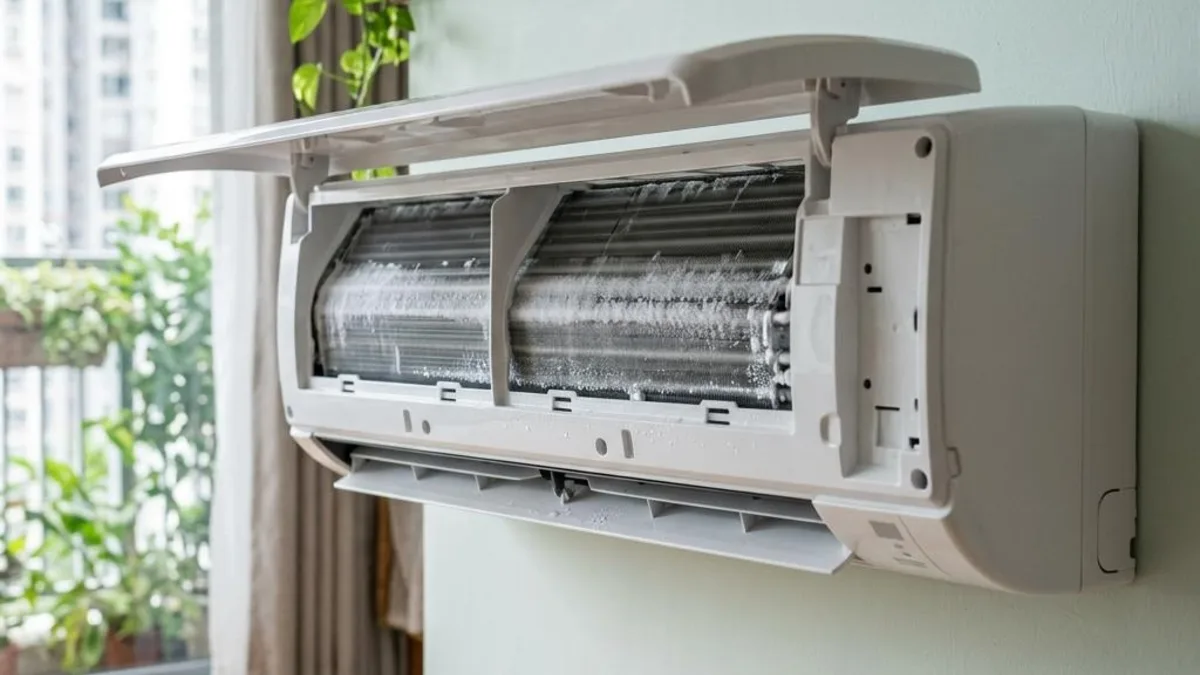
What to check first when an air conditioner freezes: information and questions for booking an inspection
Record the location of cooling-related icing, the settings, and when it appeared, so service staff can distinguish dirt buildup from a fault; do not use the temperature setting alone to determine the cause or specify refrigerant replenishment.
Air conditioner maintenance: the importance of regular cleaning
Good air conditioning maintenance habits help keep the equipment clean and operating normally
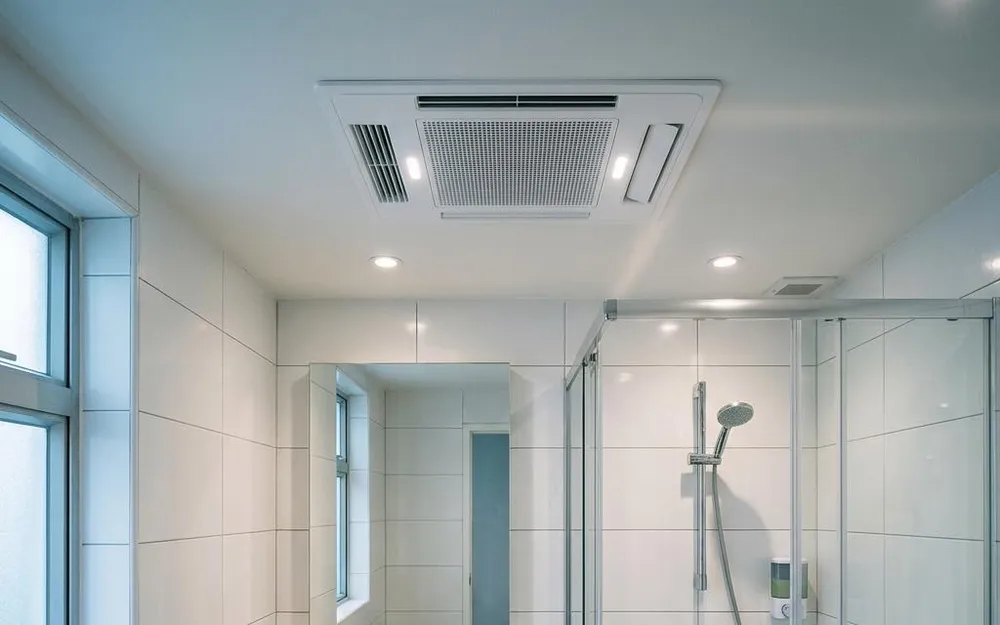
Bathroom heater cleaning and selection: ceiling-mounted, window-mounted and maintenance points
Distinguish bathroom heater model, installation type and actual function, and check the removable filter and access points; internal cleaning, electrical faults and equipment replacement are handled separately.
Clean the Fan | Routine Maintenance and Cleaning
Regular fan cleaning removes dust and ensures the fan blades operate smoothly.

Using the air conditioner in humid weather: effective use and maintenance
An introduction to ways to use the AC for adjustment during humid seasons and daily maintenance tips
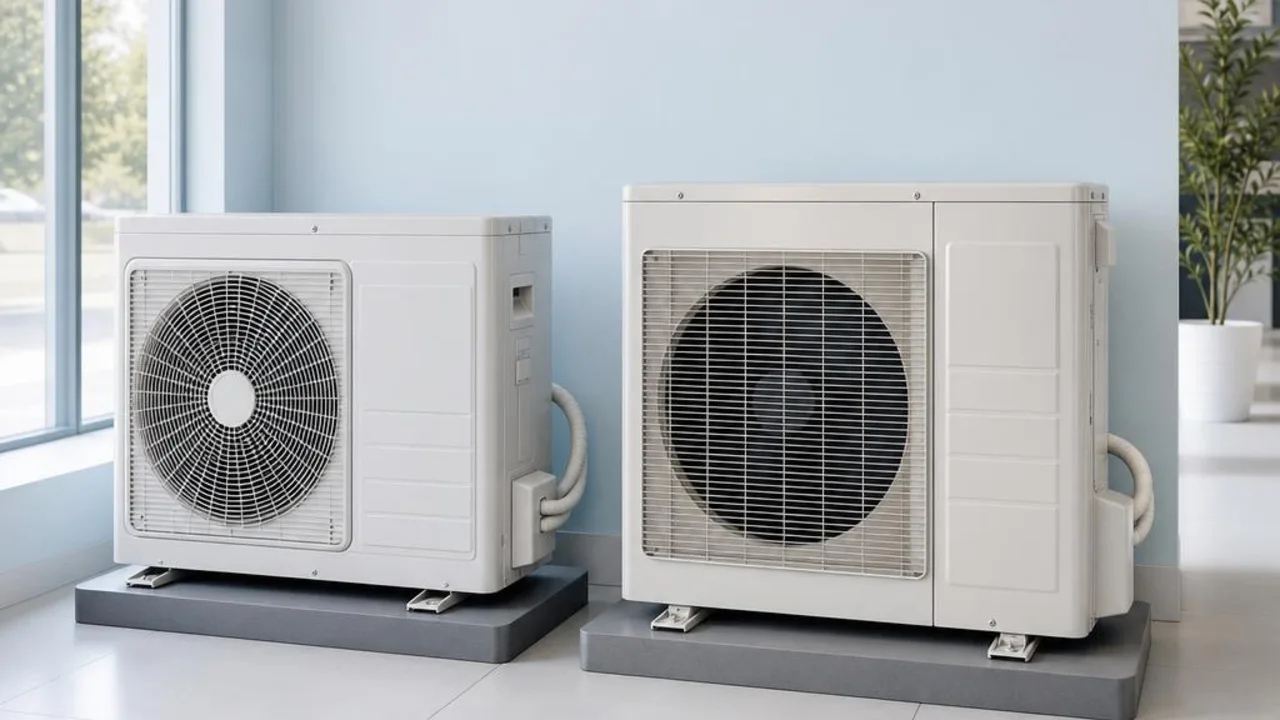
Setting an inverter window air conditioner to 26 degrees: how to choose fan speed and usage time
26°C is not necessarily the most energy-saving or suitable setting for everyone; fan speed, sleep mode and auto mode should be chosen according to the model, and compressor power ratios or away/open-door thresholds should not be applied.
Causes of noise in window-type air conditioners and anti-vibration soundproofing measures
Discuss the causes of noise in window-type air conditioners, and provide related vibration-damping and soundproofing improvement advice
Why it is necessary to clean window-type AC units after a typhoon
Explain why the AC should be cleaned after a typhoon, and provide basic inspection and cleaning steps
Is fan mode on an inverter AC really cheaper than cooling mode?
An analysis of how inverter air conditioner fan mode works, the truth about power consumption, and air hygiene precautions
Inverter and non-inverter air conditioners: control method, model and total cost
Inverter and split are not mutually exclusive categories; compare compressor control, energy labels, noise and the total quote. No promise is made that any inverter unit is cheaper or quieter.
Inverter split AC: an energy-saving, efficient and comfortable cooling solution
An overview of the structure and technical principles of inverter split-type air conditioners, as well as factors to consider when choosing and installing them
Buying an inverter window unit: check size, support and energy information
When choosing an inverter window air conditioner, do not look only at energy-saving claims. You also need to check the unit depth, weight, opening size and support. Special constant-temperature locations cannot simply follow a standard household setup
Dry skin in an air-conditioned room: environmental notes and maintenance boundaries
Dry skin should not be diagnosed solely as caused by air conditioning or dust buildup; record the settings, airflow and environment separately. If symptoms persist, seek medical advice, and do not treat AC cleaning as skin care treatment.

Ducted AC assessment: ducts, return air and access points
Ducted ACs should be assessed together with load, supply and return air, and ceiling access points; there is no guarantee that every corner will be equally cool, that it suits every home, or that it will definitely be quieter
Typhoon approaching: Should we turn on the air conditioning when the 3 No. signal is hoisted?
Analyse the safety and environmental factors that need to be assessed when using an air conditioner during a typhoon
Hong Kong Home AC Selection
Provide the key considerations for choosing a residential air conditioner in Hong Kong, and professional maintenance advice.
Guide to using air conditioning during a Yellow Rainstorm Warning
Advice on using the air conditioner under a Yellow Rainstorm Warning
Guide to using air conditioning during a Black Rainstorm Warning
Discuss the factors to consider when deciding whether to turn on the air conditioner under a Black Rainstorm Warning
Power Off Before Cleaning the AC: The Difference Between Remote Shutdown and Safe Isolation
Turning it off does not mean it is fully disconnected from power; distinguish between dust filters you can clean yourself, professional dismantling and washing, and when to stop using it if there is water, a burning smell, or breaker trips
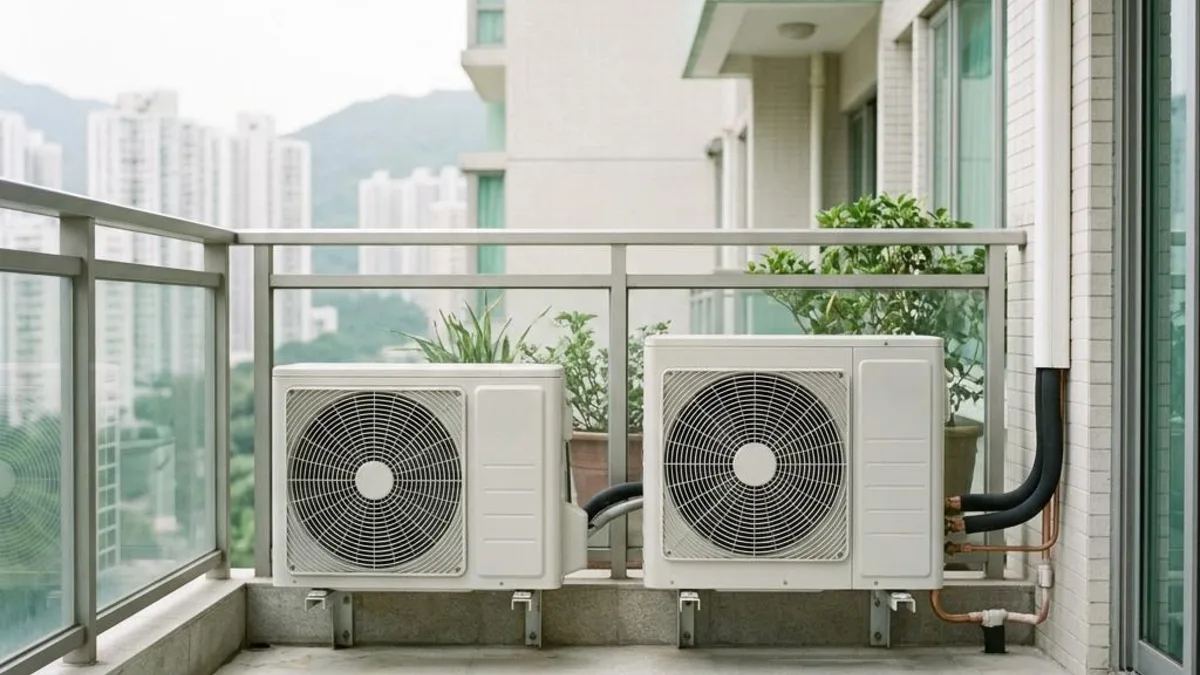
Oil stains on AC piping: whether it is refrigerant leakage and what to know before inspection
Oil stains can be a clue for inspection, but they cannot confirm a leak by appearance alone; please distinguish leak testing, repair, refrigerant top-up and the current quotation.
Pest prevention for air conditioners: what to watch for in cleaning, wall openings, and ventilation locations
Distinguish pest prevention in the environment from AC repair; do not spray chemicals into the unit, block the drain, or add mesh yourself and obstruct the air inlet and outlet.