
AC TIPS & ADVICE
Use and selection Practical AC knowledge
Based on manufacturer information and site conditions, learn how to use the AC, judge faults, maintain it, choose a unit and save energy
Article categories
Showing articles 409–432 of 702 · Page 18 of 30
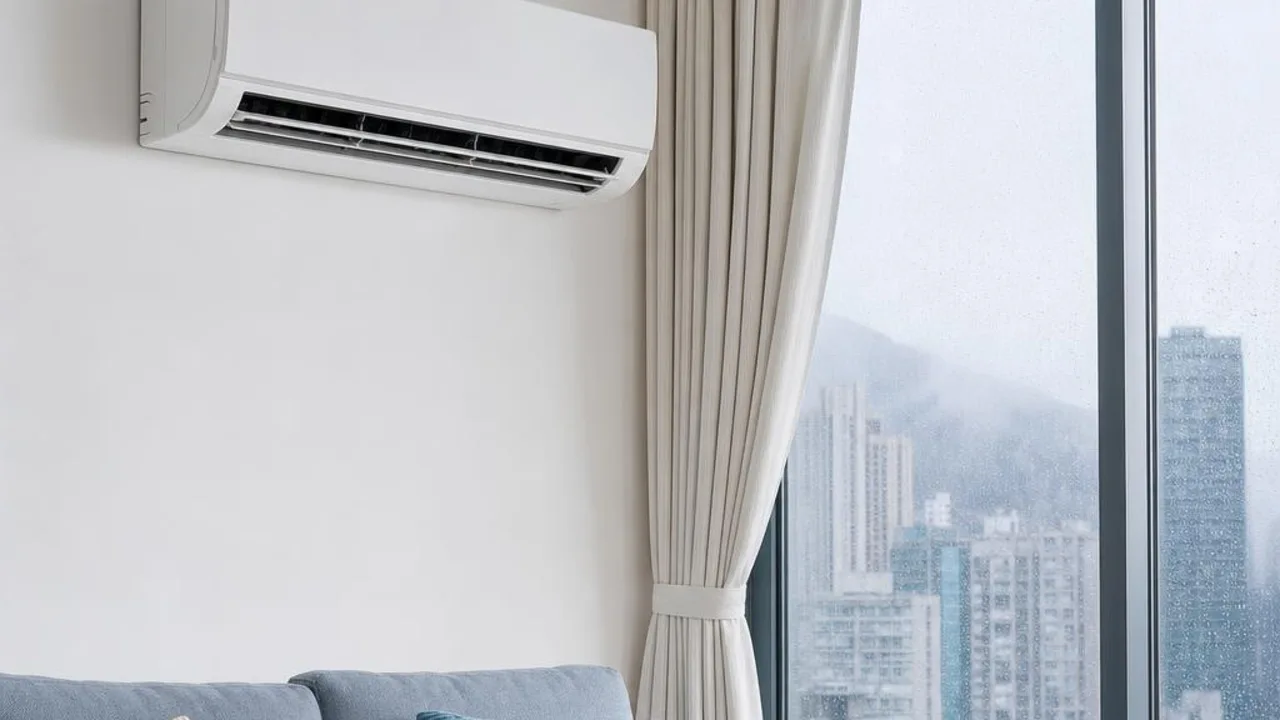
Can an air conditioner be used to dry clothes? Dehumidifier mode, placement and power use limits
Air conditioner dehumidification may help with drying clothes, but it is not the same as a dedicated clothes dryer; judge based on the model, clothing care labels and the environment, and there is no guarantee of lower power use or no shrinkage
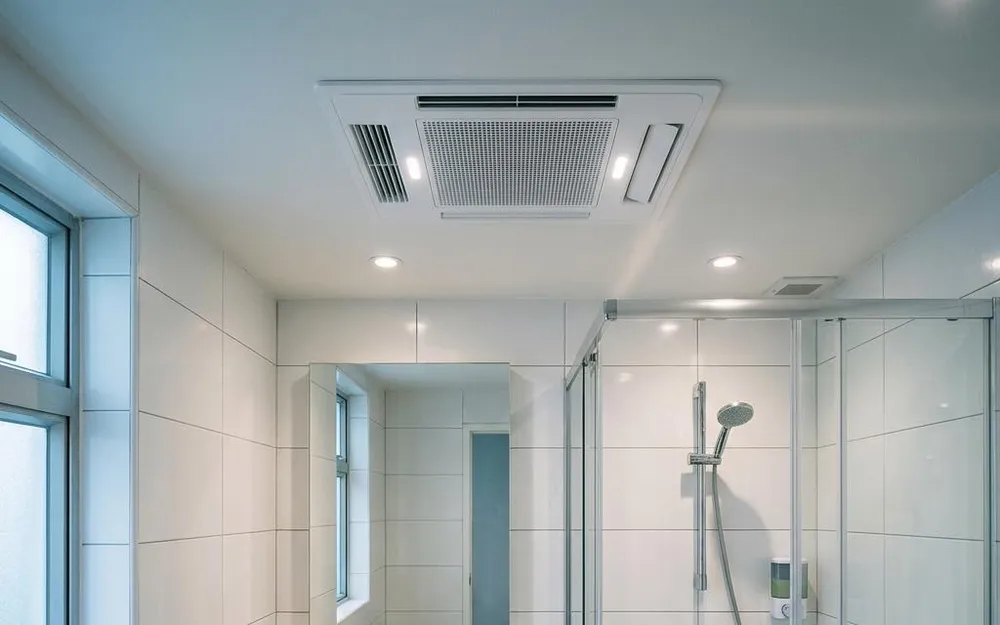
Bathroom heater has a smell: shutdown judgement before cleaning and model limitations
Distinguish dust, dampness and electrical odours; do not spray water directly just because the unit body is water-resistant. Ceiling-mounted and window-type units are arranged according to their respective procedures.

Ceiling-mounted AC comparison: airflow, ceiling space and maintenance considerations
Compare four-way cassette, ceiling-suspended and concealed ducted air delivery options, and choose based on load, access panel, drainage and total project cost, not just brand ranking
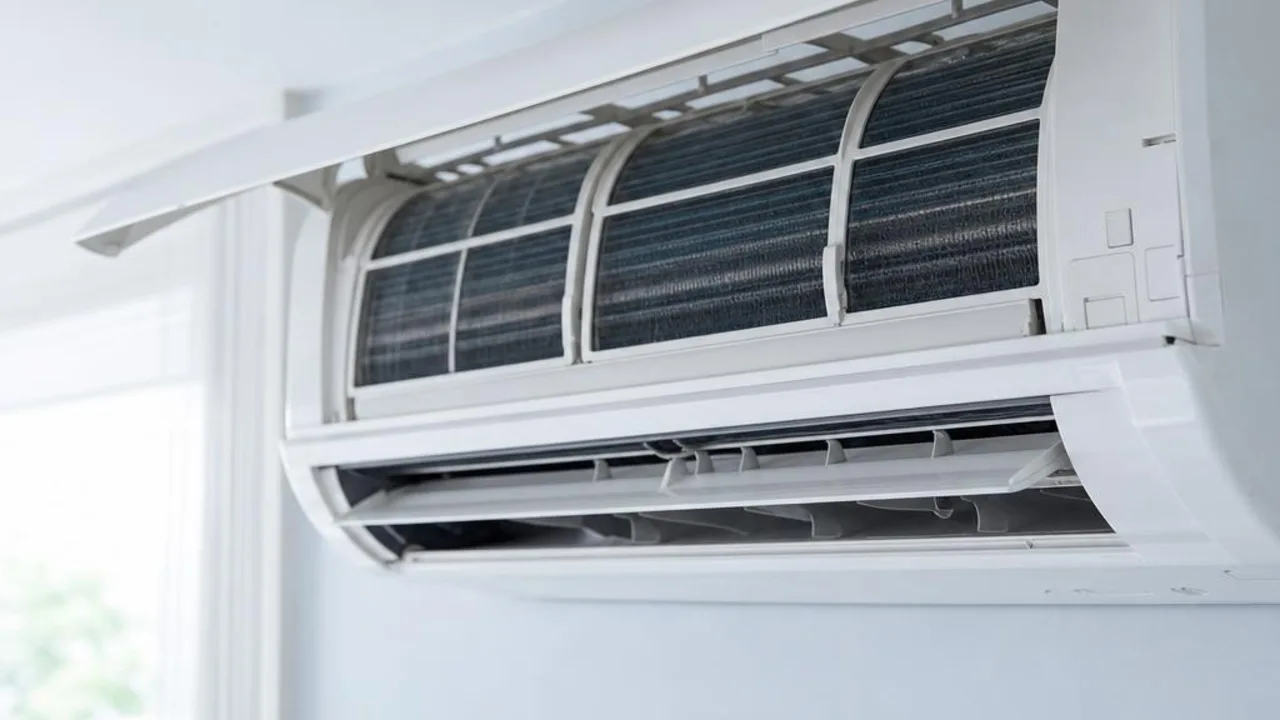
AC Cleaner Acidity and Alkalinity: Check pH, Materials and Rinsing Requirements Together
Acidic, alkaline or neutral alone cannot prove suitability for ACs; first check the material, coating, original manufacturer guidelines and product label
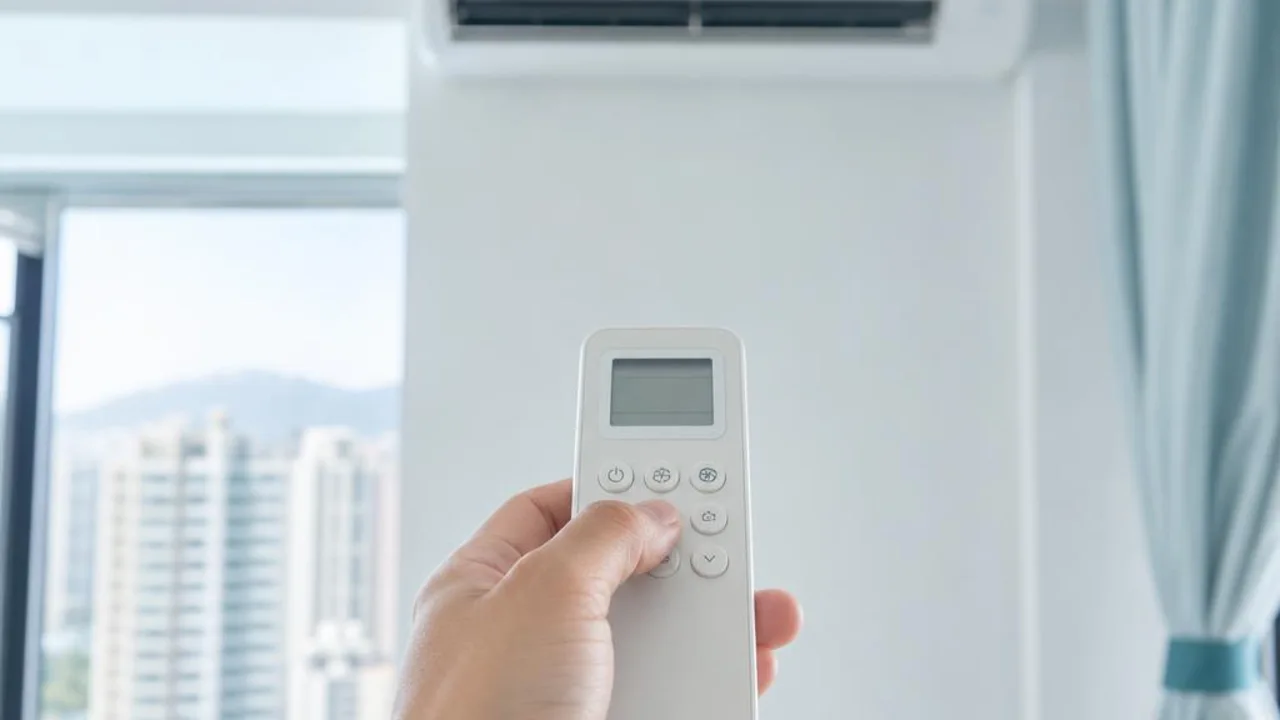
Can’t sleep comfortably with a thick blanket at 16°C air conditioning? Adjust the temperature, bedding and airflow first.
If it feels too cold or too stuffy at night, adjust the AC settings, airflow direction and bedding step by step first. Do not diagnose AC problems solely from waking up with a headache, and no specific temperature is guaranteed to improve deep sleep.
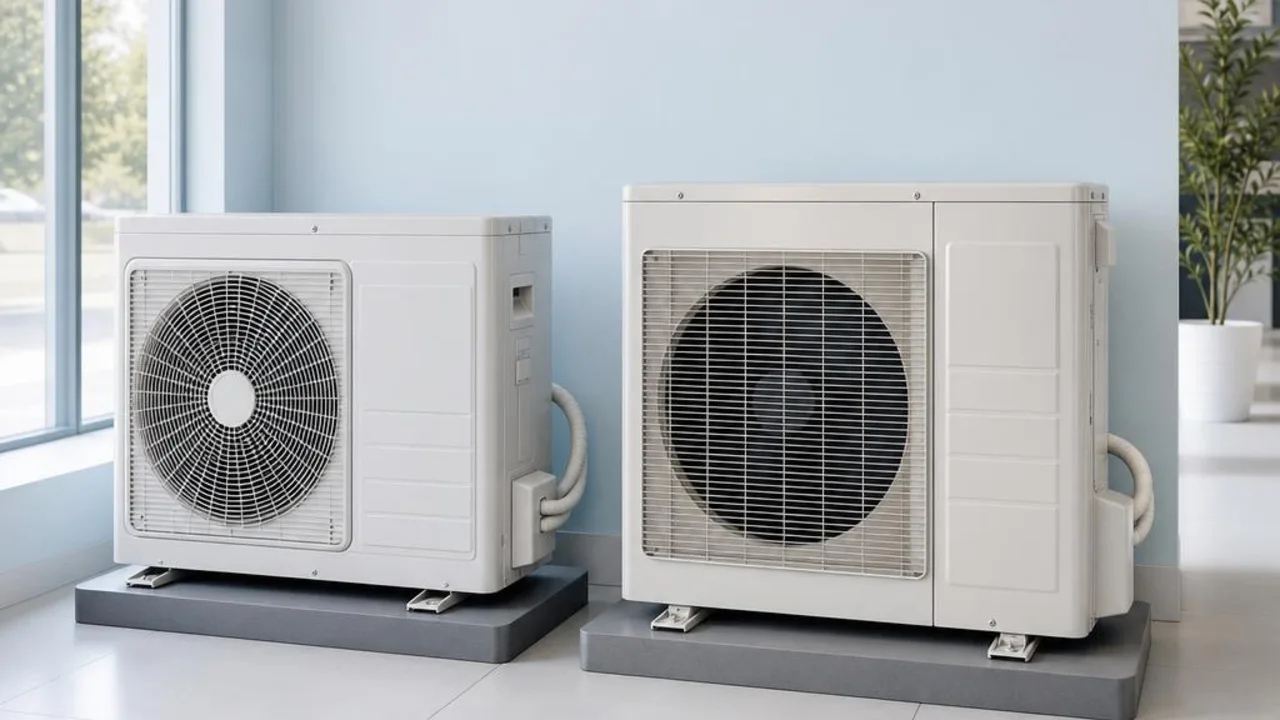
How to read an AC test report? Year, model, CSPF and energy label
When reading AC reviews, first check the report year, test model, and conditions. Do not treat old brand rankings as rankings for current models; compare them together with Hong Kong energy label data
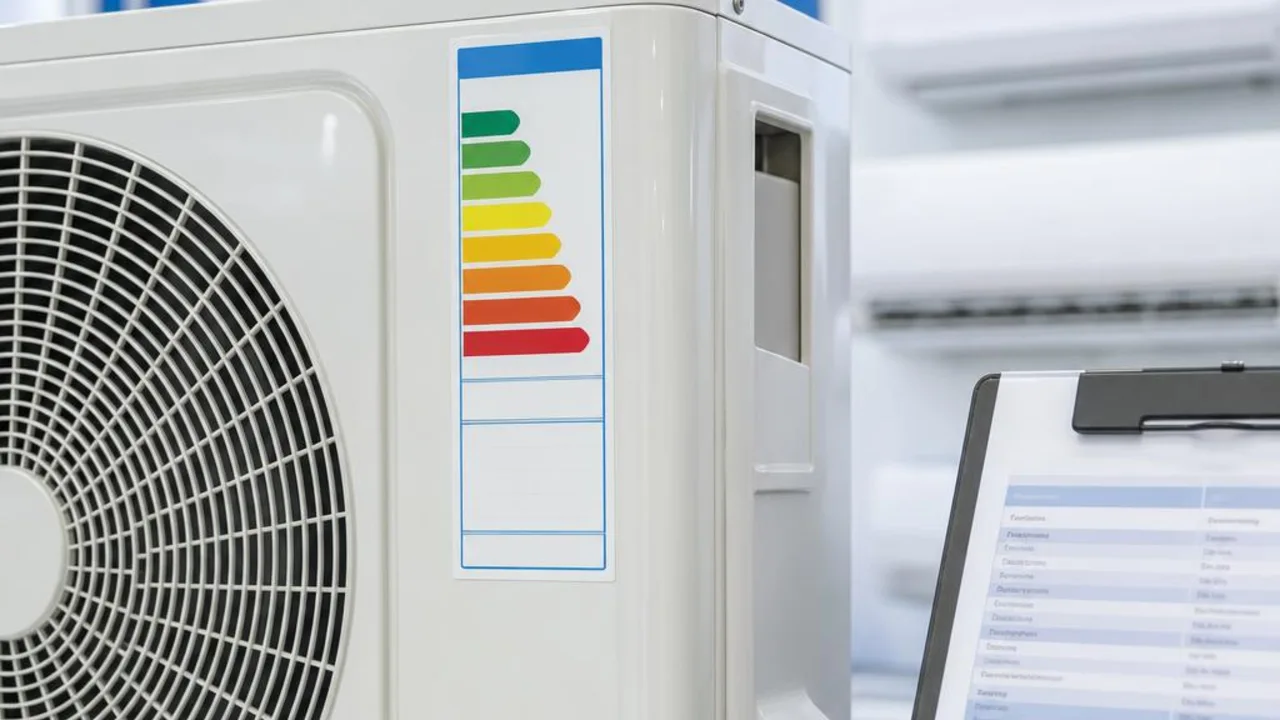
How far can DIY AC maintenance go? Filter cleaning and the line where you should stop
Home DIY maintenance is limited to the filter and other parts allowed by the manual and safely accessible; distinguish between cleaning the dust filter and internal cleaning, and do not dismantle the fan wheel, wash the outdoor unit or spray chemicals
How should you choose DIY AC cleaning tools? Filter supplies and parts you should not clean yourself
First choose filter care products according to the model manual; do not use screwdrivers, hoses or chemicals to dismantle and wash the inside of the unit yourself. Cleaning, unblocking and repair must be handled separately
Can a fan be cleaned with a Kärcher steam cleaner? Blades, motor and cleaning boundaries
For fan cleaning, first separate removable blades from electrical components; a Kärcher brand steam cleaner does not automatically mean it is suitable. Check the model manual, and do not direct steam at the motor or switch
Cooker cleaning: hob surface, igniter components and steam use boundaries
Gas stoves and induction cookers have different cleaning requirements; let them cool first and handle removable parts according to the manual. Do not spray steam onto the igniter, switches or control panel.
Dryer cleaning: lint filters, air ducts, and steam risks
For a dryer, first clean the lint filter and accessible parts according to the manual; do not spray steam at sensors, the control panel, or inside the machine. If there is abnormal overheating, stop using it first
AC Cleaning: A Comparison of Professional Service and DIY
This article compares the advantages and disadvantages of professional air conditioner cleaning services and DIY cleaning

WFH air conditioning and indoor environment: ventilation, cleanliness and what to do when discomfort occurs
When working from home, distinguish between air recirculation from the AC and ventilation, and check the filter and airflow direction; headaches or dry eyes cannot be diagnosed from dust in the AC alone, and cleaning is not a medical treatment
[AC Maintenance Guide] How dust buildup affects performance and how maintenance compares
Revise the title and content, remove exaggerated power consumption figures, medical advice and specific prices, and explain the importance of maintenance in technical terms
[AC Dust Cover] How should you cover an AC when the weather turns cool? A dry, mould-prevention guide
For the needs of seasonal shutdown, this explains in detail how to choose and use AC cleaning, air-drying, and dust covers correctly
[AC Mould Prevention Guide] Do AC units need more frequent maintenance in autumn than in summer?
This article explores mould growth inside air conditioners caused by Hong Kong's high autumn humidity, and provides professional cleaning and maintenance advice.
[Home AC Temperature Guide] Older people feel cold, but younger people feel hot
Discuss how proper AC adjustment and professional cleaning can help resolve differences in perceived temperature among family members
[Practical Guide] Should you choose an inverter for a small room? Myths about window-unit horsepower and inverter models
Analyse capacity selection and inverter operating considerations when installing an air conditioner in a small room
[Energy-Saving Tip] Do you need to unplug the AC if it will not be used for a long time?
Analyse the impact of unplugging an air conditioner when it is not in use in autumn on energy saving and electrical safety
[Energy-Saving Tips] Is low-fan mode on the AC more energy-efficient in autumn? Debunking low-load loss myths
Analyse the operating characteristics of using fan mode on an air conditioner in autumn, and its effect on cooling performance
[Deposit Protection] What standards do landlords use to inspect the AC when tenants move out?
This article explains common inspection standards for air conditioners when moving out of rented premises and offers advice to help prevent deposit deductions.
Before stopping AC use in winter: check the unit condition first, then arrange maintenance
Not every AC needs a deep clean in winter; filter cleaning, dirt buildup, odour and shutdown arrangements should be assessed separately. Cleaning does not guarantee prevention of all mould or corrosion.
AC care after renovation: dust, filters and pre-start inspection
Inspect renovation dust and the equipment condition before deciding whether internal cleaning is needed; do not promise indoor air compliance based only on the move-in date
Dizzy and tired in the morning: tell body symptoms apart from ventilation and dust buildup in the AC
Dizziness and fatigue cannot be directly diagnosed as dust buildup in the AC or lack of oxygen; organize the safety environment, observe ventilation limits and maintain the equipment, and seek medical attention if discomfort continues