
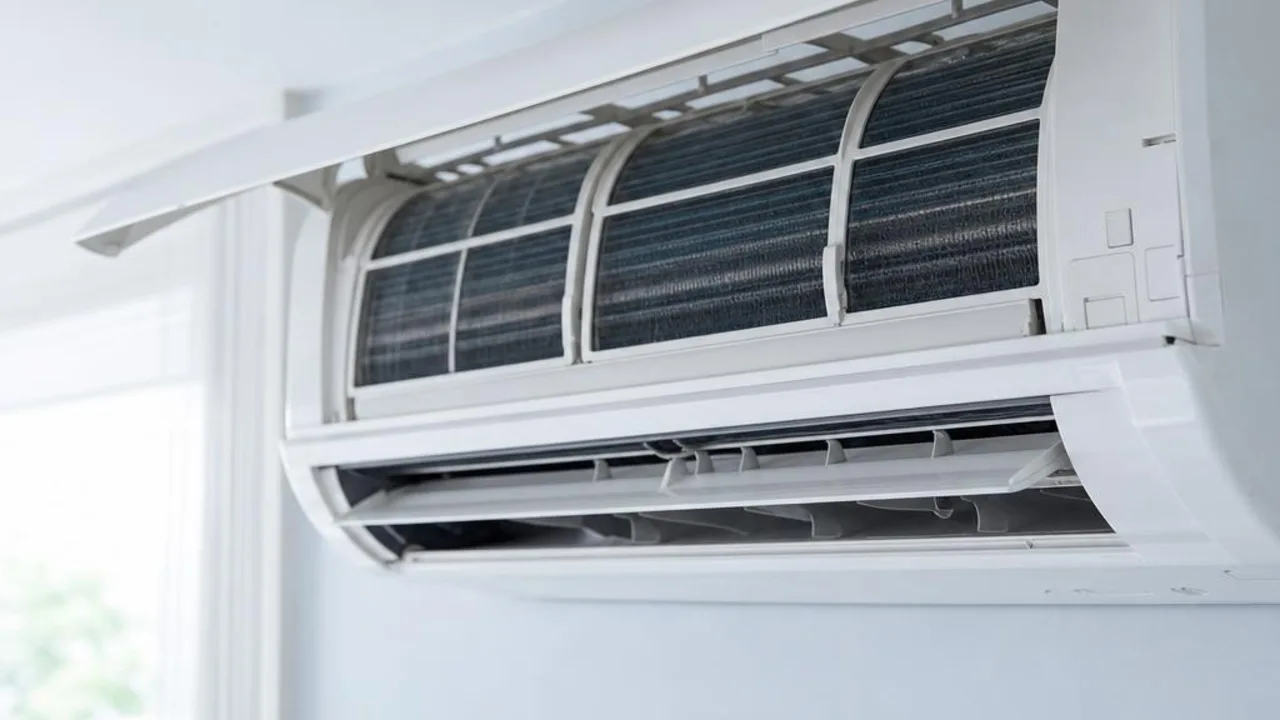
How should you choose DIY AC cleaning tools? Filter supplies and parts you should not clean yourself
Contents
Choose cleaning supplies according to the model manual first; having all the tools does not mean you can DIY clean the entire unit. Household maintenance is limited to the parts allowed by the manual and safe to touch, such as the filter; internal parts, the motor, heat exchange fins and the drain pipe should be assessed by suitable personnel.
Keep routine dusting separate from professional cleaning to avoid damaging parts through casing removal, spraying chemicals or rinsing with water. Even cleaning products labelled "for air conditioners" still need to be checked for material compatibility, usage method and limitations; they cannot be applied directly to all models.
First confirm safety and the removable scope.
Stop the unit and cut power according to the manual. If you need to disconnect wiring, remove supports, or work overhead by hand, stop DIY. If the unit has been wet or there is tripping or a burning smell, stop using it first; do not use cleaning as a substitute for inspection.
Which products are suitable for routine filter maintenance?
Decide whether to use a soft cloth, dust-removal tools or clean water according to the manual. Avoid hard brushes, corrosive products and unverified liquids; screwdrivers, wrenches, hoses and straws are not part of this household maintenance list.
Filter cleaning follows the model manual
First confirm the filter can be removed by the user without dismantling the casing or fixed parts. Some filter media are not washable or require replacement; if unsure, check the manual first or ask the manufacturer, and do not force it out.
Treat washable filters according to the instructions; do not use a fixed 'soak for 10 minutes' rule or a standard chemical formula. Do not mix detergents, and do not spray cleaning solution onto the heat exchanger behind the filter.
Removable washable parts should be taken off and handled according to the manual; do not hose down the whole unit, casing seams or electrical control areas. Cleaning the filter does not clear the internal drain pipe.
Dry and restore the filter according to the manual. If reassembly is difficult, clips are damaged, or electrical parts are damp, stop using it and arrange an inspection. Wiping the surface dry is not enough to confirm that it is safe to power on.
When should I hand it over to cleaning or repair staff?
Dust build-up on the fan wheel and heat exchanger, indoor odour, drainage issues, or outdoor unit work require protection, waste-water handling, and safety arrangements according to the model and site conditions. Residents only need to provide the symptoms and photos, and should not dismantle the unit, pour water into it, or try chemical products themselves.
When should maintenance be done again?
Arrange filter maintenance according to the manual, usage time, and dust build-up; internal cleaning should be assessed by actual need. Not every air conditioner needs the same number of full cleanings or repairs each year.
Before buying tools, it is usually more important to identify which parts can be maintained by yourself than to copy a full disassembly-and-cleaning checklist. If there is already a fault, first check the cause; do not treat cleaning as a guarantee of energy saving or repair.
Find professional help
Enquire about ServicePlease state the model, number of units, location, and any existing dripping or lack of cooling when booking, so we can confirm the cleaning, outdoor unit, and repair scope. Do not remove the casing or fixing parts just because a service has been booked.
Related reading and services


Need professional help?
Need to know about Residential air conditioning service? First check the service scope and arrangements, then provide the model and site details for enquiry