
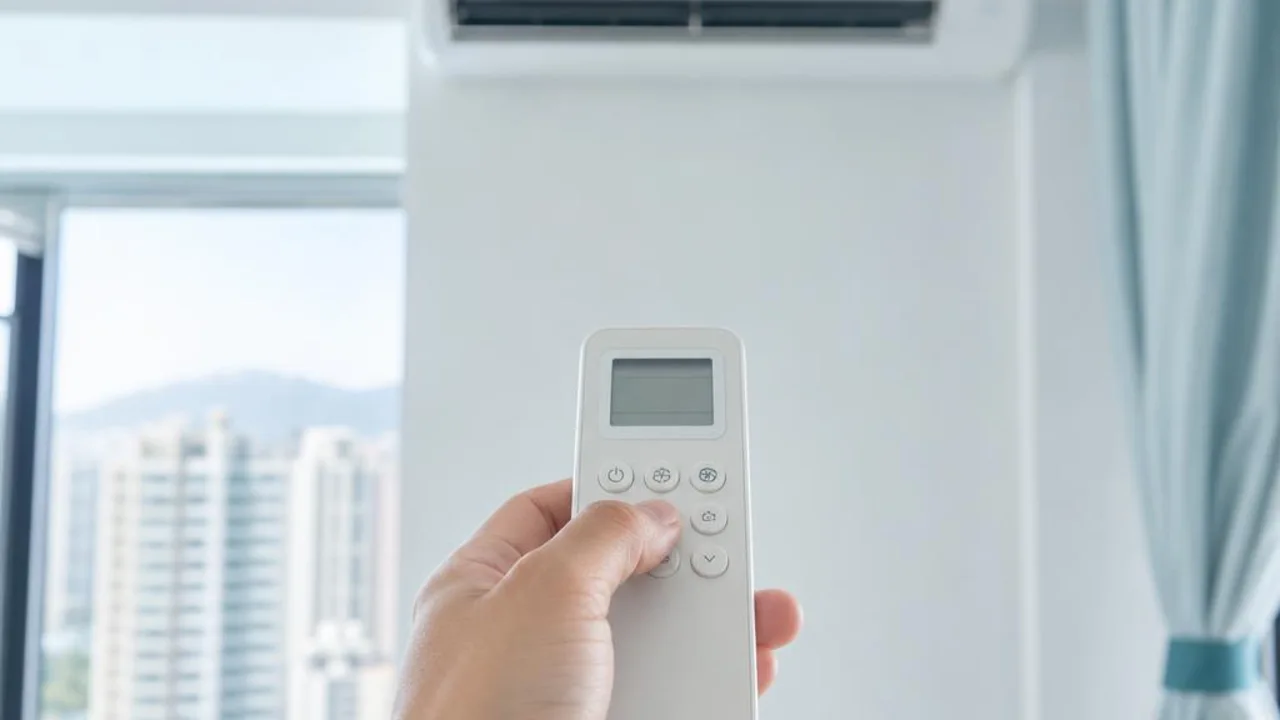
[Energy-Saving Tips] Is low-fan mode on the AC more energy-efficient in autumn? Debunking low-load loss myths
Contents
When the huge electricity bills arrive at the end of summer, many Hong Kong households feel the pinch. As autumn begins, there may still be a cool breeze at night, but daytime can still be oppressively hot. Running the AC at full speed risks a sharp rise in electricity costs, while not turning it on feels stifling. There is a rumour online that using the AC in fan mode in autumn can save the most electricity. Is this really sound advice, or an invisible trap that puts extra load on the AC? Today, let's have the experts explain the real truth about low-load operation!
Why do so many people use low fan mode on the AC in autumn? The psychology behind low-speed operation
Autumn weather in Hong Kong can change from day to day, with indoor temperatures slightly warm but not hot enough to turn the air conditioner up high. Many people save electricity by setting the fan speed to the lowest gentle-breeze mode or quiet mode. Intuitively, a slower fan seems to use less power, but this is often one of the most common energy-saving misconceptions. When hot air outside seeps indoors, the gentle-breeze mode does not provide enough airflow to quickly remove heat, so the room cools very slowly. Inverter air conditioners, in order to reach the set temperature, have to keep the compressor running at a specific frequency for a long time, and may therefore fail to save energy. Understanding the real operating principle helps avoid trading comfort for an unexpectedly high electricity bill.
Does fan mode really save electricity, or does it disrupt inverter operation? The truth about power use under low-load operation
To understand whether the breeze mode really saves electricity, you need to know how modern inverter air conditioners work. An inverter air conditioner automatically adjusts compressor speed to maintain a constant temperature. When you manually lock the fan speed to breeze mode, the airflow cannot effectively carry away heat, so the room cools down more slowly and the inverter compressor may think the space is not cold enough, causing it to stay at high or medium speed for longer. This long period of inefficient tug-of-war not only fails to save electricity effectively, but also increases wear because the compressor works for too long. Blindly relying on manual breeze mode can therefore backfire and make your electricity bill go up instead of down.
How do you choose the most cost-effective AC operating mode? Learn the energy-saving comparison between cooling and fan-only modes
With the changeable temperatures in autumn, how should you use the AC most smartly? We have organised the common settings into the comparison table below:
Operating modes ⚙️
Actual power consumption and operating characteristics ⚡
Best usage scenario 🏠
Auto fan mode 🔄
Automatically adjusts airflow for very low power use once balanced
Autumn everyday all-day use offers the best value
Manual low-fan mode 🍃
Too little airflow slows cooling, and the compressor tends to run for longer
Only suitable for minor adjustment when the temperature drops close to midnight
Independent dehumidification mode 💧
Emphasises humidity reduction, with a higher compressor load
Suitable for occasional humid weather in autumn in Hong Kong
The comparison table shows that automatic fan speed is more scientific than blindly setting low fan, and with the right temperature setting, ideal energy-saving results can be achieved.
Is cleaning the dust filter yourself enough to meet energy-saving needs?
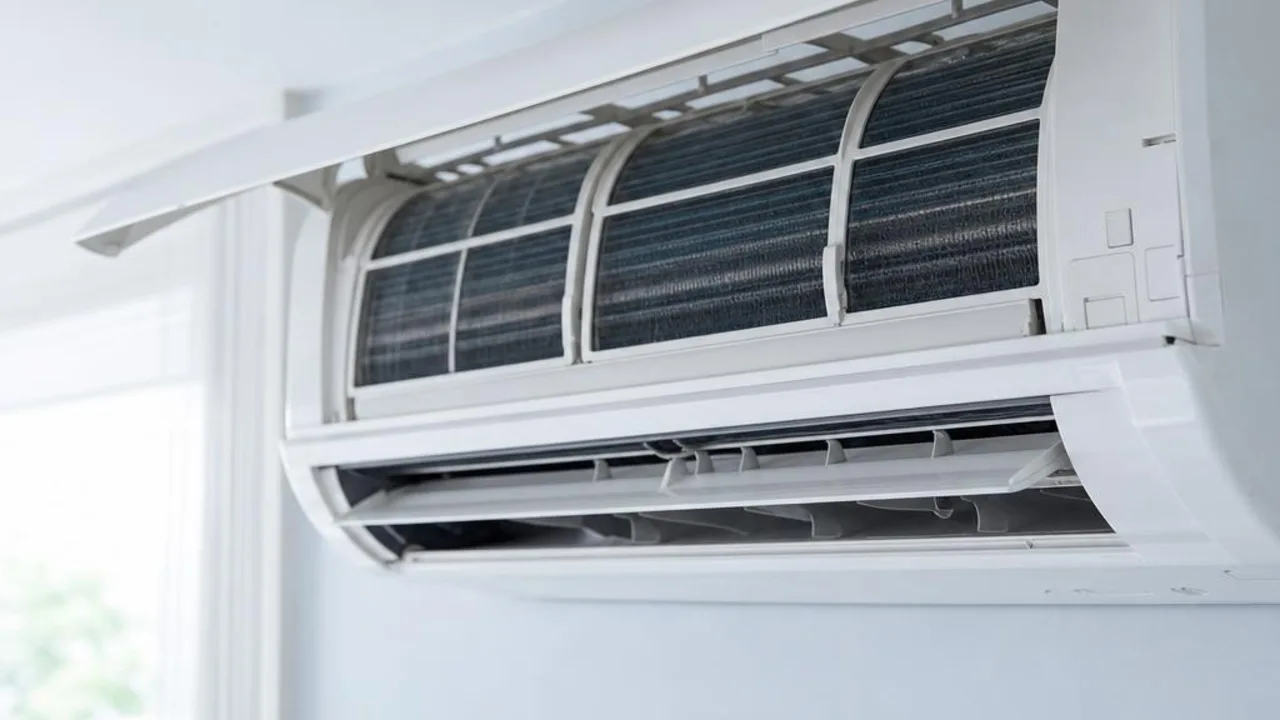
When it comes to saving electricity, many residents regularly clean the filter themselves. Cleaning the filter yourself is indeed a necessary and safe DIY task, and it removes surface dust and keeps air flowing. However, this is only basic maintenance. The real energy-efficiency problem in an air conditioner lies inside the unit, on the evaporator and fan wheel. If thick dust builds up inside, airflow resistance increases sharply and cooling efficiency drops significantly. If you dismantle the unit yourself and clean it carelessly, you may break plastic clips or damage the circuit board. Therefore, the smart way to save electricity is to clearly separate routine filter cleaning from internal deep cleaning that requires professional skills.
Seek help from a professional team
If you have already tried various manual power-saving settings and regularly cleaned the dust filter, but your electricity bill remains high and the air from the unit still smells mouldy, it may be better to leave this important task of improving air-conditioning performance to our professional AC cleaning team. We have years of local Hong Kong experience in deep cleaning air conditioners and understand the energy-use pain points of split units and window units in different districts. Using safe and efficient professional high-pressure cleaning equipment, we thoroughly clean the internal evaporator, blower wheel and drainage system to remove dirt and significantly improve cooling efficiency for real power saving. If you want a practical solution to reduce your household electricity expenses, our professional team can help solve your air-conditioning efficiency issues.
Frequently asked questions
Q1: On cool autumn nights, is using Fan mode more energy-efficient than turning on the AC?
A1: If the outdoor temperature drops below 23 degrees and ventilation is good, running fan-only mode does use no electricity. But if the room feels stuffy, fan-only mode alone cannot cool it down and will affect sleep quality.
Q2: Is setting the air conditioner to 26 degrees with a circulation fan the most energy-saving combination?
A2: Yes. Using a circulation fan together with the AC can speed up air circulation, helping cool air spread evenly more quickly, so the AC does not need to run at full speed for long. This is widely recognised as one of the most cost-effective methods.
Q3: Why does cleaning the dust filter not seem to improve AC electricity bills or cooling performance much?
A3: Because the dust filter only blocks larger dust particles, if the evaporator and fan wheel inside the unit are clogged with dirt, heat exchange efficiency is still seriously affected and professional deep cleaning is needed to solve the problem.
Related reading and services
Need professional help?
Need to know about Residential air conditioning service? First check the service scope and arrangements, then provide the model and site details for enquiry