

Pest prevention for air conditioners: what to watch for in cleaning, wall openings, and ventilation locations
Contents
Seeing insects near the air conditioner does not mean they have definitely invaded the wiring or caused a fault. First deal with indoor cleaning, food residue, standing water, and building entry points. If the issue involves the inside of the unit, openings in the exterior wall, or high-up locations, arrange for suitable personnel to inspect it.
First distinguish between an environmental issue and an equipment issue
From a safe position, note where and when the insects appear, and whether there are any unusual noises or faults in the unit. If they only appear indoors or by the window, also check the screen, door gap and surrounding environment; do not assume the AC unit is the source.
An old saying that fat and protein inside the wiring or base board are common reasons for attracting insects cannot be used as a diagnosis for all equipment.
Keep Cleaning and Drainage Clear
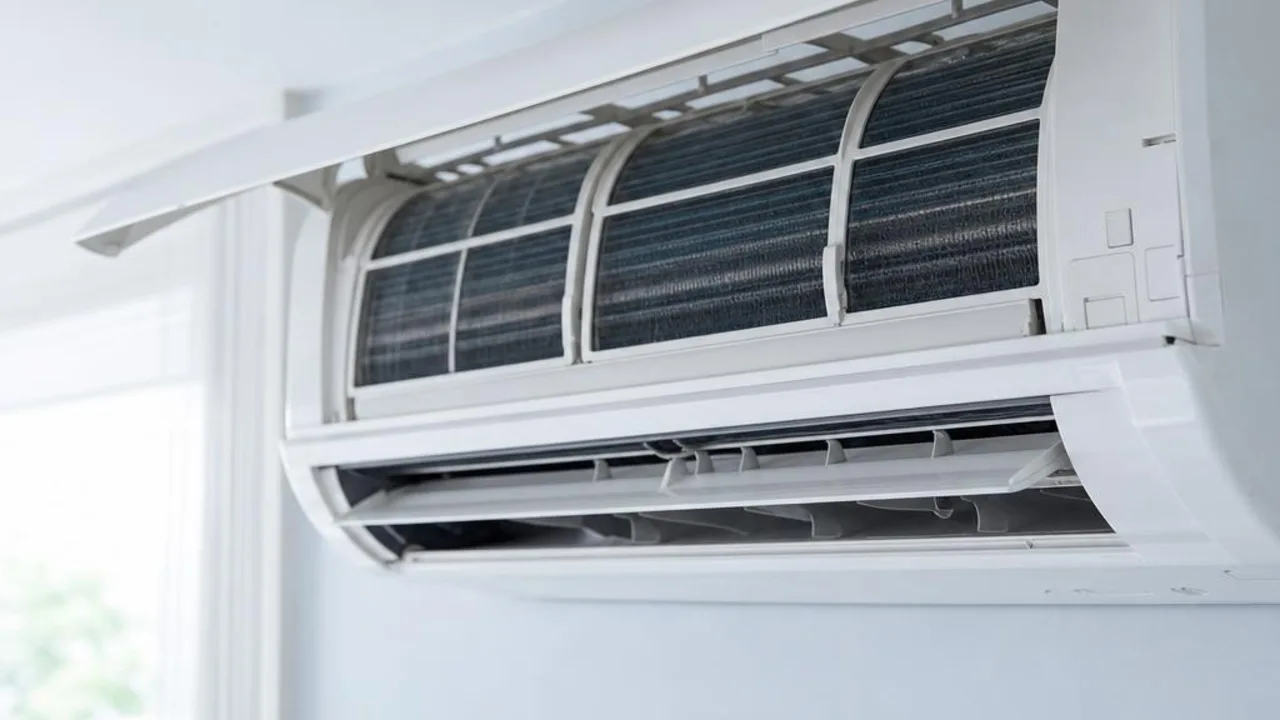
Clean the removable dust filter according to the manufacturer’s instructions, keep the room clean, and avoid storing food, rubbish, or standing water nearby for long periods. If there is internal dirt or drainage problems, arrange cleaning or an inspection.
Cleaning does not guarantee the complete elimination of pests. If the problem continues, environmental control measures must also be assessed. Do not treat one AC cleaning as a pest control service.
Do not seal openings or add inlet and outlet mesh yourself.
Wall pipe openings, building gaps, and the original ventilation and drainage openings of equipment serve different purposes. Do not block drainage holes, AC air inlets/outlets or access points just to prevent insects.
Any extra insect mesh, sealing materials or accessories must first be checked to see whether the original manufacturer allows them and whether they will obstruct airflow, drainage or maintenance. Do not handle high-level or external wall locations yourself.
Do not spray insecticide or fragrance spray into the air conditioner.
Do not spray medication on running equipment, the air inlet, air outlet, or electrical parts. Cleaning agents, insecticides, and natural essential oils are not suitable for air-conditioning materials and circuitry just because they are labelled for household use.
Plants or fragrance are not a guaranteed effective method for pest prevention in AC units; first check the product purpose and equipment limitations, and arrange through suitable personnel if needed.
What to do if there is already unusual noise or an electrical abnormality
If there is unusual noise, a burning smell, smoke, repeated tripping, or suspected foreign objects inside the unit, stop using it, and do not open the electrical box, insert tools, or spray water to drive it out. Record the model and situation, and arrange an inspection.
Enquire about TimesPlease explain whether it is routine maintenance, whether insects have been seen, or whether it is accompanied by a fault, so customer service can distinguish between cleaning and repair scope. Do not assume a clean alone will remove all risks.
Related reading and services
Reference sources and applicable scope
This article provides a preliminary guide only and does not replace an on-site diagnosis. Original manufacturer functions and operation apply only to the corresponding model; please refer to your own unit's manual. For fixed electrical installations, inspection should be arranged by a registered electrical contractor.
Need professional help?
Need to know about Residential air conditioning service? First check the service scope and arrangements, then provide the model and site details for enquiry