
AC TIPS & ADVICE
Use and selection Practical AC knowledge
Based on manufacturer information and site conditions, learn how to use the AC, judge faults, maintain it, choose a unit and save energy
Article categories
Showing articles 289–312 of 702 · Page 13 of 30

Common faults in window-type air conditioners: symptom logging, stopping use and repair scope
For a window unit that is not cooling, not turning on, making unusual noise, dripping water or smelling bad, first identify the issue clearly. Do not dismantle the fan, replace wiring or pour chemicals yourself; arrange inspection according to the symptoms.
Fault checks to read before calling an AC technician
Provide basic troubleshooting steps for common air conditioner faults to help users judge when professional repair is needed.
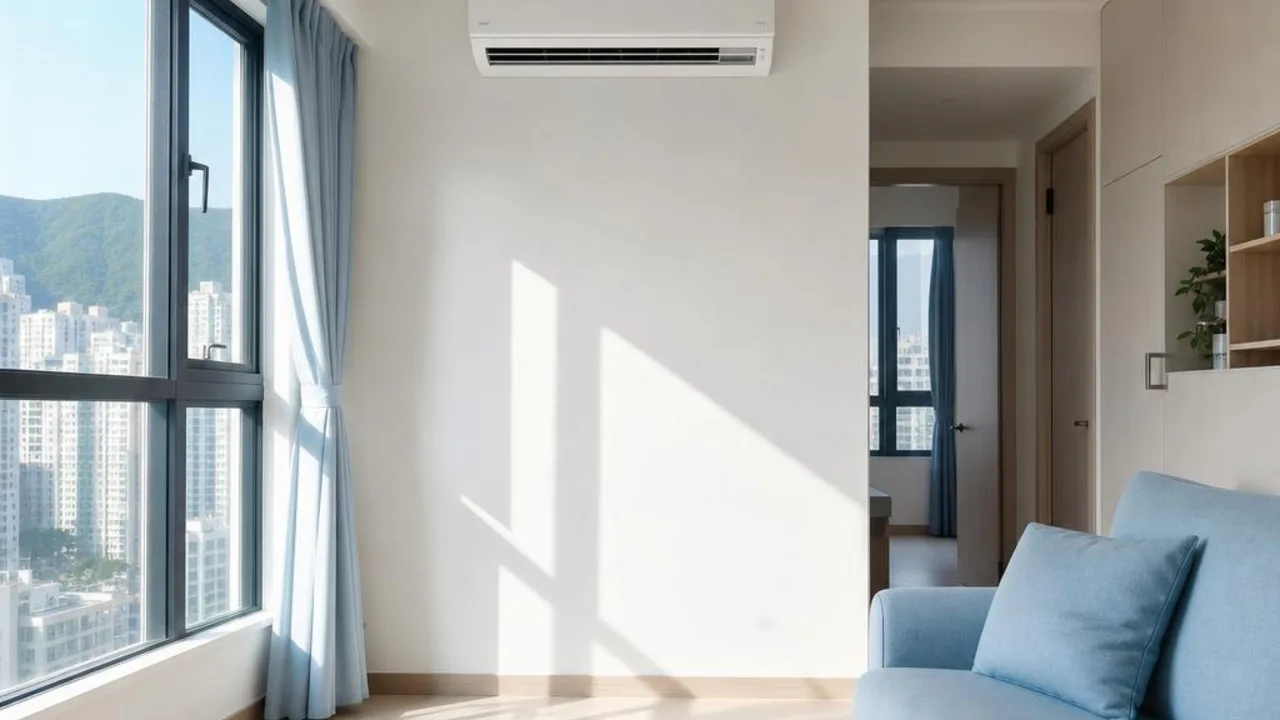
Does ceiling height affect AC cooling? Horsepower assessment for installing AC in high spaces
Choosing the right AC horsepower should take into account the indoor volume and ceiling height
Avoid common faults after cleaning an air conditioner
Proper cleaning methods are very important for AC operation and help avoid damage to internal structures
Will a window-type air conditioner get colder after cleaning? The difference between removing dirt and fixing faults
Window-unit cleaning can remove dirt buildup, but poor cooling may still require inspection; it does not guarantee better power saving or a longer lifespan after cleaning, and residents are not instructed to rinse the inside of the unit
Why do air-conditioner drain pipes get blocked easily? What to note during installation
AC drain-pipe blockage is often caused by dirt buildup, incorrect installation slope, ageing pipe material, or foreign objects. Regular cleaning and proper installation are key to preventing leakage
Why is regular air-conditioner servicing so important?
Regular AC servicing can check for worn parts and clean dirt, ensuring smooth system operation and improving air quality while preventing minor faults from worsening.
If an air conditioner breaks down during a property sale, who should pay for repairs? The buyer or the seller?
Responsibility for AC fault repairs during a property transaction should be based on the sale and purchase agreement and the negotiation between both parties
The rental AC is broken | Who pays for the repair, landlord or tenant
Responsibility for AC repairs during the tenancy depends on the contract terms; both parties are advised to clarify responsibility before moving in
Maintenance precautions after air conditioner installation
After installation, the air conditioner should be cleaned and checked regularly to maintain stable operation
What should be checked before installing a window unit? Location, support and extra works
A window unit is not a resident DIY installation. Support, opening, power supply and drainage must be assessed on site; basic installation and extra works should be clearly separated first.
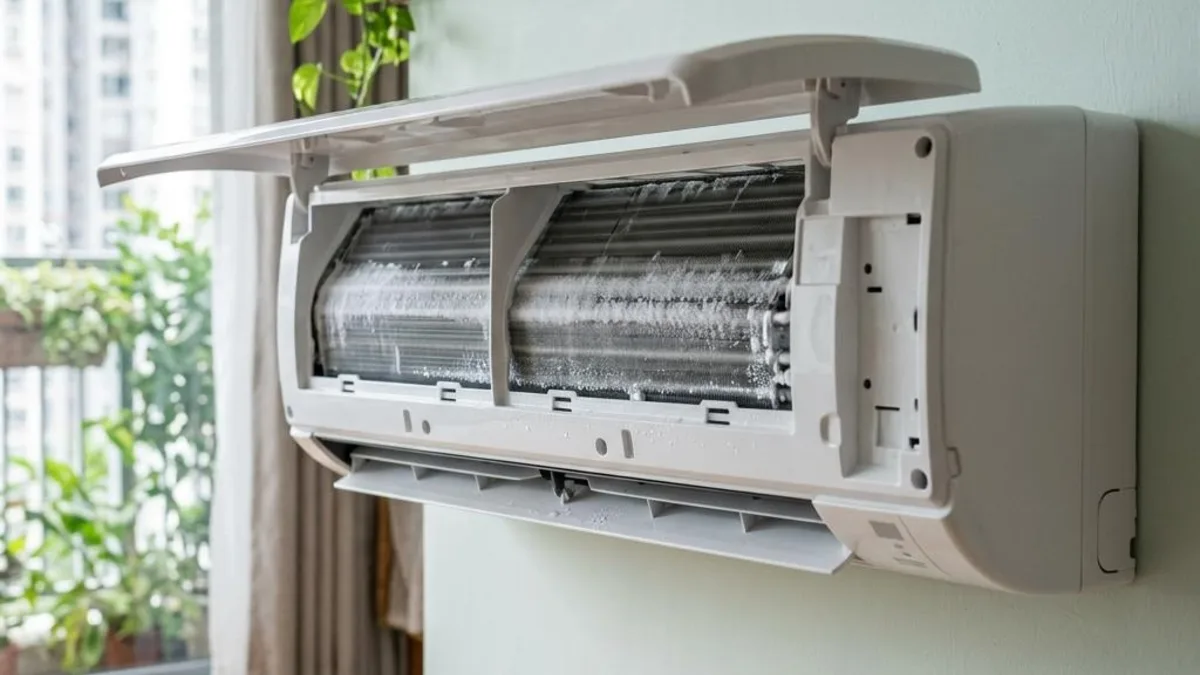
Water dripping from the drainage hole of a window unit: what residents can observe and what should be left to technicians
Analyse the causes of dripping from the drainage hole of a window-type air conditioner, and provide safe inspection and cleaning solutions
What charges apply when hiring a technician to install a self-bought air conditioner?
This article introduces common additional charges and budget considerations when a homeowner buys an air conditioner and hires a technician for installation
What to Do First When an AC Drips? Stop the Unit, Protect Items and Check the Drainage
If an AC starts dripping, stop using it first and protect electrical appliances and nearby items; the dust filter may be handled according to the instructions, while pipe blockages, dismantling and installation angle should be checked by suitable personnel
Analysis of potential inconvenience when installing an AC above the dining table
Analyse the airflow and hygiene impact of an air conditioner outlet facing the dining table, and suggest adjustments
How to install air conditioning in a small Hong Kong unit while balancing space and appearance
For small Hong Kong flats, this discusses air conditioner installation locations and model selection, and how to optimise space through design
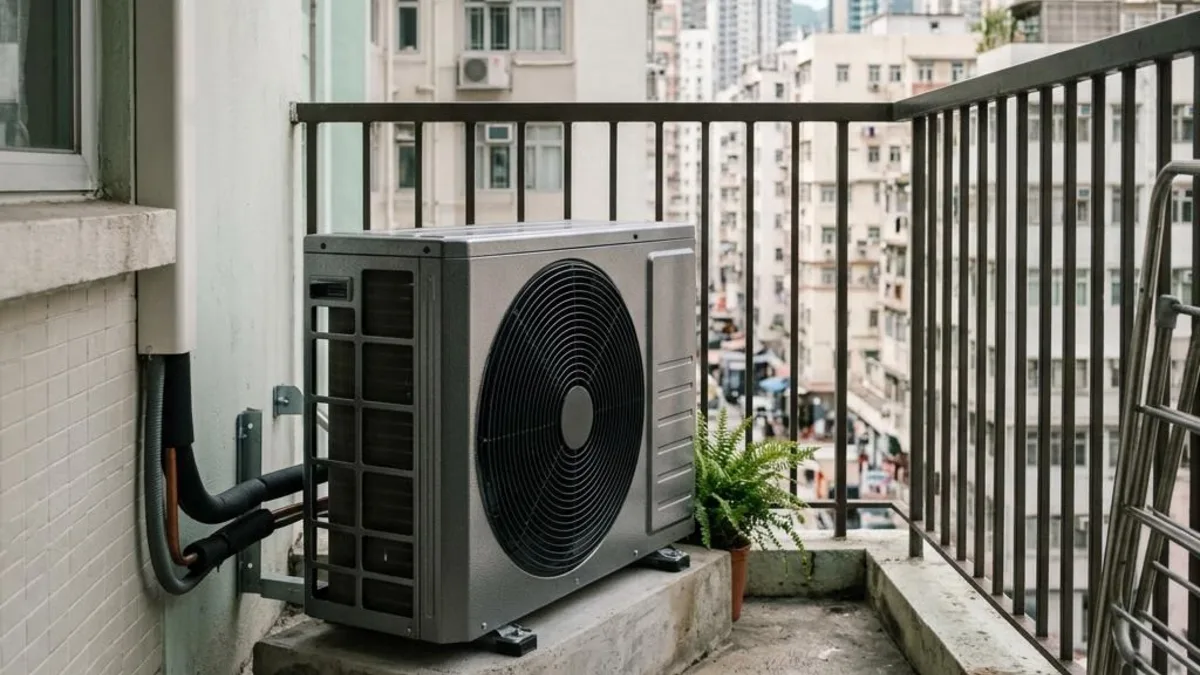
Outdoor air conditioner unit not running? Check the settings first, then arrange a fault inspection
If there is airflow indoors but the outdoor unit is not running, it may not necessarily be a compressor fault. Understand which settings can be checked safely, warning signs of shutdown, and the information needed before making an enquiry
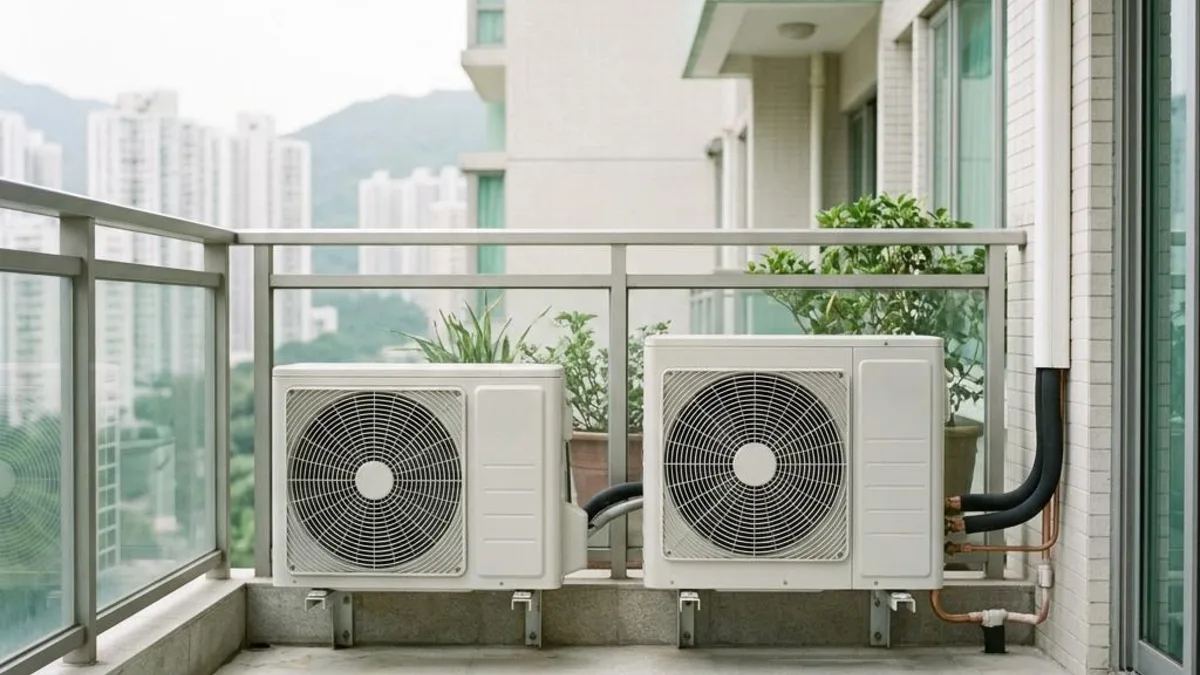
R32 vs R410A refrigerant: key points on energy saving, safety, and when to replace the unit
R32 has a lower global warming impact, but that does not mean every unit is necessarily more energy efficient. Learn about refrigerant classifications, why older units cannot be directly refilled, and the information to compare when choosing a unit
Capacitor fault: the unit not starting does not necessarily mean only the capacitor needs replacing
Difficulty starting and unusual noise can have many causes. Learn the role of the capacitor in some units, and why it should not be discharged, tested or replaced by yourself
Drain Pipe Connection and Slope for Air Conditioners: Installation Requirements Cannot Be Generalised
Drain pipes and refrigerant copper pipes serve different purposes. Understand the drainage route, connection, slope and pipe replacement assessment; do not raise the unit yourself to stop leaks.
Public housing air-conditioning water dripping and noise penalties: handle according to the current system and notices
Dripping, noise and general fines are not the same procedure. Understand the scope of the Housing Authority demerit system and address equipment nuisance early.
AC control board failure: an error code does not necessarily mean the board must be replaced
If it will not start, keeps shutting off or shows an error, the cause may involve power supply, sensors, communication or other parts. Check according to the model, and do not try replacing the board yourself.
Winter AC maintenance: filters, exterior and professional inspection
This guide covers basic air-conditioner maintenance and inspection procedures, and stresses that technical maintenance should be handled by professionals to ensure safety
Air conditioner not cold enough: filter maintenance and professional inspection
This article explores common reasons why air conditioners do not cool well, covers the importance of filter cleaning and professional inspection services, and compares common repair needs.