
Public housing air-conditioning water dripping and noise penalties: handle according to the current system and notices
Contents
The Housing Authority's Estate Management Marking Scheme applies to public rental housing and interim housing tenants only, and cannot be taken as the rules for all Home Ownership Scheme or private residential buildings. AC water leakage, noise nuisance and prosecutions under the law must be understood separately.
Dripping is a listed issue under the rules
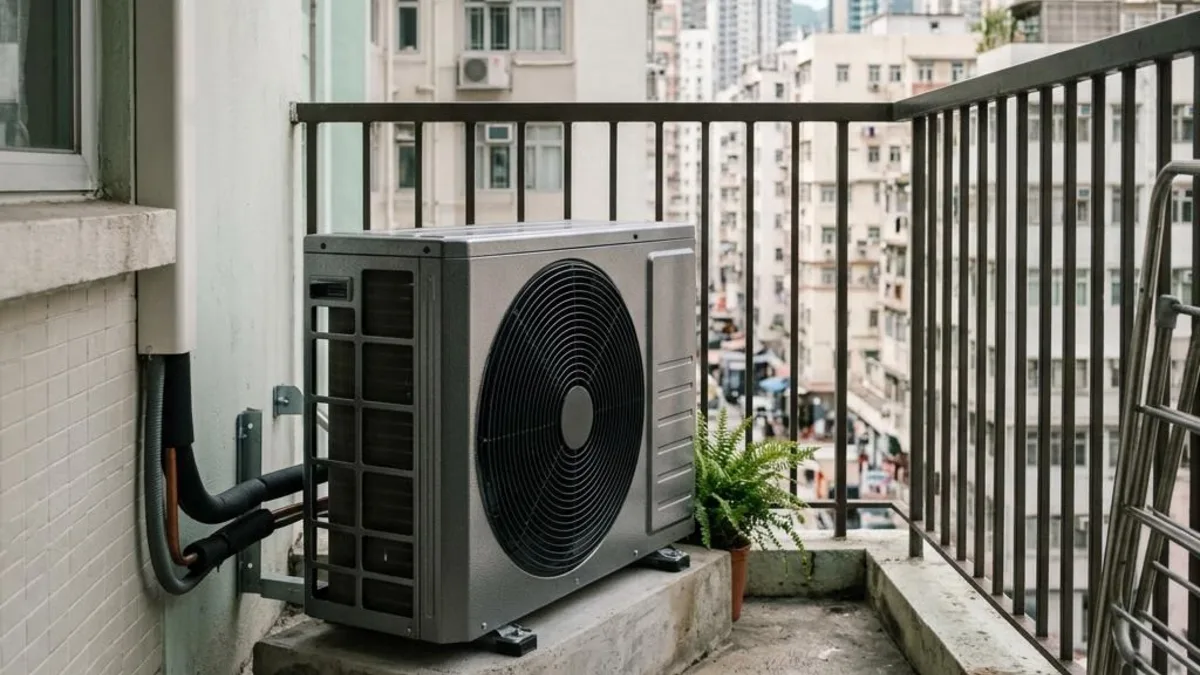
On the HA's current page, AC water dripping is listed as a 5-point item under the warning system. For first-time written warnings, repeat offences within the validity period, and subsequent handling, confirmation must be based on the scheme and the notice for the individual case. It is not an automatic deduction as soon as a single drop is seen.
The rules also state that accumulating 16 points within two years may lead to termination of the tenancy or provisional licence. This is an overall cumulative rule and cannot be rewritten as one AC water-dripping incident automatically causing termination of the tenancy.
There is a difference between noise and tripping
Noise nuisance is listed under the warning system’s applicable matters, but the Housing Authority also notes that the warning arrangement does not apply to those convicted of creating noise inside a unit. In practice, follow the notice and the relevant authority’s handling.
A demerit point does not mean all legal procedures or fines apply; AC noise is also regulated by applicable noise legislation and should not be treated as only a housing-estate management issue.
Contact the office after receiving the notice
Record the notice request, deadline and contact details, and confirm with the office what handling and proof are acceptable. If you have questions or need to complain or appeal, follow the route announced by the Housing Authority.
A service completion record can show that work was carried out, but it does not guarantee penalty removal, exemption from fines, or that all nuisances have been confirmed removed by the authorities.
How to handle equipment problems safely
If there is dripping, continuous leaking, or water near electrical parts indoors, stop using the unit. Do not lean out of the window to catch the water or modify shared drainage yourself. Provide photos and the model from a safe position so inspection can be arranged.
Noise may involve parts, installation or dirt buildup, so cleaning alone may not be enough. First confirm the cause and scope of work, then arrange the service; do not use the fixed repair price in the article as a guaranteed budget.
Related reading and services
- Fault inspection, repair charges and service limits
- Air conditioning guide by symptom
- Current charge confirmation, payment, rescheduling and service terms
- Back to AC encyclopedia and continue reading
Reference sources and applicable scope
This article provides a preliminary guide only and does not replace an on-site diagnosis. Original manufacturer functions and operation apply only to the corresponding model; please refer to your own unit's manual. For fixed electrical installations, inspection should be arranged by a registered electrical contractor.
Need professional help?
Need to know about AC repair service? First check the service scope and arrangements, then provide the model and site details for enquiry