
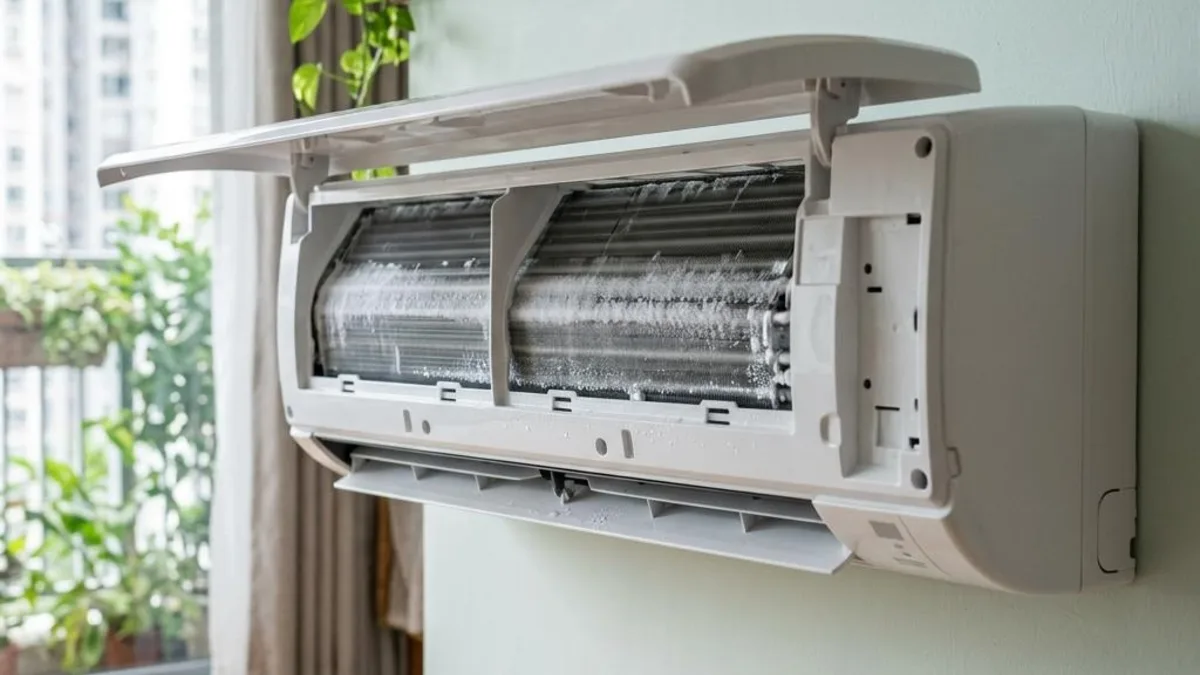
What to Do First When an AC Drips? Stop the Unit, Protect Items and Check the Drainage
Contents
If an AC starts dripping, switch off the unit first to avoid water contacting sockets or electrical appliances, and protect items underneath. If a breaker trips, there is a smell or the wiring gets damp, do not keep the unit running; a blocked drain pipe, internal water accumulation or installation problems need to be checked, and you should not pour in drain unblockers yourself.
Causes of air conditioner dripping
Before discussing emergency steps for a leaking air conditioner, it is important to understand the causes of dripping:
Dust buildup on the filter can affect airflow, but dripping water may also involve the drain pan, drain pipe, condensation or installation. Do not determine the cause based on the filter alone.
Blocked condensate drain pipe: after long-term use of the AC, dirt may build up in the condensate drain pipe and cause blockage, preventing drainage.
Incorrect installation angle: An incorrect installation angle may affect moisture drainage and cause dripping.
Faults in internal air conditioner components: if parts such as the evaporator or pump fail, the air conditioner may not drain properly.
Emergency handling method
Check the dust filter
First, check whether the dust filter of the air conditioner is blocked. If it is blocked, you can take the following emergency measures:
Emergency handling: switch off the AC and unplug it. Remove the dust filter and gently clean the dust on it with a cloth or brush. For stubborn dirt, you may use a mild detergent and water. Let the filter dry in a ventilated place before reinstalling it.
Clean the condensate pipe
If the drain pipe is suspected to be blocked, do not dismantle the pipe or pour chemicals into it. First record the location and frequency of the dripping, then arrange for the appropriate person to inspect it.
Stop using leaking equipment and avoid contact between water and electrical wires or sockets. Do not remove the drain pipe yourself, dig out dirt inside the pipe with your fingers, or use drain cleaners; strong corrosive chemicals and improper disassembly may cause injury and equipment damage.
Adjust the installation angle
If installation or drainage angle is suspected to be the problem, do not move the window unit or outdoor unit yourself; please have the appropriate personnel inspect it according to the installation guidelines for that model.
Drainage requirements for window and split units vary by model and installation method. It is not correct to require the unit to be perfectly level or to adjust the slope by yourself; the installer should follow the manufacturer's instructions.
Inspect internal components of the air conditioner
If the above methods still do not solve the dripping problem, there may be a fault in an internal component of the air conditioner.
Emergency handling: switch off the AC, unplug it, and contact a professional technician to inspect internal components such as the evaporator and pump, then carry out repair or replacement.
Preventive measures
To avoid water leakage from the air conditioner, you can take the following preventive measures:
Regular cleaning of the dust filter: Check and clean the AC dust filter often to prevent blockage;
Watch the location of the water dripping. If you suspect poor drainage, arrange an inspection; do not dismantle and clean the internal drain pipe yourself.
Proper AC installation: ensure the unit is installed at the correct angle to allow condensate drainage;
Regular repair and maintenance: Have the AC serviced regularly, check the condition of internal components, and replace damaged parts promptly.
In short, understanding the causes of AC water leakage and emergency handling methods can help you respond quickly when problems arise. At the same time, appropriate preventive measures can reduce the risk of leakage, allowing you to enjoy a comfortable indoor environment during the hot summer.
Find professional help
Tell customer service the model, where water is dripping, and whether there is tripping or any odour, so they can distinguish between cleaning, inspection and repair. Without inspection, it cannot be guaranteed that the dripping will not return after cleaning.
Related reading and services
Need professional help?
Need to know about AC repair service? First check the service scope and arrangements, then provide the model and site details for enquiry