
AC TIPS & ADVICE
Use and selection Practical AC knowledge
Based on manufacturer information and site conditions, learn how to use the AC, judge faults, maintain it, choose a unit and save energy
Article categories
Showing articles 553–576 of 702 · Page 24 of 30
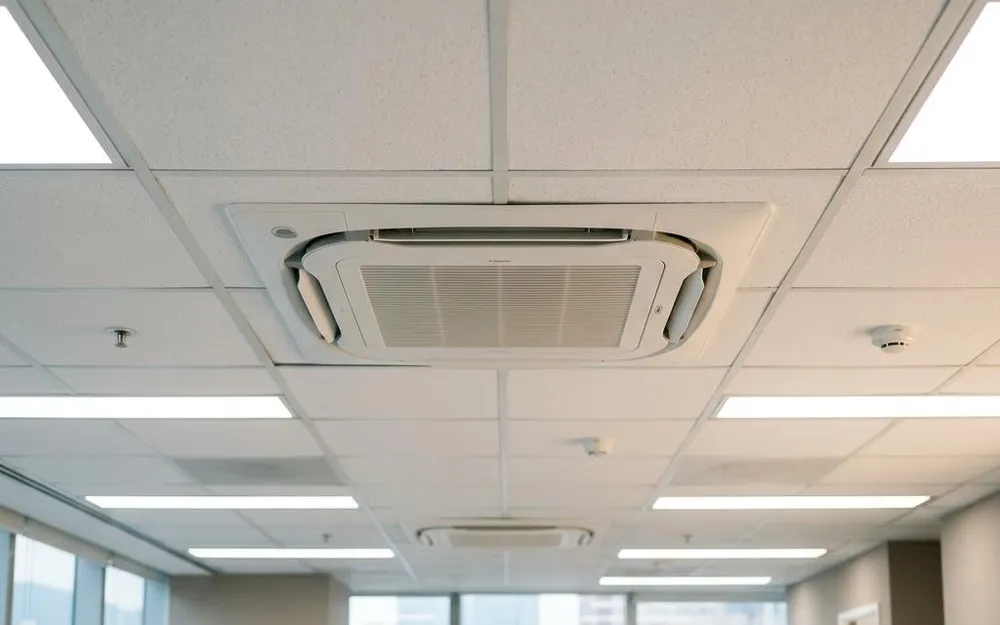
Home air conditioner operation and maintenance
Improve the operating efficiency of your home AC through regular professional cleaning and maintenance

Urban environment and AC maintenance
High temperatures in urban areas may increase AC load; professional maintenance helps maintain unit performance
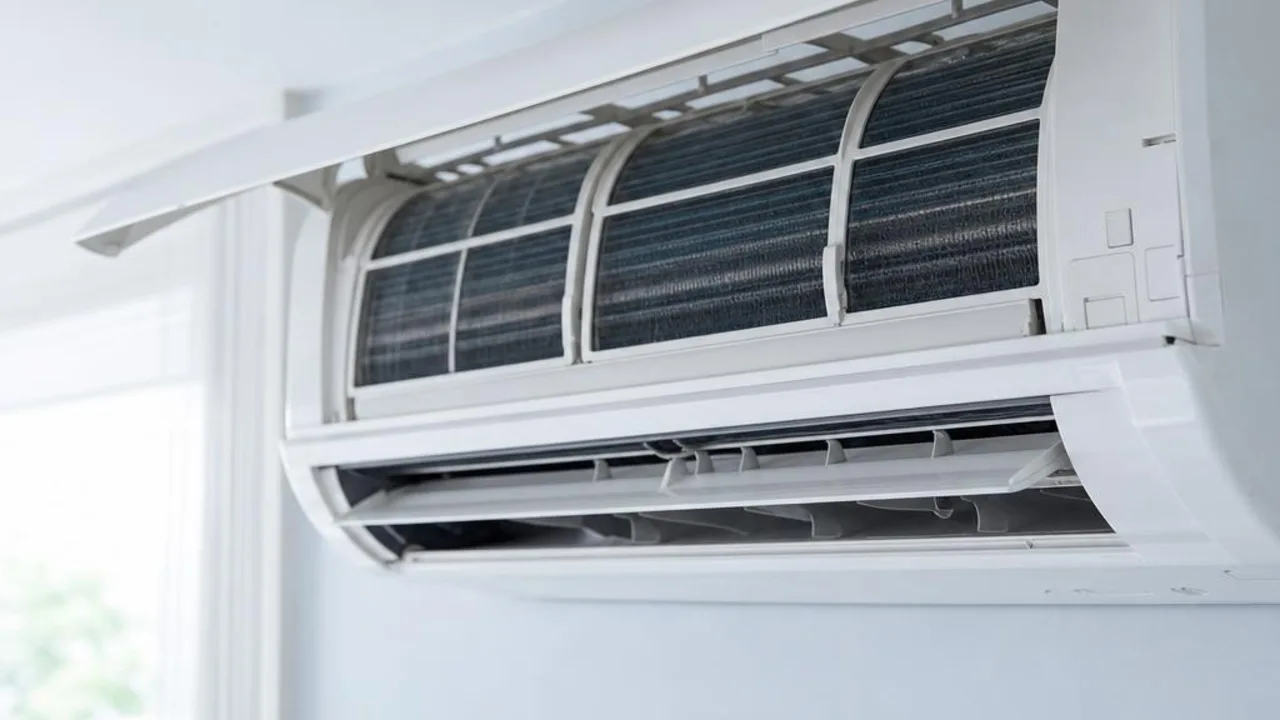
The Difference Between AC Cleaner and Professional Cleaning
Analyse the limitations of household air conditioner cleaning agents, and recommend hiring a professional team for deep cleaning to maintain the unit's condition
Common AC Problems and Maintenance Tips
For common AC operating issues such as drainage or abnormal cooling, professional technical support is recommended to maintain unit performance.
How should an old air conditioner be disposed of? 4 ways
This article introduces the proper ways to dispose of old air conditioners and related service information
Is constant sneezing definitely caused by the AC? Environmental records and the cleaning boundary
Sneezing, nasal congestion, and a runny nose cannot be diagnosed as being caused by the air conditioner; dust buildup in the unit can be assessed for maintenance, but if discomfort continues, seek medical advice. Cleaning does not replace diagnosis or treatment.
Why air conditioners break down more after a typhoon
This article analyzes common causes of air conditioner faults after a typhoon and the preventive measures
Running the AC during a typhoon | A guide to AC use during typhoons
This article provides inspection conditions and precautions for safe air conditioner use during typhoons, and recommends prioritizing equipment safety in severe weather
Can antibacterial silver-ion or photocatalytic filters be washed? Cleaning limits for special-material dust filters
An introduction to the material characteristics of special antibacterial filters and correct cleaning and maintenance guidance, to avoid damaging the functional coating
Stains reappearing after air conditioner cleaning: source of moisture and rechecking
Removing visible surface stains does not mean the source of moisture or contamination has been found, nor does it guarantee that growth will not recur; distinguish between routine cleaning, professional cleaning and other repairs
How to deal with mould in the AC? Odours, dirt buildup and safe cleaning
Dust build-up and dampness inside an air conditioner may be accompanied by a musty smell; smell alone cannot diagnose cancer risk or the type of mold. Stop using abnormal equipment first and inspect it according to the actual situation

Avoid paying for hype! 2026 Hong Kong high-value AC buying guide
From the perspectives of energy labels, functions, installation and maintenance, analyse the criteria for choosing the right AC and the hidden costs
Wall-mounted split unit | Advantages and disadvantages
Analyse the operating advantages of a wall-mounted split-type air conditioner and daily maintenance points, to help users assess installation needs
Choosing an air conditioner | Important precautions for portable air conditioners / mobile air conditioners5
An introduction to the key points for choosing a portable air conditioner, including cooling capacity and installation convenience
Installing AC in a new home living room: window-type or split-type? Consider these points before buying
Analyse the factors to consider when choosing between a window-type or split-type air conditioner for a living room in a newly completed building
The importance of AC maintenance after heavy rain
Discuss the risk of wear and tear on an air conditioner during heavy rain and the importance of follow-up maintenance checks
Air conditioner replacement | Important precautions
Summary of the purchasing factors, installation points, and maintenance considerations when replacing an AC unit
How to compare appliance electricity use? A power-and-hours method for air conditioners, water heaters and others
High power does not mean the highest monthly electricity use. Actual usage time and control method must be considered together. Learn how to calculate electricity usage properly, instead of relying on old electricity rates and appliance rankings without proper conditions.
How often should an air conditioner be cleaned? Arrangements for homes, offices and commercial premises
Cleaning frequency should be judged based on the manual, usage time, dirt buildup and environment; household and commercial units should not use the same cycle, and cleaning and repairs must also be kept separate
Before window-unit cleaning: support, access beside the window and removal assessment
For window-unit cleaning, first provide the support details, space beside the window, power supply and existing faults. Whether it can be safely removed will be assessed by the service staff; residents must not loosen the bracket themselves
Which Parts of an AC Can Be Cleaned? Indoor Filters, Outdoor Unit and Remote Control
Distinguish the indoor filter, internal parts, outdoor unit and remote control; maintain according to the model manual. Do not dismantle the outdoor unit, clean the drain pan yourself, or take apart the remote control circuit board.
What Air Conditioner Maintenance Can You Do Yourself? Boundaries for Filters, Outdoor Units and Circuits
Residents should maintain reachable filters according to the manual, and should not dismantle the unit to brush the heat exchanger, clear drainage or inspect the circuit; frequency depends on the model and actual use.
Moisture from the bathroom can drift to the area under the air conditioner and easily cause mould and scale buildup
Explains how indoor moisture affects AC operation and why cleaning is important
Same Class 1 energy label, how do AC electricity use and costs compare? Check the model and conditions first
The same energy label grade does not mean the same electricity consumption. When comparing air conditioners, look at the model, capacity, CSPF and label conditions; do not use an unreported 30% difference to estimate cleaning energy savings