
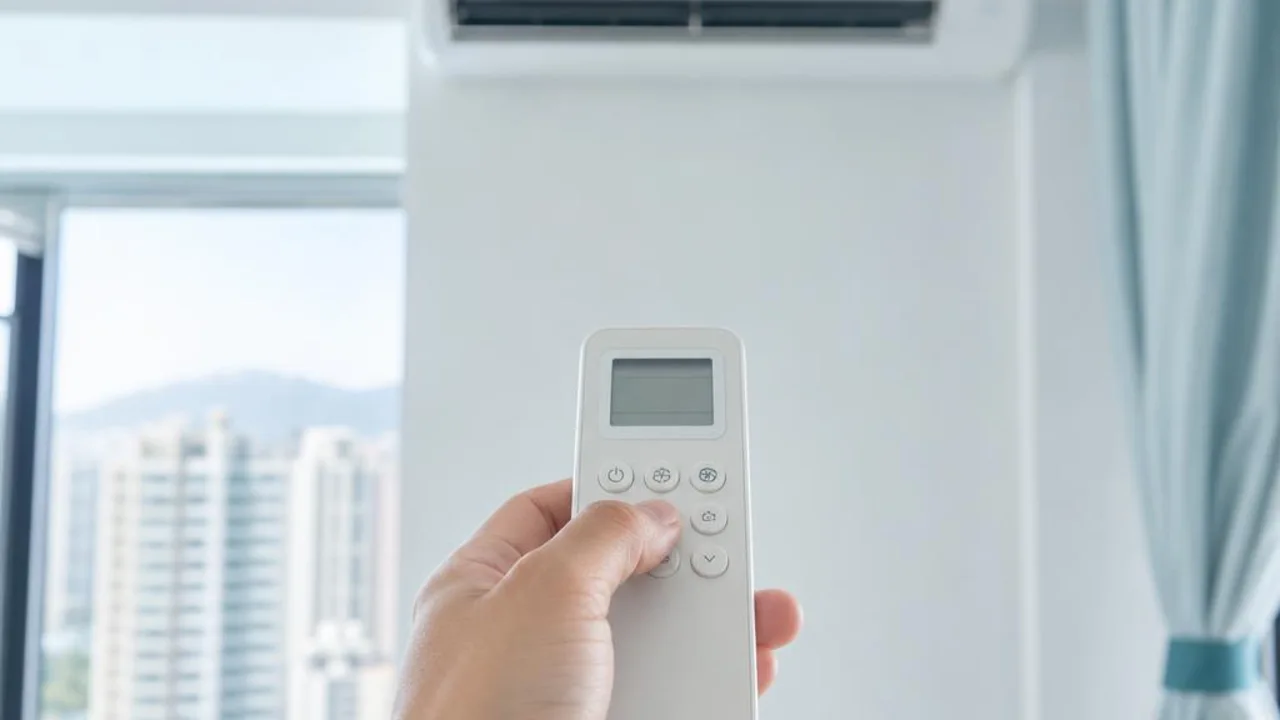
AC Cool vs Dry mode comparison
Contents
Every summer, all kinds of 'air conditioner electricity-saving tips' circulate online. One of the most common is that 'Dry mode is more energy-efficient than Cool mode.' However, after following this advice, many homeowners find that the room cools down very slowly, and their electricity bill at the end of the month is still high. Does Dry mode really save electricity? When remotely turning on the air conditioner in advance with a mobile app, should you choose Cool mode or Dry mode for the most practical use?
Does AC Dry mode really save more electricity than Cool mode?
Dry is not necessarily more energy-saving than Cool, and it is not necessarily more power-hungry either. Actual performance depends on model control, room temperature, humidity, load and settings; you cannot infer that the compressor will keep running at full speed just from relative humidity.
How Cool and Dry modes work, and 3 common myths
To understand which mode saves more electricity, first understand the basic difference in how the two operate:
- Cool is mainly for cooling, and can also remove some moisture at the same time. Adjustable settings and compressor control depend on the model, and it cannot be guaranteed that every unit will use the same low-power mode after reaching the target temperature.
- Dry is intended for dehumidification. Fan speed, temperature and operating limits vary by model. It may not independently control humidity, and it does not mean the same control as a standalone dehumidifier.
Myth 1: Is Dry mode always more energy-saving than Cool mode?
Do not judge the most energy-efficient mode by its name. It should be compared under similar indoor and outdoor conditions and for the same purpose, with the manufacturer's instructions checked. Low fan speed alone does not prove the whole unit consumes more power.
Myth 2: Does the BTU rating of an air conditioner affect the efficiency of Dry mode?
Capacity and load affect cooling and dehumidification performance. The common capacity unit is BTU/h or kW; BTU itself is a unit of energy. Insufficient capacity also does not mean all models will necessarily run at 100% full speed in any mode.
Myth 3: When controlling the air conditioner remotely with a mobile app, should you switch on Cool or Dry mode before going home?
If the main purpose is to cool down when you get home, you can use cooling mode according to the model; there is no universal pre-start setting of 10 to 15 minutes for all rooms, and the extra electricity use during pre-cooling should also be considered.
Sun exposure, heat load, and equipment capacity affect how long cooling takes. Dehumidify mode should not be treated as a quick pre-cooling method in all situations, and not every Dry mode uses the same fan speed.
Choose the mode by purpose, not by star rankings
If your main goal is cooling, check the cooling setting first; if your main goal is reducing humidity, check the model’s dehumidifying function and applicable conditions first. When comparing comfort and power usage, keep the conditions comparable and do not invent scores to replace actual data.
Set the mode correctly but it still is not cool enough, and the electricity bill has surged? The problem may be “internal dust buildup.”
Many homeowners find that even after strictly following the instructions to choose the right mode and calculating the correct AC BTU specification for the room size, the air conditioner still "runs for a long time without getting cold", has "weak airflow", or even causes "a sudden jump in electricity bills".
Insufficient airflow and poor cooling may involve dirt build-up, load, installation, or faults, and cannot be determined as deep dirt just because a mode was selected.
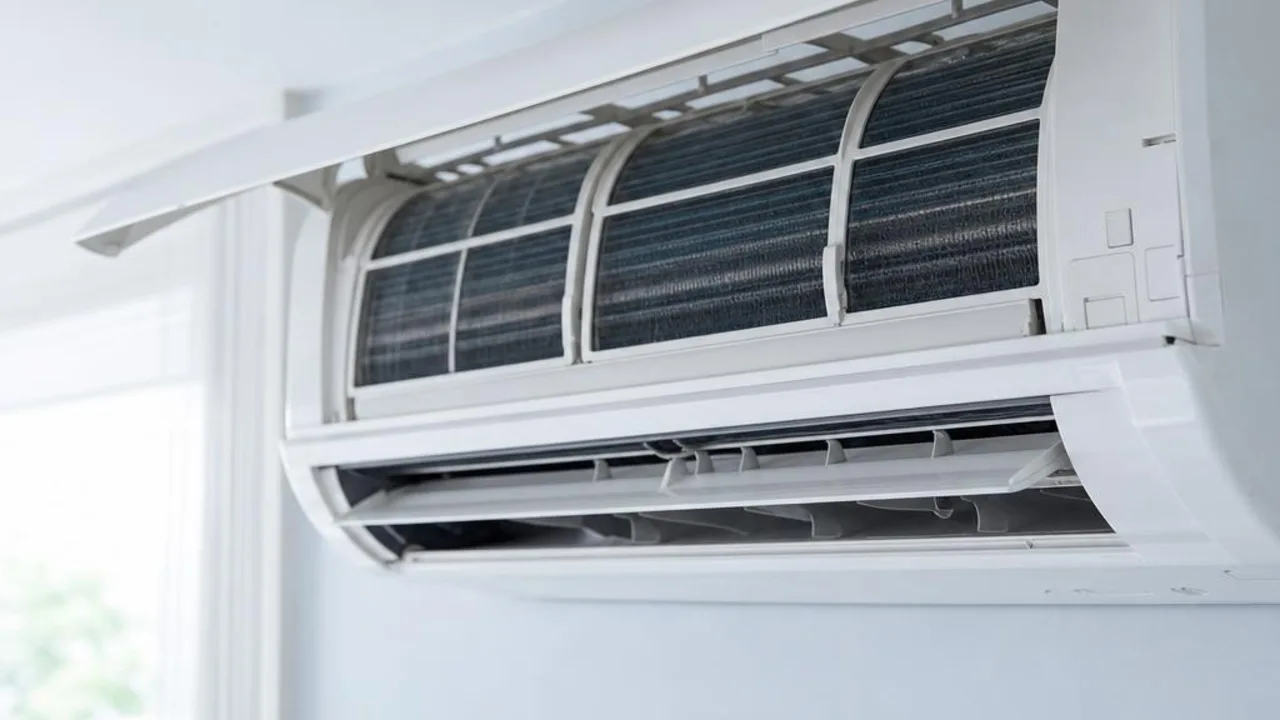
- Dirt on the heat exchanger may affect heat transfer and airflow. The actual extent must be checked, and no chemicals should be sprayed into the interior yourself.
- Dust build-up on the fan wheel may affect airflow, but without measurement you cannot claim airflow has dropped from 30% to 50%.
- Control and faults: sensor or other system issues require separate diagnosis, and it cannot be assumed that all high power consumption is caused by the compressor being forced to the highest frequency by dirt.
Seek help from a professional team
Home cleaning of the filter alone can only remove a small amount of larger dust particles. When internal AC components are deeply blocked, professional help is an effective way to restore performance and operation. Professional technicians will clean deep-seated dirt from the fan wheel, helping maintain airflow and eliminate odours during operation. It can also restore heat-exchange efficiency and help the inverter compressor run properly.
Related reading and services
Want to arrange AC cleaning or maintenance?
OPOExpert Air Conditioning provides residential and commercial AC cleaning and maintenance with clear pricing. Enquiry first or book online directly