
Key Factors When Buying an Energy-Saving Air Conditioner
Contents
In the hot summer months, a high-efficiency, energy-saving air conditioner can provide a comfortable indoor environment while also reducing electricity costs. However, choosing the right model from the many types and brands available is not easy. What key factors should be considered? This article explains the important points to note when selecting an energy-saving air conditioner.
Energy efficiency
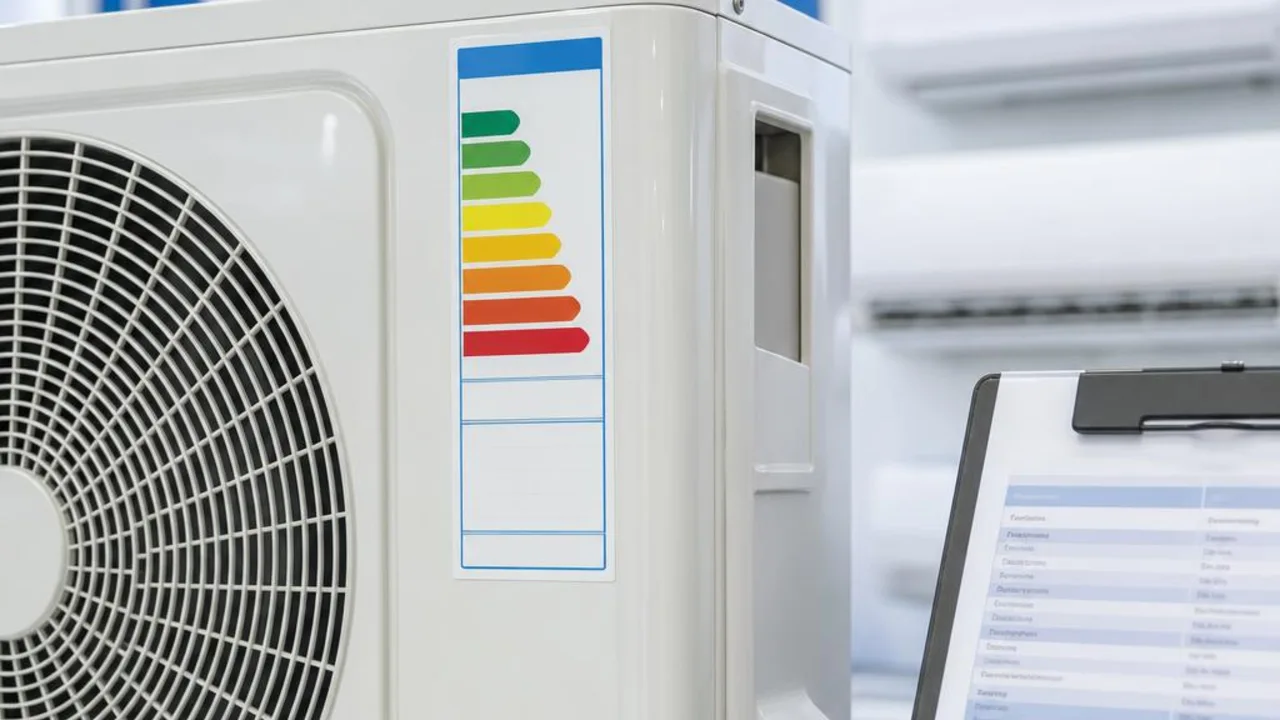
Energy efficiency is one of the most important considerations when choosing an energy-saving air conditioner. We should choose models with a high Energy Efficiency Ratio (EER) or Seasonal Energy Efficiency Ratio (SEER). A higher EER means stronger cooling capacity and lower power consumption; a higher SEER means higher overall energy efficiency. Air conditioners with a 5 energy-efficiency label are generally highly efficient and are a good choice.
Cooling capacity
Another important factor is the cooling capacity of the air conditioner. We need to choose the appropriate cooling power according to the room size. In general, about 100 watts of cooling power is needed per square metre. If the air conditioner chosen is too small, even if it is energy-efficient, it cannot cool effectively; if it is too large, it may cause overcooling in a short time and increase electricity consumption. Therefore, it is important to measure the room area accurately and choose a matching cooling capacity.
Inverter technology
When buying an energy-saving air conditioner, also pay attention to whether inverter technology is used. Compared with traditional fixed-speed models, inverter air conditioners can adjust compressor speed more precisely for better energy-saving performance. In addition, inverter models can automatically adjust power at startup, avoiding the high power draw typically seen when an air conditioner starts up. Therefore, choosing an air conditioner with inverter technology is a good option.
Quiet performance
Noise during air conditioner operation is also an issue to pay attention to. Some high-end air conditioners use advanced noise-reduction technology, allowing them to greatly reduce operating noise while still delivering strong cooling performance. If you have a baby or young children at home, or prefer a quiet environment, choosing a low-noise air conditioner model is a good option.
Other parameters
In addition to the main factors above, when choosing an air conditioner we also need to pay attention to other parameters, such as refrigerant type, heating function and smart control. For refrigerants, R32 or R410A are common types; the heating function can expand the unit’s range of use; smart control makes operation more convenient.
Find professional help
Buying an energy-saving air conditioner may seem simple, but in fact it requires a comprehensive consideration of many factors. If you feel confused during the buying process, you may wish to seek advice from a professional repair team. They can not only recommend suitable models based on your specific needs, but also provide one-stop services such as installation and maintenance to ensure the air conditioner operates stably and efficiently in the long term.
When buying an energy-saving air conditioner, you need to consider energy efficiency, cooling capacity, inverter technology, quiet performance and other key factors in a comprehensive way. Only by finding the best balance among these factors can you bring truly comfortable cooling to your home and enjoy long-term energy-saving benefits. If you have any questions during the buying process, please feel free to seek help and advice from a professional team.
Related reading and services
Want to arrange AC cleaning or maintenance?
OPOExpert Air Conditioning provides residential and commercial AC cleaning and maintenance with clear pricing. Enquiry first or book online directly