
DIY AC cleaning or hire a technician? Hidden difficulties in cleaning window-type air conditioners
Contents
When summer arrives and a window-type air conditioner that has been left unused for a long time is switched on, it often comes with a musty smell or weak airflow. Many owners then face a dilemma: buy a cleaning spray and do it themselves, or pay someone to come and clean it. Online tutorial videos may look simple, but in reality, window units have a compact structure, and the risks and difficulty of cleaning them yourself are far greater than expected.
1. The huge difference between surface cleaning and deep cleaning
Most owners who clean the unit themselves can only do a superficial job; the difference in cleanliness and professional cleaning is enormous.
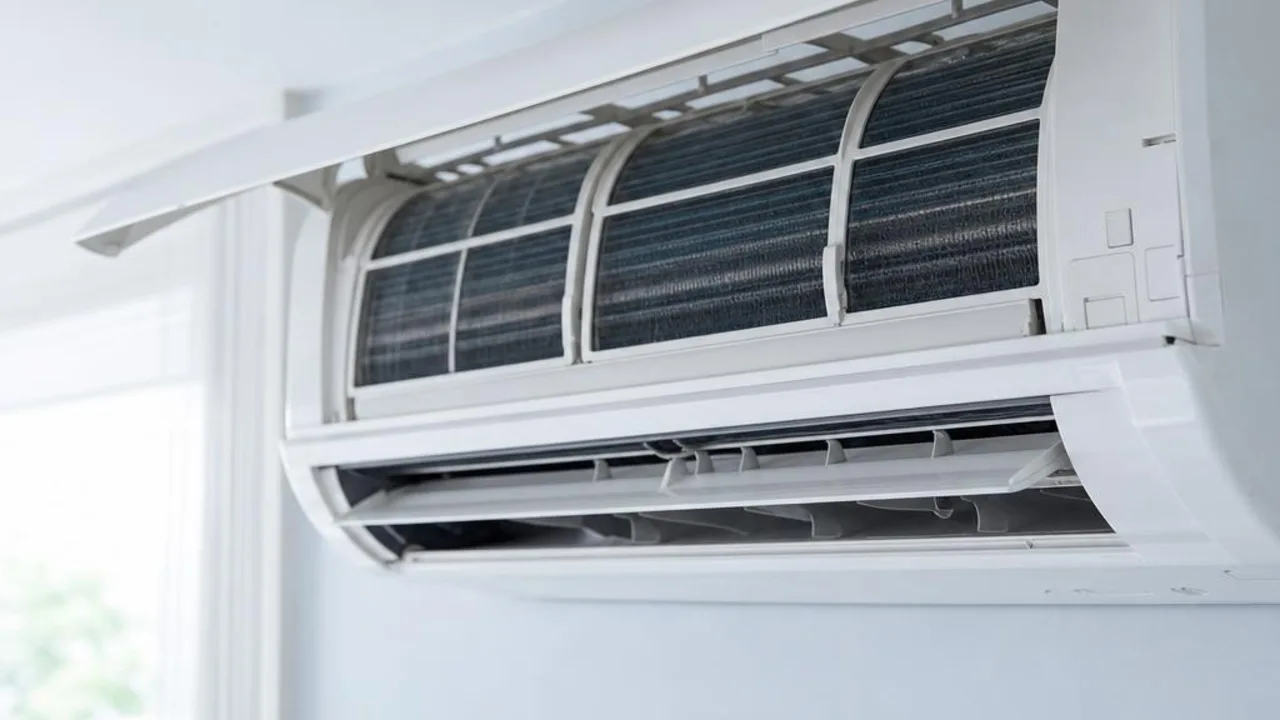
- Cannot reach the source of the dirt. DIY cleaning usually only covers removing and washing the filter and wiping the air outlet. However, the real source of dirt in an air conditioner is hidden deep inside the evaporator fins and the fan impeller, commonly known as the blower wheel.
- Residual risk from spray cans Although spray-can cleaners on the market can create foam, they do not provide enough water pressure for rinsing. Dirt dissolved by the cleaner cannot be flushed out, and instead may remain inside the unit as the foam dries, even blocking the drain hole and causing dripping or a bad smell.
II. Three hidden challenges of window unit cleaning
Compared with a split unit, cleaning a window-type AC involves more physical and safety risks.
- Obstacle one: high-altitude risk when removing the chassis. The most thorough cleaning method is to pull the chassis out of the metal casing. A typical window unit can weigh 30 to 40 kg and has an unstable centre of gravity. If the owner stands on a ladder while trying to keep balance and pull out the chassis, it is easy to strain the back or slip. If the chassis accidentally falls out of the window, it can also cause a serious falling-object accident.
- Obstacle two: precise waterproofing for the circuit board. All parts of a window unit are packed into a small casing, and the circuit board is very close to the heat-dissipation aluminium fins. It is difficult to control the spraying angle precisely during self-cleaning. Once water splashes into the unwrapped circuit board or capacitor, a short circuit and burnout can occur the moment power is applied. This kind of man-made damage is often not covered by maintenance.
- Obstacle three: heat-dissipation dead spots that cannot be reached. Half of a window unit extends outside the window, and the condenser on that side is most likely to collect outdoor dust and grease. Spraying water from inside alone cannot wash the back of the unit, resulting in poor heat dissipation and a sharp increase in power consumption. Unless the chassis can be completely removed and cleaned, DIY results will be greatly reduced.
Why is professional help needed?
The value of professional AC cleaning technicians lies in the equipment and skills that most households do not have. They use powerful high-pressure cleaning guns to thoroughly break up and wash away deep-seated dirt and mould, together with high-temperature steam machines for sterilisation and disinfection. More importantly, professional teams receive strict safety training, know how to properly protect circuit boards and motors, and are capable of handling work at height. During the work, specialised waterproof covers are used to collect water, ensuring that wastewater does not dirty the walls or floor. Entrusting this heavy-duty work involving electrical and water safety, as well as height risks, to professionals not only ensures the AC is thoroughly cleaned, but also protects your family’s safety.
Although DIY cleaning can save some money, considering cleaning thoroughness, the risk of damage, and personal safety, DIY should only be a supplementary, light maintenance measure. If you want your AC to return to its best condition in the hot summer and avoid accidents, the smartest and safest choice is to regularly hire a qualified technician for deep cleaning.
Related reading and services


Need professional help?
Need to know about Residential air conditioning service? First check the service scope and arrangements, then provide the model and site details for enquiry