
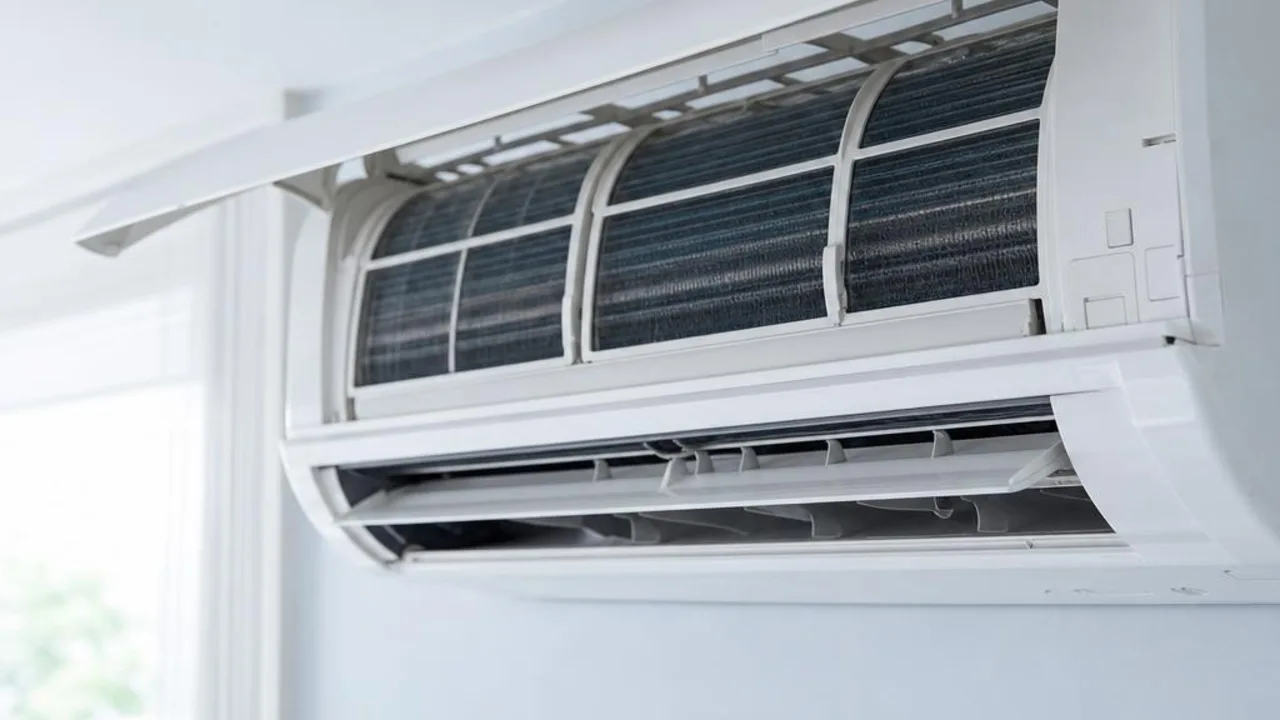
Smells worse after spraying foam on your air conditioner? Follow-up on residue, drainage, and safety
Contents
If the AC smells worse after foam is sprayed into it, this does not confirm increased mould or cleanser fermentation. Stop adding chemicals, rinsing or dismantling the unit yourself. Record the product used and the areas treated, then arrange an inspection for residue, drainage and other possible odour sources.
If there is a burning smell, tripped breaker or water near electrical parts, stop using it and keep away from the wet unit and power switch; do not repeatedly turn it on to test. Factory-approved filter maintenance and spraying chemicals inside the unit are different procedures.
Sprays do not mean internal cleaning is complete
The intended use of a spray and the applicable parts depend on the product and model; do not judge from the foam alone that it has deeply cleaned, needs no rinsing, or is safe.
The odour may be related to unremoved dirt, product residue, drainage or other sources. Without inspection, it is impossible to tell where the dirt has been pushed to.
If dripping occurs, distinguish drainage issues from other causes. Do not flush the hose with pressure, add drain cleaner, or keep spraying chemicals.
Any residual product must be disclosed; do not cover it up with another chemical
Professional methods must also match the equipment and product requirements; high-pressure water is not necessary in every case. Residents should not judge whether an AC can be rinsed based only on water pressure.
Keep the product name, label or photos, and state how much was used, where it was sprayed, and whether it was mixed with other products. If there is any discomfort, also explain this to a medical or relevant professional service.
Without testing, you cannot claim that residue turns into nutrients or that mould will explode within a week. Do not use fragrance, foam or wastewater colour as proof of safety or cleanliness.
If the electrical area is wet, do not test the unit yourself
The circuit location depends on the model and cannot be assumed to always be on the right side. Turning off the remote control does not mean all circuits are de-energized, and do not remove the cover to look for the board yourself.
If you suspect water or cleaning solution has reached electrical components, stop using it and arrange an inspection first. Do not assume it is safe to turn back on just because the surface is dry or some time has passed, and we do not promise that a single drop of water will necessarily burn out the board or that the repair fee is fixed.
Find professional help
Whether cleaning or repair is needed should be decided based on the actual condition, not by using a yearly cycle or a particular spray as a universal answer for all equipment.
Enquire about TimesProvide the model, product, and fault symptoms so staff can first confirm the method, protection measures, and quotation. Cleaning does not guarantee zero residue, complete mould removal, or health benefits, and steam or chemicals must also be checked for compatibility.
Related reading and services


Need professional help?
Need to know about Residential air conditioning service? First check the service scope and arrangements, then provide the model and site details for enquiry