
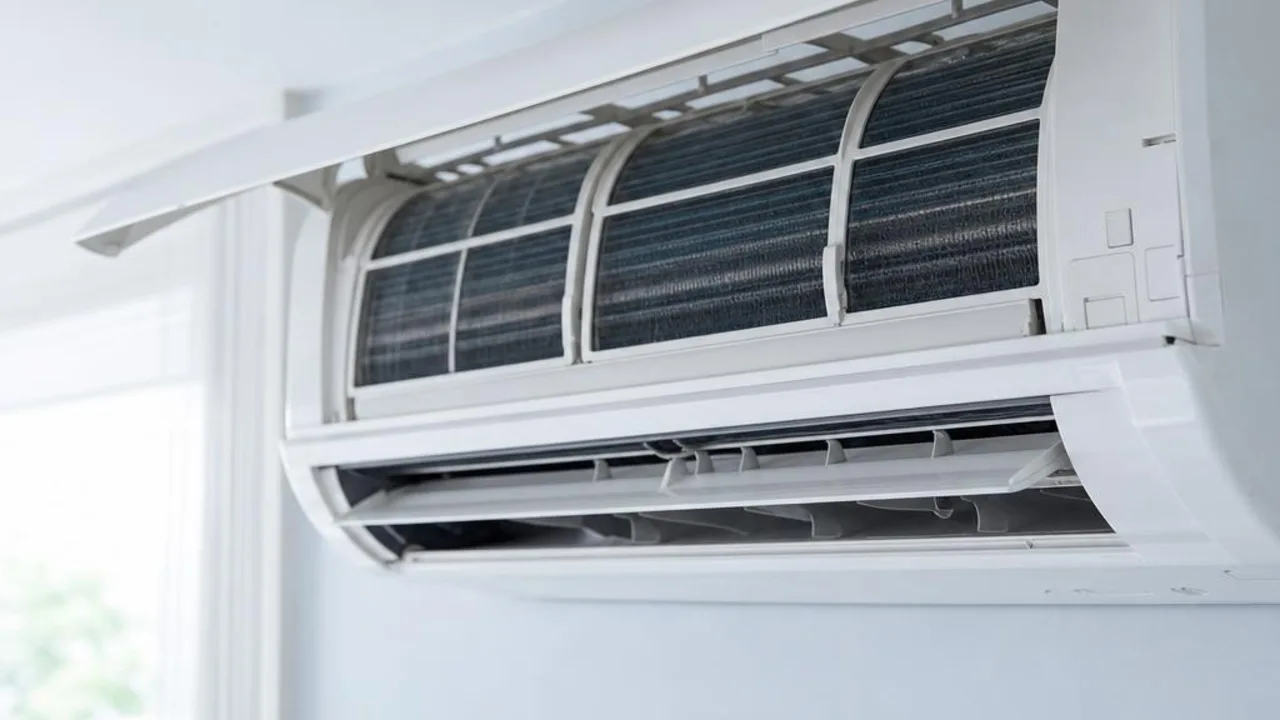
How do you remove an AC filter in autumn? Learn the correct cleaning technique!
Contents
As Hong Kong enters autumn, mornings and evenings start to cool down, and many families take the opportunity on weekends to do a major seasonal clean. Just as you are happily preparing to take out thick clothes and switch on the air conditioner to adjust the room temperature, a musty smell and a lot of fine dust suddenly blow out with the air, making everyone in the home sneeze repeatedly. Many people think the air conditioner is usually working fine, but they do not realise how serious dust build-up can be during the seasonal change. If you do not know how to properly remove and wash the dust filter, it will not only increase the concentration of airborne particles indoors, but also significantly increase the air conditioner’s electricity consumption. So how can you properly remove and clean the air-conditioner dust filter during autumn cleaning to create a fresh, low-allergen living environment at home?
Why do allergy symptoms get worse when switching on the AC during seasonal changes? Uncover the crisis of dust mites and dust build-up
Hong Kong is coastal, and the climate is humid and changeable, so homes often accumulate dust, mould and various fine particles. During the hot summer, AC units run for long hours, and the filter traps a large amount of skin flakes, hair and fine dust from the air. When autumn arrives and temperature and humidity change, the dust inside the unit begins to dry out and spread with the airflow. If the unit is switched on without cleaning during this period, the dust that has built up over months may be blown around and irritate the respiratory tract. Understanding why dust accumulates is the first step to effective autumn home cleaning.
What are the most common mistakes when removing and cleaning the dust filter? Avoid the traps that damage parts and stir up fine dust
Many homeowners, when doing autumn cleaning, rely on instinct to dismantle the AC, but end up not only failing to achieve the desired cleaning result, but also causing unnecessary secondary damage to the unit. We have compiled the practical comparison table below to break down common misconceptions:
Common cleaning mistakes ❌
Actual negative effects brought by this ⚠️
Smart and practical improvement tips 💡
Scrubbing the dust filter hard or using a stiff-bristle brush
It can easily tear the fine mesh, causing the filter to deform or even lose its filtering function
Use a soft-bristle toothbrush with mild detergent and gently scrub along the grain
Reinstalling the unit before it is fully dry after cleaning
Residual moisture mixed with dust inside the unit can instead speed up mould growth and cause a musty smell
Leave it to air-dry in a cool place. Make sure there are no water droplets before reinstalling it into the unit
Wipe or brush the operating unit directly with a dry cloth or feather duster
Fine dust accumulated on the surface is blown into the air and inhaled into the respiratory tract
Gently wipe the casing with an анти-static microfiber cloth to reduce the spread of airborne particles
The comparison above shows that mistakes in the details can greatly reduce cleaning results, and may even create new health risks that were not there before.
How to properly dismantle and clean an air-conditioner filter? Practical steps for effective dust prevention in autumn
To safely and efficiently clean the AC filter during autumn deep cleaning, it is important to master the standard steps. Blindly dismantling parts can scratch the casing and may also damage the clips:
- 💡 Step 1: Safely turn off power and open the casing: Before cleaning, be sure to switch off the AC power first. Hold both sides of the panel with both hands and gently lift the casing upward to expose the filter inside.
- 💡 Step 2: Carefully pull it out and vacuum away loose dust: Gently pull the filter down and out of the slot. Before washing, it is recommended to use a vacuum cleaner with a soft-bristle brush attachment to remove the heavier dust on the mesh, so large amounts of dust do not flow directly into the sink and cause blockage.
- 💡 Step 3: Gentle washing and air-drying in a cool place: Rinse from the back toward the front with a shower head (the opposite direction of where the dust originally settled), using a small amount of neutral detergent. After washing, place it in a well-ventilated area to air-dry naturally.
How can indoor air stay fresh in autumn? Daily dust-control tips to keep dust from flying around
In addition to regularly cleaning the air conditioner dust filter, during the autumn seasonal change, the dust-control management of the whole home also needs more attention. When autumn winds blow, fine outdoor dust can seep into the room through window gaps and mix with dust already accumulated on corners or furniture surfaces, forming hidden allergens.
To keep indoor air fresh, you can make better use of a microfiber electrostatic mop or dusting sheets in daily cleaning to clean the floor, and avoid traditional dry sweeping tools that stir up dust. At the same time, when packing away seasonal clothing, avoid shaking thick quilts or coats vigorously inside the room, so skin flakes and dust do not get re-suspended in the air. With these small adjustments to daily habits, you can effectively support the results of filter cleaning and keep the home dry, comfortable and low-allergen, with easy breathing.
Seek help from a professional team
If there is still an odour or poor cooling performance after you clean the filter yourself, it may involve internal dust build-up in the mechanism, and you are advised to arrange for a professional to inspect and perform a deep clean.
Frequently Asked Questions (FAQ)
Q1: In autumn, how often should AC dust filters be cleaned?
A: It is generally recommended to clean it once each during seasonal changes (such as the shift from spring to summer and from late summer to early autumn). If a household member is prone to allergies or there are pets, dust accumulates faster, so this can be shortened to once every three to four weeks.
Q2: Can hot water or bleach be used when cleaning the dust filter?
A: It is not recommended to use very hot water or strong bleach. Air conditioner filters are usually made of plastic, and overly hot water can cause them to warp or shrink. The strong chemicals in bleach may also speed up plastic ageing. Clean water or a mild neutral detergent is sufficient.
Q3: Why is there still a strange smell when the filter is reinstalled right after washing?
A: The dust filter may be clean, but the evaporator or blower inside the AC may already have a large amount of mould buildup. If the smell continues, it usually means the internal unit needs professional high-pressure cleaning to improve effectively.
Related reading and services
- Related service scope and current charges
- Back to AC encyclopedia
- Daikin: operating manual for specified FTXL/ATXL models


Want to arrange AC cleaning or maintenance?
OPOExpert Air Conditioning provides residential and commercial AC cleaning and maintenance with clear pricing. Enquiry first or book online directly