
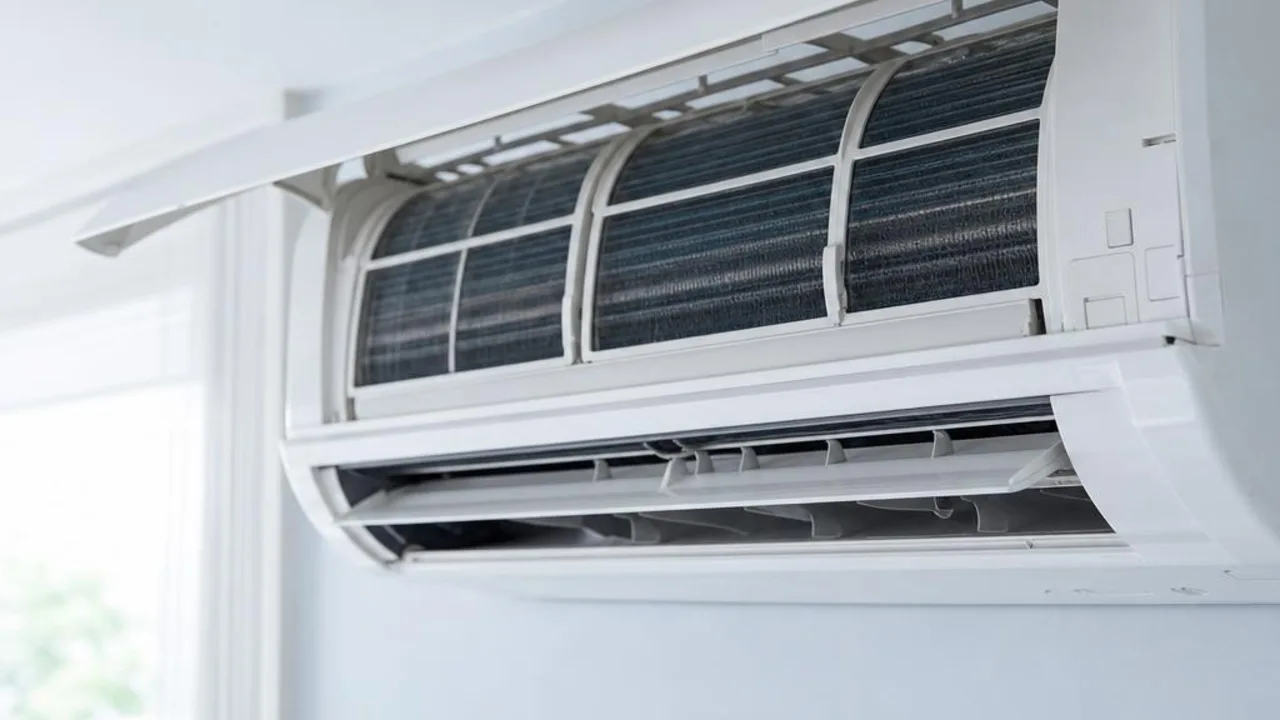
What should be prepared for ducted AC cleaning? Access opening, ducts and internal unit area
Contents
Before cleaning a ducted AC, first confirm the unit, access opening, return-air filter and duct locations. Cleaning the unit does not mean cleaning the entire duct run; suspended ceilings and high-level areas cannot be opened by residents themselves. Provide the location and accessibility before booking.
Why is ducted air conditioning cleaning necessary?
Dirt buildup may affect airflow and heat exchange, but poor cooling, odour or water dripping may also have other causes. Cleaning does not guarantee air quality or health, nor does it necessarily extend the life of the equipment.
Best time for cleaning
Maintain according to the manual, hours of use, dirt build-up, and site arrangements. Do not treat once or twice a year, or before and after every summer, as the standard for all ducted units.
Preparation before cleaning
Prepare the model, unit and access-panel location, ceiling height, business hours and details of the original fault; do not buy dismantling tools or cleaning agents first.
Confirm the on-site scope item by item
Power supply and site protection
Suitable staff will confirm the power supply, access and protection arrangements. Residents should not disconnect wiring or assume that laying newspapers is enough to protect appliances and decoration.
Air outlet and filter access
The filter may be located at the return air inlet or elsewhere, depending on the model. Only parts that the manual allows and are safe to reach should be maintained by residents; do not use a screwdriver to remove high-level air vents or ceiling grilles to take out the filter.
Ask about coils, fans, and ducting separately
Confirm whether the heat-exchange coil, fan and air duct inside the unit are each to be handled; do not put a vacuum cleaner into the air duct, and do not spray cleaner into the unit. The air-duct cleaning method must be assessed based on the actual system.
4. Clean the drain pipe
Whether the drain pan, pump and pipe section are included in the cleaning must be confirmed first. If there is leakage, record the location and time first, and do not clear the pipe, pour in chemicals or remove the pump yourself.
5. Clean the internal components
Internal disassembly, electrical protection and restoration will be arranged by the service staff. Residents should not remove the fan wheel, air guide blade, or wipe electrical parts inside the unit.
6. Check and replace the filter
Confirm the filter model, whether it is washable, and the replacement cost first; do not assume all filter media can be washed or are included in the cleaning fee.
7. Reassemble and test
Restoration and test-running are arranged by the service staff; please keep the completed scope and any follow-up items, and do not switch it on yourself to test whether the inside is dry.
Maintenance after cleaning
After cleaning, maintain the unit according to the manual and actual usage. Do not install a cover over the air outlet to block airflow, and do not treat all long operating hours as improper. If there is an abnormality, report it first and follow up as needed after inspection.
Professional service advice
Work involving indoor units, high-level positions, suspended ceilings or ducting should be assessed by qualified personnel, not only when residents are unsure. Work hours and property restrictions should be stated before booking.
For booking ducted unit cleaning, the key points are location details, accessibility and the scope of individual items, not learning the full DIY process. Separate cleaning and repair, duct work and extra pipe sections first.
Related reading and services


Need professional help?
Need to know about Residential air conditioning service? First check the service scope and arrangements, then provide the model and site details for enquiry