
How to properly clean air conditioning equipment after heavy rain
Contents
After heavy rain, air conditioning equipment may be affected by dust or moisture. Regular cleaning is a necessary maintenance procedure. This article will explain how to properly clean air conditioning equipment after heavy rain to ensure normal operation.
Understand the structure of AC equipment
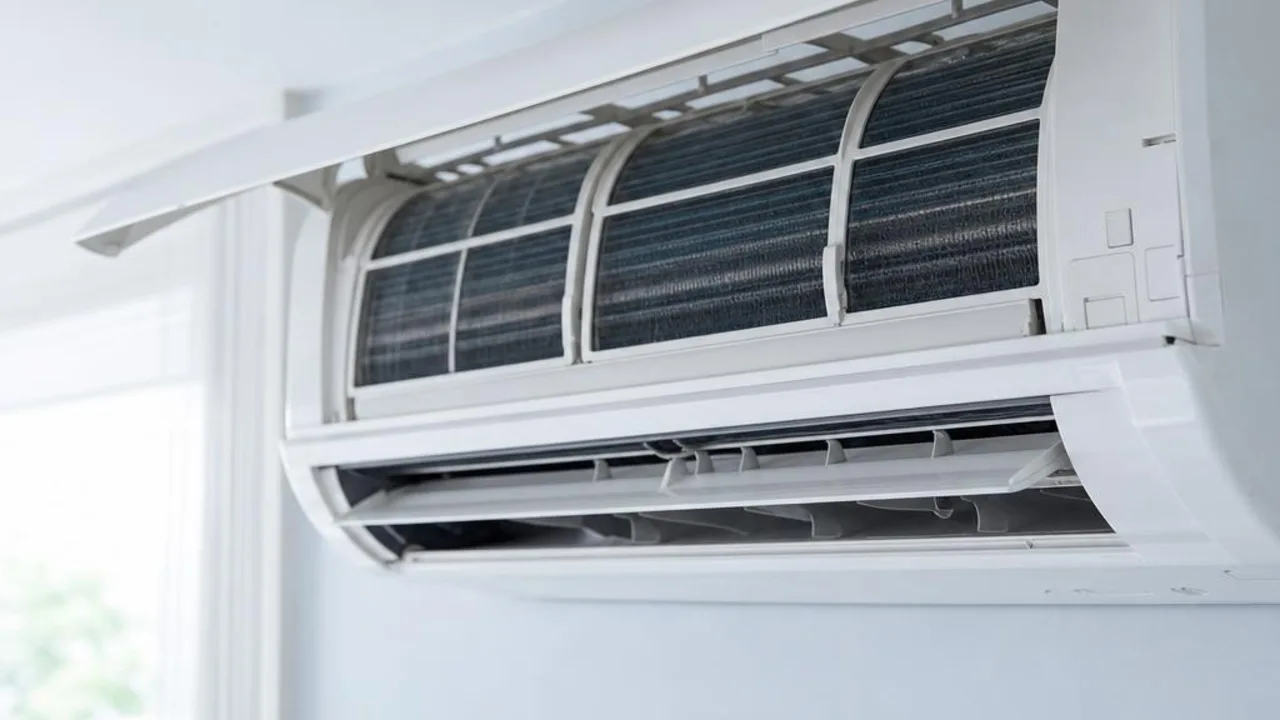
Before cleaning, it is very important to understand the basic structure of the air-conditioning unit. It mainly consists of the compressor, condenser, evaporator, and filter. Each part has a specific function, and understanding these can help you clean more effectively. In particular, the filter and condenser are more likely to accumulate dust and moisture in humid environments.
Step 1: Power Off and Prepare
Before carrying out any cleaning work, first make sure the air conditioning equipment is safe. Be sure to disconnect the power to the air conditioner to avoid electric shock or other accidents during cleaning. This is very important; safety always comes first.
Step 2: Clean the Filter
Filters are among the components of air conditioning equipment most easily contaminated. After removing the filter, rinse it with clean water and use a small amount of neutral detergent if necessary. After rinsing, make sure the filter is completely dry before putting it back into the air conditioner. Regular filter cleaning not only improves cooling efficiency but also helps improve indoor air quality.
Step 3: Inspect the Condenser and Evaporator
The condenser and evaporator are core parts of the AC. If these core parts need deposits removed, contact a professional technician to clean them with the proper tools. Routine cleaning should be limited to external dust removal and filter maintenance.
Step 4: Inspect the Drain Pipe
If there is dripping or suspected standing water, first record the location, time and any other abnormalities, and arrange an inspection to distinguish between the drainage pipe, drip tray and unit condition. Residents should not flush the pipe with water themselves, and should not treat drain cleaning as proof that there is no mould or other fault.
Find professional help
Although the steps above can help you with basic AC cleaning, professional cleaning services can sometimes better ensure your air conditioning equipment stays in the best condition. Professional teams have the knowledge and equipment to inspect and clean every detail thoroughly, especially internal mould and bacteria. This not only improves efficiency, but also helps protect the health of family members.
Cleaning air conditioning equipment after heavy rain is a task that should not be overlooked. With the correct cleaning steps, you can effectively improve operating efficiency, extend service life, and improve indoor air quality. Regular inspection and cleaning, together with professional help when needed, will help you create a healthier and more comfortable living environment. Remember, proper maintenance is key to ensuring long-term stable operation of the equipment.
Related reading and services


Want to arrange AC cleaning or maintenance?
OPOExpert Air Conditioning provides residential and commercial AC cleaning and maintenance with clear pricing. Enquiry first or book online directly