
The Impact of AC Dripping: Damage to Equipment and the Environment
Contents
An air-conditioning system is an essential part of modern life, especially in hot summer weather, as it provides a comfortable indoor environment. However, many users often encounter water dripping problems when using air conditioning. This not only affects the user experience, but may also damage the equipment and the surroundings. This article will discuss the impact of air-conditioning water leakage, including damage to the unit and negative effects on the environment, and provide corresponding solutions.
Damage to equipment
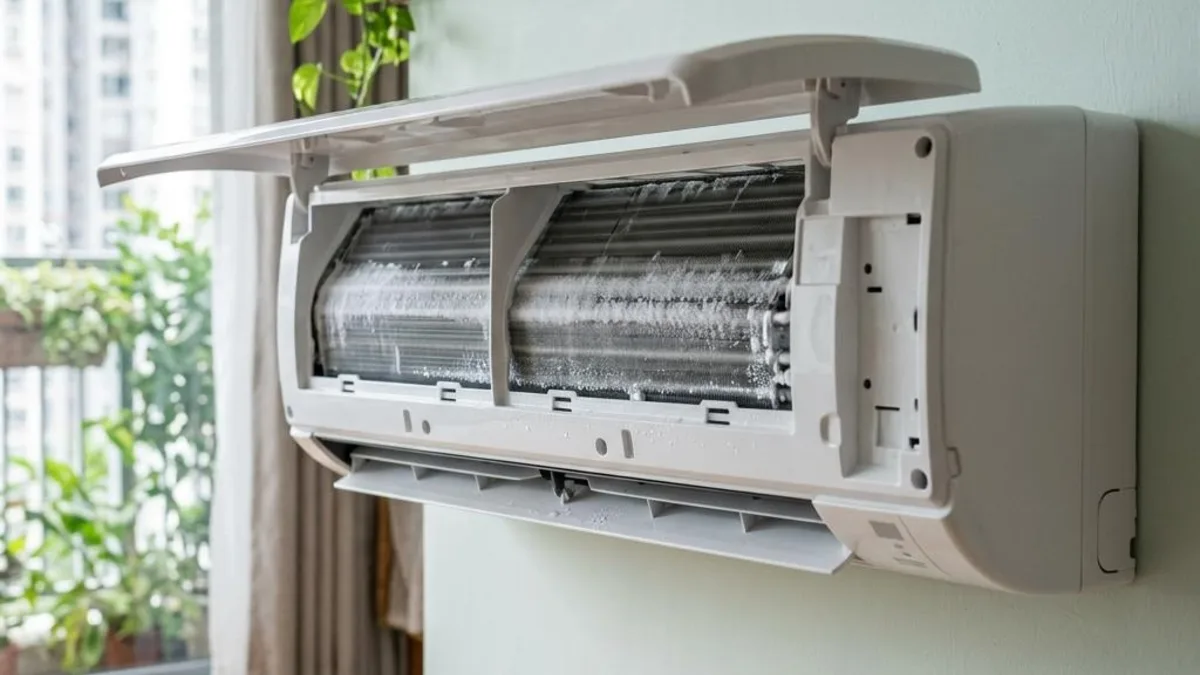
Water dripping problems in an air-conditioning system are mainly caused by poor condensate drainage. When the unit is running, water vapour in the room condenses on the cooling coil into water. Under normal conditions, this water should be discharged through the drain pipe. If the drain pipe is blocked or damaged, water will accumulate inside the unit and eventually cause dripping. Long-term dripping may damage the air-conditioning equipment in many ways.
First, standing water may cause rust inside AC equipment and shorten its service life. If the metal parts of the air conditioning system are soaked in water for a long time, corrosion will accelerate and cause equipment failure. Second, dripping water may also affect cooling performance, because moisture interferes with the normal heat exchange process, leading to higher energy use and operating costs. Ultimately, if this is not addressed in time, it may result in complete equipment damage and higher repair or replacement costs.
Negative impact on the environment
AC dripping not only affects the equipment; if water leaks onto the floor or surrounding area, it may leave the floor damp. To maintain a clean environment, it is advisable to address dripping as early as possible.
In addition, dripping can also waste water. Although the small amount of water discharged by an AC system may seem insignificant, it can add up over time and become a considerable waste of water. This is undoubtedly an added burden at a time of global water scarcity.
Preventive measures
To avoid equipment damage and environmental impact caused by dripping water from the air conditioner, regular inspection and maintenance are necessary. Users should regularly check the drainage system to ensure the drain pipe is clear and not blocked. In addition, keeping the unit clean and regularly washing the cooling coil and filter can improve cooling efficiency and reduce water dripping.
Find professional help
Although users can carry out basic checks and maintenance, seeking help from a professional team is the wise choice when facing complex problems. Professional AC repair technicians can perform a full inspection, determine the root cause of the leakage, and provide targeted solutions. In addition, a professional team can carry out systematic cleaning and maintenance to ensure normal operation and extend the service life of the AC equipment.
AC dripping can have a serious impact on both the equipment and the environment. Damage to the unit may shorten its service life and lead to high repair costs, while the negative effects on the environment may threaten users’ health and waste water. Therefore, regular inspection and maintenance are necessary to ensure normal operation of the AC system. Users should take this issue seriously and seek help from a professional team when needed to ensure a comfortable indoor environment and long-term stable operation of the equipment.
Related reading and services
Need professional help?
Need to know about AC repair service? First check the service scope and arrangements, then provide the model and site details for enquiry