
AC Cleaning: Essential Steps After Heavy Rain
Contents
After heavy rain, air conditioning equipment in many homes may be affected. Damp conditions can affect operation and may cause dirt to build up inside. Regular cleaning is therefore important to ensure the air conditioner works properly.
Inspect the exterior condition of the air conditioner
After heavy rain, pay attention to backflow of rainwater, damage to the casing or connections, and whether the outdoor heat-dissipation path is affected by debris; not every rain will block the condenser. Only observe from a safe indoor position; do not lean out, remove the cover or wash the outdoor unit. If there is water ingress or abnormal operation, stop using it first and inspect it.
Clean the Filter
Filters are among the components of air conditioning equipment most easily contaminated. After heavy rain, filters may collect mould and dust due to moisture. Remove the filter and rinse it with clean water, using a neutral detergent if necessary. After rinsing, make sure the filter is thoroughly dry before putting it back into the air conditioner. Regular filter cleaning not only improves operating efficiency but also helps improve indoor air quality.
Inspect the condenser and evaporator
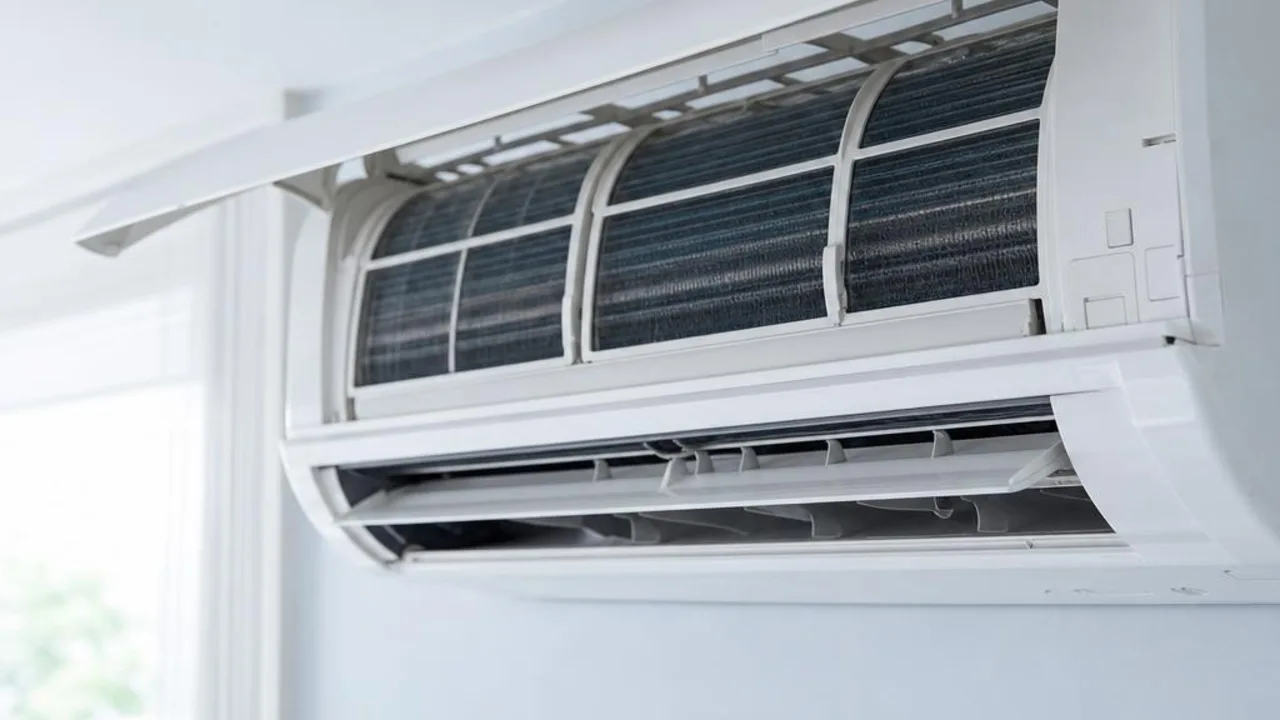
The condenser and evaporator are core parts of the AC, and these areas can easily collect moisture and dirt. When cleaning these parts, use a soft cloth to wipe gently, and avoid hard objects such as wire brushes so as not to damage the surface. If heavy dirt is found on the condenser, consider using a professional AC cleaner to clean it and keep the unit in optimal operating condition.
Inspect the drain pipe
Heavy rain does not mean the drain pipe is blocked. If there is water ingress, dripping, or abnormal power supply, record it first and stop using the unit if it is safe to do so, then arrange an inspection. Do not flush the pipe yourself or turn the unit on again to test it, and do not treat cleaning as a way to eliminate all sources of musty smell.
Clean the inside of the air conditioner
If dirt has accumulated inside the air conditioner, a thorough cleaning is recommended. Turn off the power, and use a dry cloth or vacuum cleaner to gently clean the interior, especially hard-to-reach corners. For deep-seated dirt, consult a professional to ensure efficient operation.
Find professional help
Although the steps above can help you with basic AC cleaning, professional cleaning services can sometimes better ensure your air conditioner stays in the best condition. Professional teams have the necessary skills and equipment to inspect and clean every detail thoroughly, especially internal mould and bacteria. They can provide effective cleaning solutions to restore the unit to peak performance.
Cleaning the air conditioner after heavy rain is a task that should not be overlooked. With the correct cleaning steps, you can effectively improve operating efficiency, extend service life, and improve indoor air quality. Regular inspection and cleaning, together with professional help when needed, will help you create a healthier and more comfortable living environment. Remember, timely maintenance and cleaning can extend the lifespan of the equipment and give you peace of mind.
Related reading and services


Want to arrange AC cleaning or maintenance?
OPOExpert Air Conditioning provides residential and commercial AC cleaning and maintenance with clear pricing. Enquiry first or book online directly