
Benefits of AC Cleaning | Why Should You Clean Your AC Regularly? A Deep Dive into the Importance and Advantages of a Clean Unit
Contents
As the scorching summer arrives, air conditioners have become indispensable household appliances in our daily lives. However, many people may overlook the importance of AC maintenance, leading to reduced performance, higher energy loss, and poorer indoor air quality. This article takes an in-depth look at why regular AC cleaning is needed and how to clean an air conditioner properly. It provides a detailed guide to help you understand the benefits and methods of AC cleaning.
Benefits of AC Cleaning | Advantages of a Clean Air Conditioner
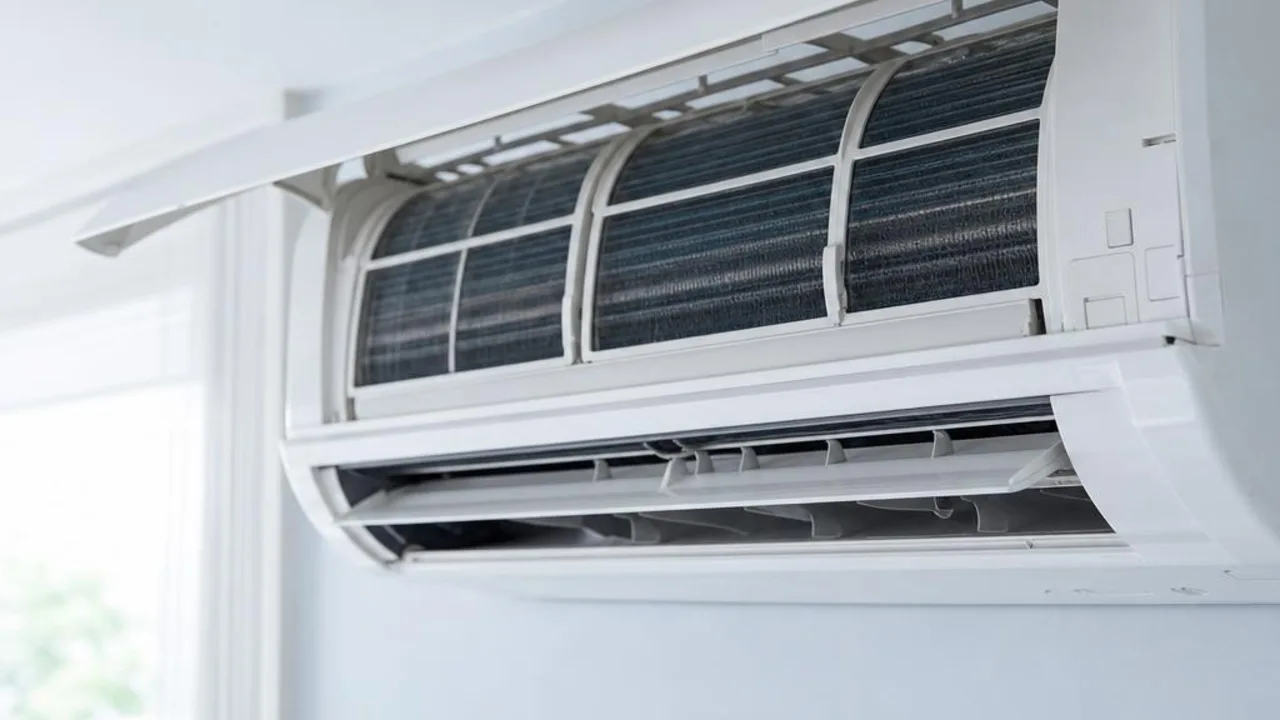
- Improve AC performance. During operation, parts such as the filters, evaporator and condenser easily collect dust and dirt. When these parts are clogged with dirt, airflow is restricted and AC performance drops. Regular AC cleaning can effectively remove this dirt and improve performance.
- Save energy: when air conditioner parts are covered with dust and dirt, the unit needs to use more energy to maintain the desired temperature. Regular AC cleaning helps improve energy efficiency, reduce power consumption, and save on electricity bills.
- Extend service life: Dirt and dust inside the AC accelerate wear on parts and shorten the lifespan of the unit. Regular cleaning helps reduce wear on components and extend the service life of the AC.
- Improve indoor air quality. During operation, an air conditioner draws in and filters indoor air. When the filter, evaporator and other parts are contaminated with dust, bacteria and mould, they can be released back into the room and affect indoor air quality. Regular AC cleaning can remove these contaminants, improve indoor air quality and benefit occupants' health.
How to properly clean an air conditioner?
To clean an AC properly, please follow these steps:
1. Disconnect power: before cleaning the AC, always cut off the power supply to ensure safe operation.
2. Remove the filter: Take off the front cover of the AC and remove the filter. Wash the filter with mild detergent and water, then let it air-dry naturally.
3. The scope of the indoor evaporator and outdoor heat exchanger will be confirmed separately, and cleaning will be arranged by staff according to the model, accessibility and materials; residents should not reach in or use a brush head, vacuum cleaner or spray to treat them.
4. Check the drainage pipe: Make sure the drainage pipe is clear to avoid standing water and dampness.
5. Carry out regular maintenance: The air conditioner needs regular maintenance to keep it working properly. During cleaning, check all parts for wear and replace them promptly if needed.
6. Seek professional help: if you are not familiar with AC cleaning and maintenance, it is recommended to seek help from professionals. Professional AC technicians can provide cleaning and maintenance services to ensure the AC runs efficiently.
Recommended frequency for air conditioner cleaning
Cleaning needs for air conditioners vary depending on the usage environment and air quality. Below are some suggested cleaning frequencies:
1. Filter: Clean at least once a month to keep air flowing freely and prevent dust accumulation.
2. Evaporator and condenser: Clean at least once a year. If air quality is poor or the AC is used frequently, cleaning may need to be done more often.
3. Full cleaning: Carry out a full cleaning at least once a year, including all components such as the filter, evaporator, condenser and drain pipe.
Related reading and services


Want to arrange AC cleaning or maintenance?
OPOExpert Air Conditioning provides residential and commercial AC cleaning and maintenance with clear pricing. Enquiry first or book online directly