
The relationship between air conditioner efficiency and cleaning
Contents
Cleaning can address airflow and heat exchange obstructions caused by dirt buildup, but it is not the only factor affecting AC efficiency. To assess results, distinguish between indoor airflow, outdoor heat dissipation and equipment faults, then compare performance under similar weather, settings and usage hours.
How AC Works
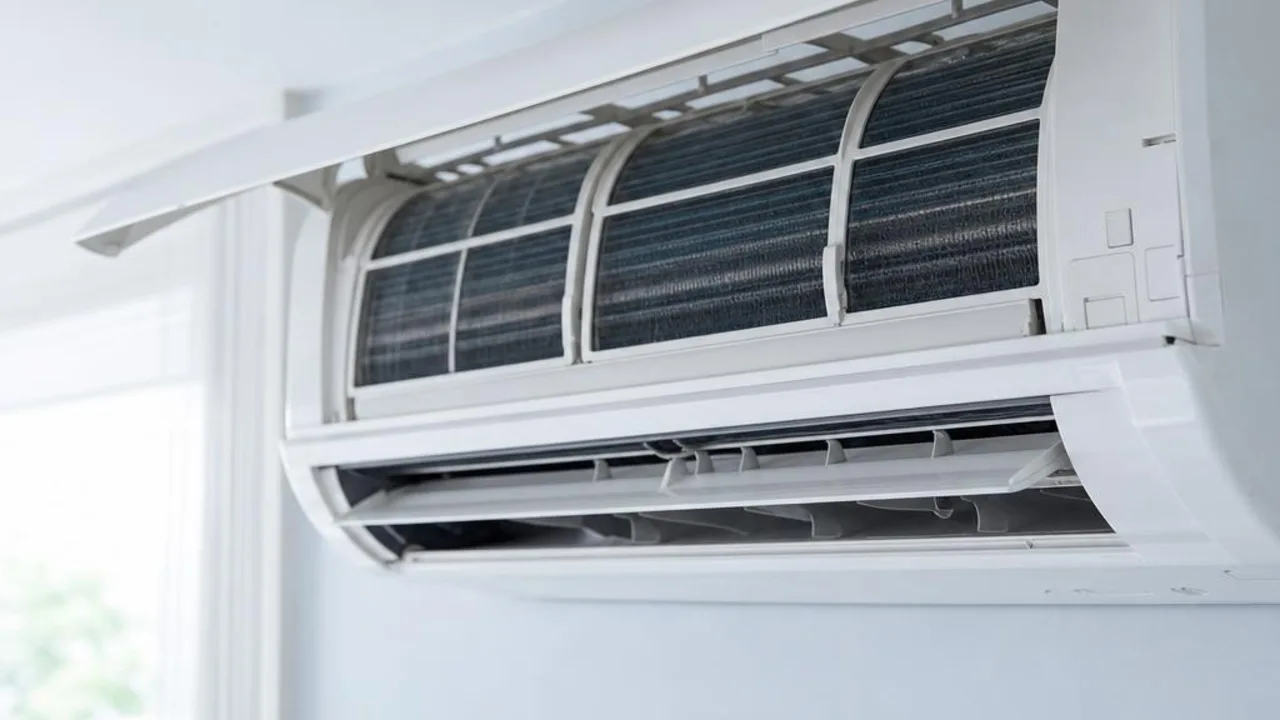
The main function of an air conditioner is to circulate refrigerant between indoors and outdoors, absorbing heat from indoors and releasing it outdoors. This process requires the coordinated operation of internal components including the compressor, condenser and evaporator. When the air conditioner is running, air is cooled as it passes through the evaporator and is then blown into the room by a fan. If dust and dirt accumulate inside the air conditioner, its operating efficiency will be directly affected.
Impact of cleaning on air conditioning efficiency
1. Reduce airflow resistance
Dirt on both the evaporator and condenser may obstruct airflow or heat exchange respectively; during cooling, the former absorbs heat indoors while the latter dissipates heat outdoors. Both can be affected by airflow resistance, so they can be discussed together despite their different locations, but the cleaning scope and method must be assessed separately.
2. Improve heat exchange efficiency
The efficiency of an air conditioner depends largely on the effectiveness of heat exchange. If the surfaces of the condenser and evaporator are too dirty, heat transfer efficiency will be affected, causing the unit to run longer to reach the required temperature. This not only increases electricity costs, but also causes the air conditioner to run excessively. Keeping the heat exchangers clean is therefore key to efficient operation.
3. Reduce failure rate
Checks before and after cleaning may reveal some dripping, unusual noise or airflow issues, but they do not mean all fault diagnosis has been completed. If motors, sensors or the refrigerant system are involved, separate inspection is still required, and cleaning alone cannot guarantee a lower failure rate for every fault.
Cleaning frequency and method
Cleaning frequency depends on the manual, hours of use, environment and dirt buildup. Do not rely on unnamed or unsourced 'experts' to set a once-a-year cleaning standard for all models. Residents should only do approved filter and exterior maintenance; internal parts should be handled by service staff.
Find professional help
When quoting, clearly state the indoor unit, outdoor unit, drainage and protection arrangements, and record any existing issues. Professional cleaning is also not a guarantee of restoring factory-new performance or extending a specific number of years. Results depend on contamination, materials and equipment condition.
When comparing before and after cleaning, record airflow, drainage, cooling and power use separately; if the problem remains, arrange a follow-up inspection, and do not assume one bill or one burst of cold air means everything has been resolved.
Related reading and services


Want to arrange AC cleaning or maintenance?
OPOExpert Air Conditioning provides residential and commercial AC cleaning and maintenance with clear pricing. Enquiry first or book online directly