

Practical Guide to Air Conditioner Humidity Control
Contents
Air conditioners are now deeply integrated into our daily lives. Especially in hot summers or humid seasons, the importance of humidity control in air conditioners is self-evident. This article will explore in depth how air conditioners control humidity, and how to choose and use an air conditioner with humidity control functions, in the hope of helping everyone create a more comfortable indoor environment.
The importance of humidity control in air conditioners
Proper humidity is important for everyday comfort. Excessive humidity can make people feel stuffy and may affect the indoor environment. Keeping humidity within a suitable range helps improve home comfort.
Therefore, using an AC unit with humidity control can help maintain a relatively comfortable indoor environment.
How to Control Humidity with an Air Conditioner
Generally speaking, while air conditioners regulate indoor temperature, they also affect indoor humidity. When an air conditioner is running, its condenser removes heat and moisture from the indoor air, thereby lowering both temperature and humidity.
However, some advanced air conditioners, such as inverter models, have more precise humidity control functions. These units have built-in humidity sensors that can detect indoor humidity in real time and automatically adjust the operating mode according to the set humidity range, keeping indoor humidity within an ideal range.
How to set the humidity on an air conditioner
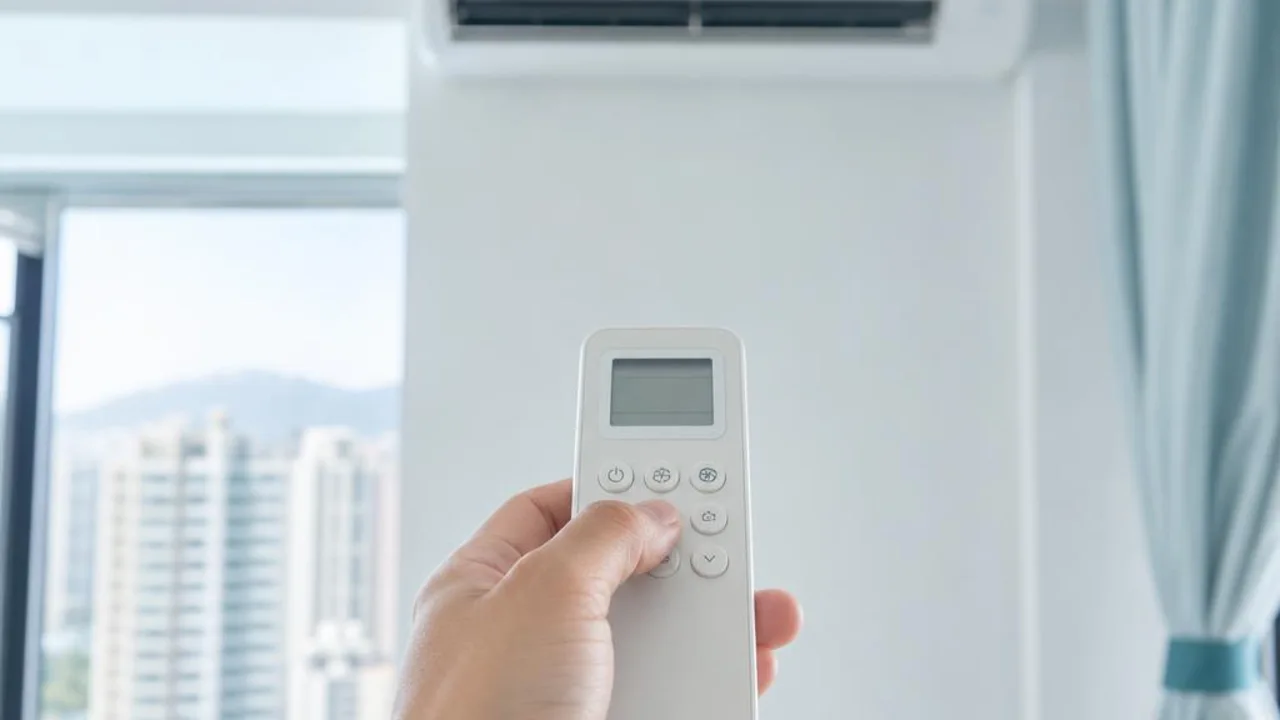
To set the humidity on the air conditioner, first confirm whether your unit has humidity control. If it does, you can usually find the corresponding setting on the remote control.
Generally speaking, the comfortable indoor humidity range is 40% to 60%, but this value is also affected by factors such as climate conditions, personal habits and health status, so you may need to make some fine adjustments to find the most suitable humidity setting for yourself.
Choose an AC with humidity control function
When choosing an air conditioner with humidity control, you should consider the following factors:
Humidity control accuracy: some high-end air conditioners have high-precision humidity sensors that can provide more precise humidity control.
Energy Efficiency Ratio: also consider the air conditioner's EER, that is, the ratio between its cooling capacity and energy consumption. A higher value means better energy efficiency.
Other features: for example timer, sleep mode, energy-saving mode, etc. These features can provide added convenience.
Price and brand: You should also consider your budget, as well as your trust in and preference for a brand.
Finally, remember that no matter which model of air conditioner you choose, regular cleaning and maintenance are essential. This not only helps maintain performance, but also extends its service life.
The humidity control function of an air conditioner plays an important role in creating a comfortable indoor environment. By understanding how an air conditioner controls humidity, and how to choose and set a unit with humidity control, we can make better use of this function and bring more comfort and health to our daily lives.
Related reading and services
Want to arrange AC cleaning or maintenance?
OPOExpert Air Conditioning provides residential and commercial AC cleaning and maintenance with clear pricing. Enquiry first or book online directly