
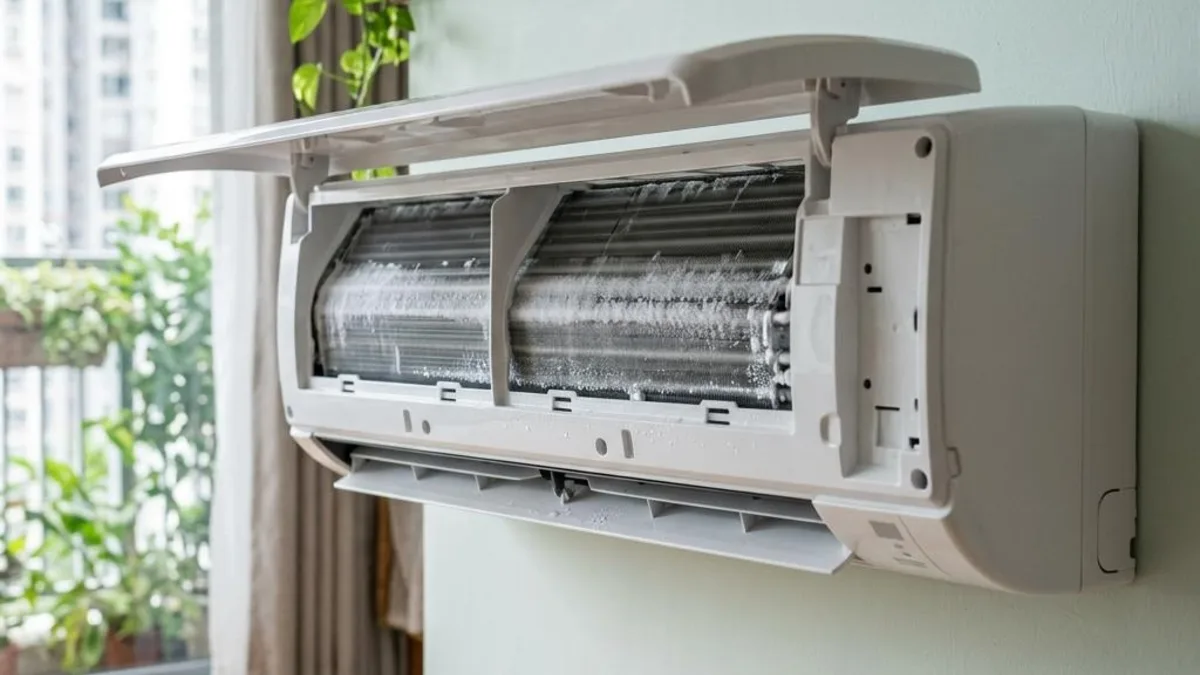
Air conditioner leaking | Solutions for air conditioner leaking
Contents
Air conditioner leaking is a common problem faced by many households in summer. To help you solve this issue, we share expert experience here and provide more detailed solutions.
Air conditioner leaking | Regularly clean the air conditioner
During use, dust and dirt in the air will attach to the filter and evaporator, reducing air conditioner efficiency and even causing water leakage. Regular cleaning is therefore an important measure to prevent leakage.
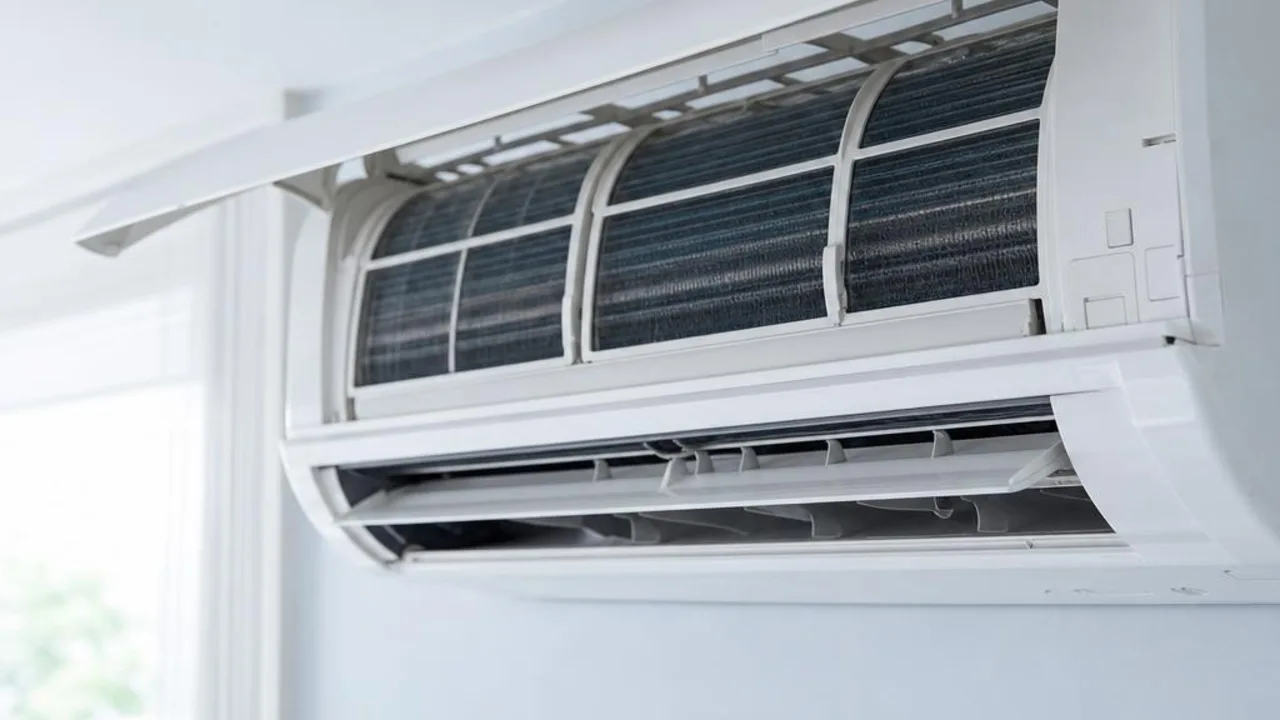
Dust filter cleaning: It is recommended to wash the dust filter every 2 to 4 weeks. Remove the filter, rinse it with water or vacuum off the dust, let it dry, then reinstall it.
Evaporator cleaning: it is recommended that the evaporator be inspected and cleaned by a professional at least once a year to ensure equipment performance. If abnormal operation is found, please contact a professional technician.
Air conditioner leaking | Check the drain pipe
A blocked drain pipe is a common cause of AC leakage. Below are methods for checking and cleaning the drain pipe:
Check the drain pipe connection: make sure the drain pipe is firmly connected, with no damage or deformation. Replace it promptly if the pipe is damaged.
Clean the drain pipe: if the drain pipe is blocked, you can have a professional repair technician clean it to ensure smooth drainage.
Install a drain pipe filter: To prevent blockage, a filter can be installed at the drain outlet. The filter can stop larger debris from entering the pipe and reduce the risk of blockage.
Air conditioner leaking | Check the condensate tray
A cracked or deformed condensate tray may cause water leakage from the AC. When checking the condensate tray, note the following:
Check whether the condensate tray is cracked or deformed: replace it promptly if damaged. If you are unsure whether the tray is damaged, contact a professional repair technician for inspection.
Check the condensate tray position: Make sure the condensate tray is below the evaporator to collect condensate. If the position is incorrect, adjust it promptly.
Air conditioner leaking | Ensure the air conditioner is installed level
If an air conditioner is installed unevenly, it may cause water leakage. The following shows how to ensure the unit is installed level:
Use a spirit level to check the AC: Place the spirit level on top of the AC to see whether it is level. If it shows the AC is not level, installation adjustment is needed.
Adjust the mounting bracket: if the AC is not level, adjust the bracket to make it level. For the outdoor unit, shims can be added under the bracket to level it; for the indoor unit, adjust the wall bracket to level it.
Request professional installation: if you are unsure how to ensure the air conditioner is installed level, you may contact a professional installer to ensure correct installation.
Air conditioner leaking | Check refrigerant level
Check the air conditioner condition: if performance declines, the evaporator may frost over. Please follow the steps below to inspect it.
Check the cooling performance of the air conditioner: if cooling performance has clearly declined, it may be due to insufficient refrigerant. Please contact a professional repair technician for inspection and refrigerant top-up.
Observe evaporator icing: if icing is found on the evaporator, switch off the AC and contact a professional technician for inspection.
Air conditioner leaking | Set the indoor temperature properly
Setting the indoor temperature too low may cause the evaporator to freeze, which can then lead to water leakage. Please follow the recommendations below for setting the indoor temperature:
Choose the right indoor temperature range: it is generally recommended to set the indoor temperature between 24 and 26 degrees, which can ensure comfort while reducing the risk of water leakage.
The set temperature cannot replace a leak diagnosis, and there is no universal 22-degree threshold that guarantees no icing. If there is icing or dripping, stop using the unit first and arrange inspection of airflow, drainage, insulation, and other faults. Do not keep it running at a low temperature or dismantle it yourself to remove ice.
In summary, AC water leakage needs to be handled from several angles. Regular cleaning and maintenance, keeping the drain pipe clear, checking the condensate tray, ensuring level installation, checking refrigerant levels, and setting an appropriate indoor temperature are all effective ways to avoid leaks. If you encounter difficulties, please be sure to contact a professional repair technician for assistance.
Find professional help
When an AC develops a water leakage problem, it is crucial to seek help from a professional team. They can quickly diagnose the cause of the leak, carry out a thorough inspection and cleaning, ensure the AC operates normally, prevent further damage, and protect your family’s comfort and safety.
Related reading and services
Want to arrange AC cleaning or maintenance?
OPOExpert Air Conditioning provides residential and commercial AC cleaning and maintenance with clear pricing. Enquiry first or book online directly