
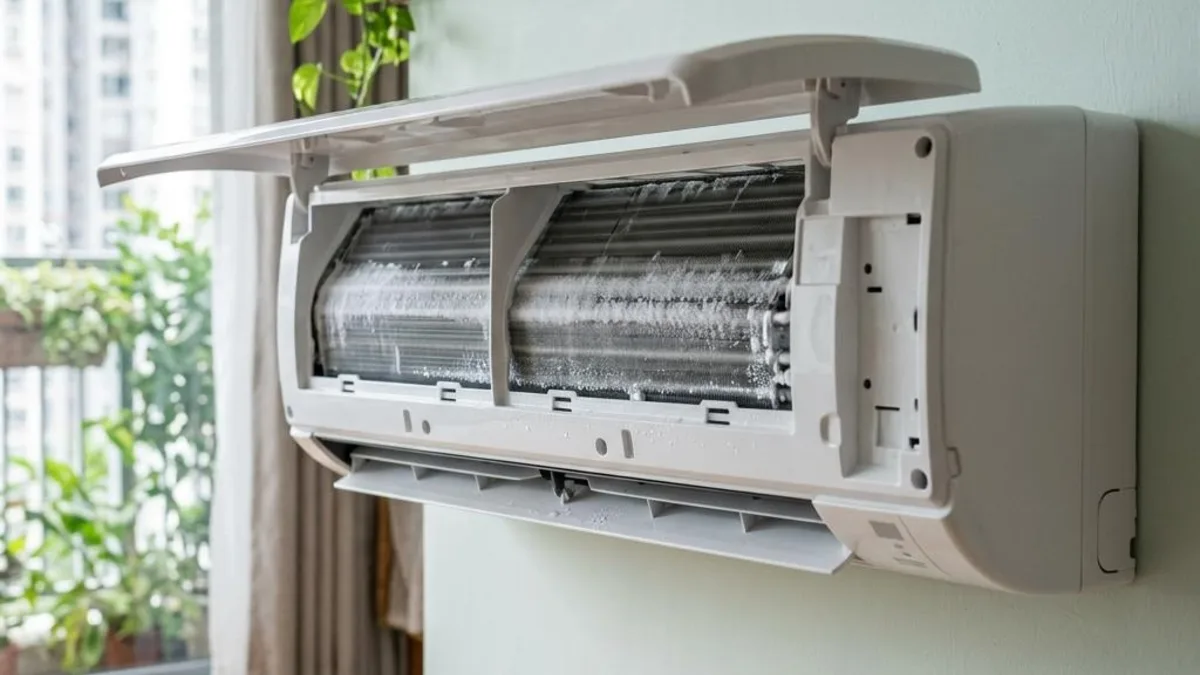
Water Dripping from the AC Casing | In-Depth Look at the Causes
Contents
Air conditioners are an essential part of daily life during the hot summer. However, a common and troublesome problem is water dripping from the casing. This may make the floor slippery or damage furniture, and it can even be an early warning sign of a fault in the unit. In this article, we will look in depth at the causes of this problem, provide solutions and share effective ways to prevent it from happening.
Water dripping from the casing | Cause
Poor condensate drainage
When an air conditioner is running, its cooling system absorbs and cools warm air, producing condensate in the process. This water is usually discharged through a dedicated drain line. However, if the drainage system is blocked by dust or dirt, or if the drain pipe is cracked, the condensate may not drain properly and can drip from the air conditioner's casing.
Incorrect installation location
The installation position of an air conditioner can also affect condensate drainage. If the unit is not kept level during installation, or if it is mounted too low, condensate may not flow smoothly into the drain pipe and can build up inside the unit, eventually causing water to drip from the casing.
Water dripping from the casing | Excessively humid environment
Humid climate conditions or indoor environments can cause an air conditioner to produce more condensation. If this moisture exceeds the unit's drainage capacity, it may lead to dripping problems.
Water dripping from the casing | Solution
Clean the drainage pipe
The first step when the AC casing drips water is to check whether the drain pipe is blocked. If you cannot handle it yourself, it is recommended to contact a professional for pipe clearing.
Adjust the position of the AC unit
If the installation position of the air conditioner is incorrect, its position needs to be adjusted to ensure it is level and at the proper height. If you cannot adjust it yourself, you can seek help from a professional air conditioner installer.
Reduce indoor humidity
In a humid environment, you can try using a dehumidifier or turning on the air conditioner's dehumidifying mode to reduce indoor humidity and lessen condensate formation.
Water dripping from the casing | Prevention
Regular maintenance and cleaning of the AC
Regular maintenance and cleaning help prevent dust buildup in the drainpipe that can cause blockages. Professional maintenance once a year is recommended, with filter checks as needed.
Proper AC installation
When installing an air conditioner, make sure it is positioned correctly and kept level. Also, the installation position should be high enough so that condensate can flow smoothly into the drain pipe.
Control indoor humidity
Properly controlling indoor humidity is also important to prevent water droplets from forming on the air conditioner casing. You may consider buying a dehumidifier and using it on humid days, and you can also use the air conditioner's dehumidification mode.
Water dripping from the AC casing is a common problem, but by understanding the cause and taking appropriate solutions and preventive measures, this problem can be effectively resolved. Remember that an air conditioner is an important appliance in daily life. Proper maintenance and care can ensure normal operation and extend its service life.
Related reading and services
Need professional help?
Need to know about Residential air conditioning service? First check the service scope and arrangements, then provide the model and site details for enquiry