
Why does leaving the air conditioner on all the time still lead to high electricity bills at 26 degrees?
Contents
Many Hong Kong households want to balance environmental concerns and their budget, so in summer they deliberately set the AC to the widely regarded most energy-saving 26 degrees and leave it running for long periods. Yet when the electricity bill arrives, they are surprised to find it still extraordinarily high. People often assume that simply setting it to 26 degrees will definitely save electricity, but from the perspective of building heat transfer, the AC’s own efficiency, and environmental variables, the temperature number is only the surface. Behind it are often many hidden causes of high power use. By objectively evaluating a few key factors and identifying the hidden drains on electricity, you can truly get rid of the problem of 'setting 26 degrees but still paying a huge bill'.
Physical causes of high heat storage and excessive external heat load in buildings
To discuss why it is still expensive to keep the air conditioner running at 26 degrees, first understand the physical process by which outdoor heat continuously enters the room. When the air conditioner is set to 26 degrees, if the home has severe west-facing sun exposure, no insulating blackout curtains have been installed on the windows, or the ceiling is high and the space is large, heat from outside will continuously conduct in through the walls and glass. In this situation, even if the air conditioner is blowing air at 26 degrees, the overall heat balance indoors still cannot truly stabilise because the environmental heat load is too high.
To fight the continuous influx of heat, the compressor of an inverter AC often cannot stay at the lowest energy-saving frequency for long. Instead, it needs to keep running at medium-to-high frequency. This "hot outside, cold inside" tug-of-war is a common hidden reason why the unit consumes a lot of electricity even when left on for long periods.
Debunking the myth of evaporator dust buildup and low heat-exchange efficiency
Another common myth is that if the thermometer shows 26 degrees, the air conditioner must be running in an easy, energy-saving state. However, this ignores the decisive effect of internal cleanliness on energy efficiency. If the air conditioner has not been cleaned for a while, fine dust, skin flakes, and kitchen grease in the air will stick firmly to the evaporator (aluminium fins) and blower wheel. This build-up forms a thick insulating layer that seriously obstructs heat exchange between the air and the refrigerant piping. When heat exchange efficiency drops, even if the remote is set to 26 degrees, the system still has to run under overload to reach the target temperature. This inefficient operation caused by dirt will make the compressor consume a large amount of electricity without being noticed.
Key self-check points for heat sources and poor air circulation at home
Before seeking outside help, users may first carry out a simple self-check and objectively review the home environment and usage habits. First, check whether multiple high-power electrical appliances are running at the same time, such as a large gaming computer, a TV left on for long periods, or audio-visual equipment. The heat emitted by these devices over time can directly raise the local temperature. Next, check whether the air outlet of the air conditioner is blocked by large furniture, such as a tall wardrobe or curtains, preventing cool air from circulating properly in the room and often causing the air conditioner to misread the room temperature and keep increasing the airflow. Also check whether the dust filter is heavily clogged. These checks can help identify the real reason for poor cooling efficiency.
Cost-benefit assessment of long-term continuous operation and component ageing
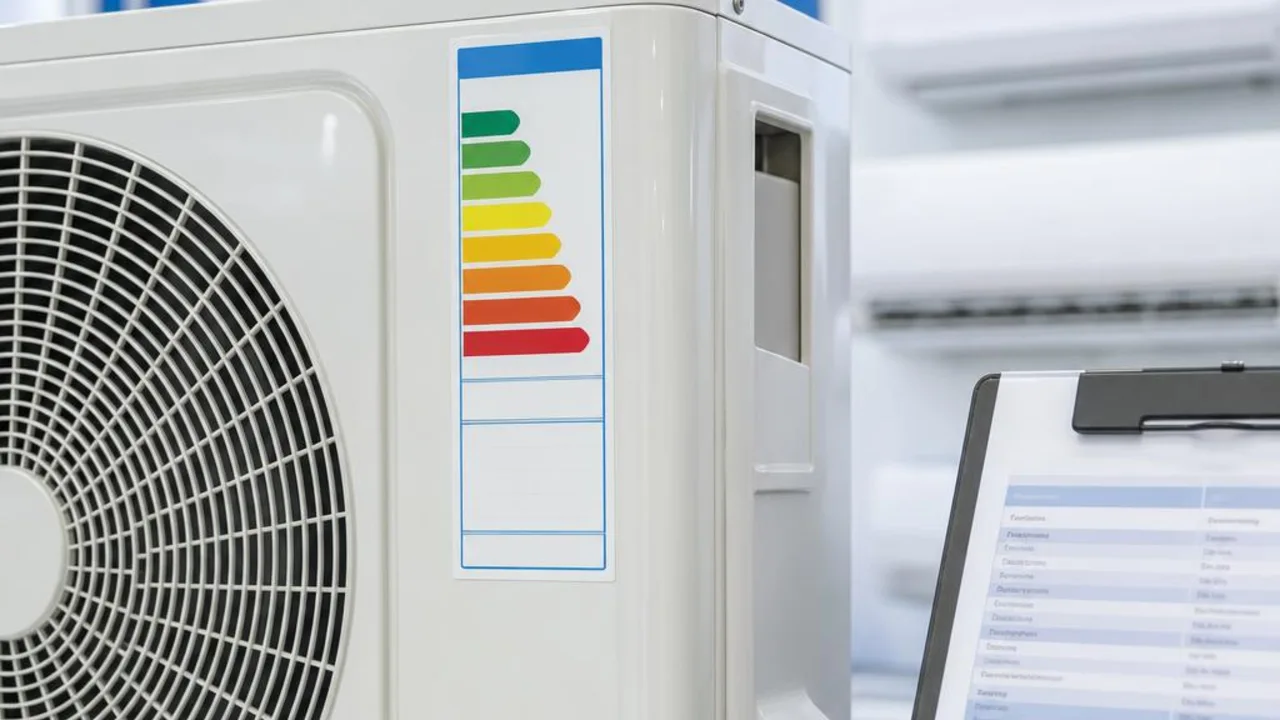
In addition to environmental and cleanliness issues, the mechanical ageing and long-term operation of the AC itself also need to be assessed in terms of cost-effectiveness. If the unit has been used for many years, the compressor efficiency gradually declines, there is a small refrigerant leak, or the temperature sensor malfunctions (for example, set to 26 degrees but actually sensing inaccurately), these structural issues will cause electricity consumption to rise sharply. From a long-term economic perspective, if the unit itself has already become less efficient, insisting on running it continuously at 26 degrees not only fails to save electricity, but may also accelerate wear on parts. At that point, objectively comparing the cost of repairs, deep cleaning, or replacing it with a new inverter model carrying a Grade 1 Energy Label is often more cost-effective than paying high electricity bills every month.
Seek help from a professional team
If you find that no matter how you set the AC to 26 degrees, your electricity bill remains high, it often means the issue goes beyond ordinary manual adjustment, and there may be hidden problems in the internal components or the drainage and heat dissipation system. Choosing a professional AC engineering team with extensive local hands-on experience to provide an objective assessment of the unit’s condition before cleaning and inspection, and using professional high-pressure equipment to thoroughly remove stubborn dirt deep inside the evaporator, can effectively help restore the AC’s proper heat-exchange efficiency. This not only delivers genuine energy-saving results, but also gives you a stable and comfortable cool environment during the hot summer.
Related reading and services
Want to arrange AC cleaning or maintenance?
OPOExpert Air Conditioning provides residential and commercial AC cleaning and maintenance with clear pricing. Enquiry first or book online directly