
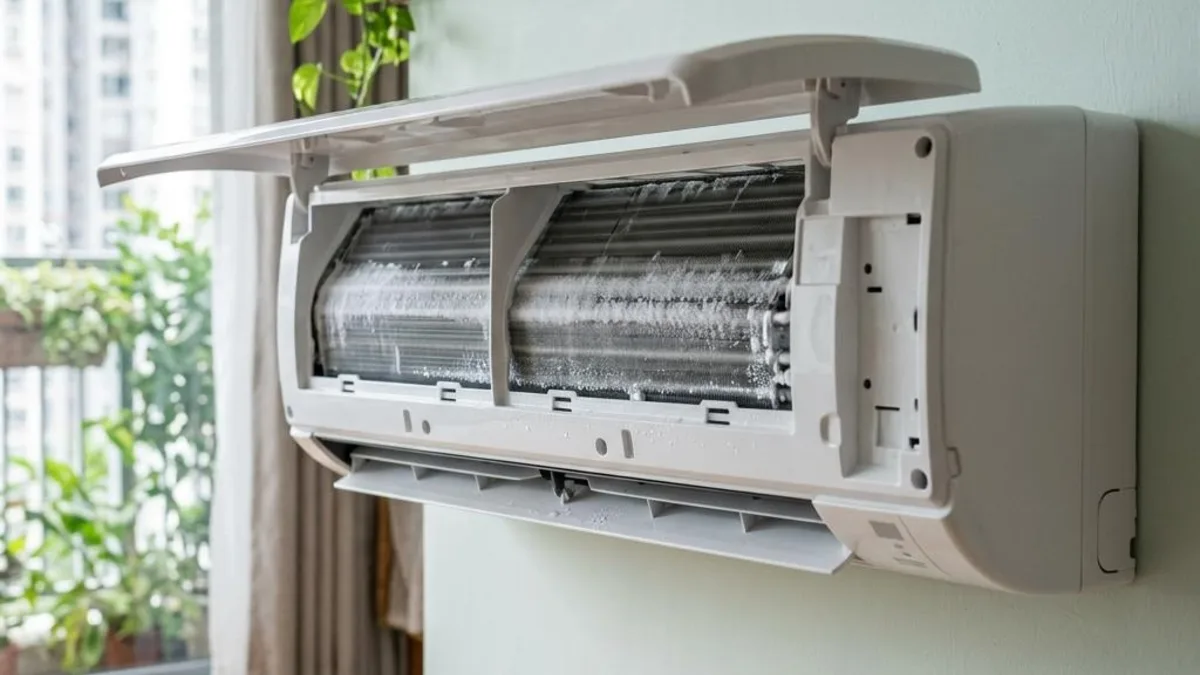
Causes of AC Dripping and How to Deal with It
Contents
During seasonal changes, when temperatures swing up and down, many households notice water dripping from their air conditioners. This is usually related to dirt buildup in the condensate drainage system or ageing pipes. AC dripping is not only inconvenient, but may also cause neighbour disputes. This article looks at how temperature changes affect drainage and explains how a professional AC cleaning team handles the issue.
Temperature fluctuations may affect AC cooling performance and sometimes change the amount of condensate. If dust has already accumulated in the drainage pipe, these changes may make drainage slower and lead to overflow. Therefore, AC maintenance should not be neglected even during seasonal changes
Many people think AC water leakage only happens in the peak of summer when the AC runs all day, but in fact the temperature swings during seasonal change put even more stress on the internal parts and drainage system. When the outdoor temperature suddenly drops from thirty degrees to twenty degrees, or when there is a large temperature difference within the same day, the cooling load and heat dissipation efficiency of the AC will fluctuate sharply. This temperature fluctuation causes the surface temperature of the metal evaporator inside the AC to become unstable, and the rate at which moisture in the air condenses will vary from moment to moment.
More importantly, when the temperature drops sharply, the small amount of residual water and dust accumulated in the drain pan can easily stick together and harden more quickly under temperature changes, forming a jelly-like sludge. These tiny blockages rapidly expand and harden under alternating temperature differences, directly obstructing the normal drainage path. As a result, the drainage speed cannot keep up with the rate of condensate generation, the water level overflows the drain pan, and eventually drips continuously along the exterior wall. This sudden dripping caused by temperature fluctuations often catches unprepared residents off guard.
Condensation and aging drain pipes: why temperature differences can cause severe pipe blockage
In addition to drain-pan blockages, the physical effects of temperature changes during seasonal transitions on the drain pipe itself should not be overlooked. In Hong Kong homes, air-conditioner drain pipes are mostly PVC flexible hoses that are long exposed outdoors to sun and rain. When the intense heat of summer is followed by the cooler weather of a seasonal change, the plastic material may become slightly hardened, brittle or deformed due to thermal expansion and contraction. If a drain pipe develops a slight dip or twist at a bend, drainage smoothness will be greatly reduced.
At the same time, when the air conditioner is running, the cold condensate passing through pipe sections with a large temperature difference can easily cause noticeable condensation inside the pipe. In the mixing of hot and cold air, moss and slime can grow faster. These deposits combine with dust drawn in from the air and gradually block the drain pipe. If the resident does not inspect the piping properly before restarting the air conditioner in a new season, backflow or serious water leakage often occurs as soon as it is switched on, and the internal wiring may even become damp and short-circuit, creating unnecessary repair trouble.
Wash the dust filter yourself or choose professional high-pressure AC cleaning? A guide to dripping causes and responses
When seasonal changes bring a risk of water dripping, many homeowners are unsure how to respond. To help everyone clearly understand the results of different prevention and cleaning methods, we have compiled the following practical comparison table:
Cleaning and Prevention Aspects 🔍
Simple self-cleaning (surface maintenance) ✨
Professional high-pressure AC cleaning (deep protection) ⚠️
Filter and panel cleaning 🧼
Clean surface dust and hair to maintain basic air intake
High-temperature sterilisation and deep cleaning at the same time to effectively remove odours
Drain pan and drainpipe cleaning 💧
Can only deal with visible surface water, not the scale and dirt inside the pipes
Use professional high-pressure air tools and special cleaning solution to clear the drain pipe and prevent blockages
Scope and limitations of dripping-water issues
It only treats the symptoms and cannot prevent internal blockage in the pipes caused by temperature differences.
Eliminate hidden dirt and moss residue at the source, and help prevent exterior wall dripping over the long term
DIY or hire a technician?
When you notice early signs of an air conditioner starting to drip, another common question is: should you try blowing through the hose to clear the drain yourself, or book a professional AC cleaning technician immediately? It is important to clearly define the "safe DIY range" and the range that requires professional expertise. Your safe DIY range is mainly limited to regularly removing and washing the indoor unit's detachable dust filter, gently wiping dust from the casing with a dry cloth, and checking whether the indoor drain hose connection has obviously come loose. These light tasks help maintain day-to-day AC operation.
However, do not blindly poke at clogged drainage pipes mounted high on external walls, deep sticky blockages inside the evaporator, or the need to open the casing and clean the drain pan yourself. Because the structure of an air conditioner is delicate, and most drainage pipes are in dangerous external-wall locations, improper DIY handling will not only fail to solve the blockage but may also break the pipe or damage components. If dripping continues or the drainpipe is completely blocked, you must rely on a professional AC cleaning team.
Seek help from a professional team
If water leakage happens repeatedly, you can first stop using the unit safely and record the indoor model, leak location, time of occurrence and any notifications received, then arrange an inspection. Cleaning built-up dirt, clearing the drain, repairing damage and adjusting installation are different tasks. The scope of work and any extra charges must be confirmed separately, and we do not promise that high-temperature or high-pressure cleaning will solve every problem.
Frequently asked questions
Q1: Why does AC dripping become more common when summer ends and autumn begins?
A: Because heavy summer use accumulates a large amount of dust and skin flakes. Combined with the large temperature changes during seasonal transition, the remaining moisture and dust in the drain pan speed up the growth of slime; when the drain outlet is blocked, condensed water cannot drain out and will overflow and drip down the exterior wall.
Q2: If I receive a notice from the building management office or the Food and Environmental Hygiene Department about water dripping from my air conditioner, what should I do first?
First read the notice content and handling deadline, record the dripping from a safe location, and arrange for suitable personnel to determine the source and handle it. Management office notices, FEHD notices and legal procedures should not be mixed together; follow the notice and current official guidance for the handling requirement, and do not dismantle piping or pour water into the unit for testing.
Q3: How can I prevent the air conditioner drain pipe from blocking in daily life?
A: It is recommended to clean the indoor unit’s filter every two weeks to one month to prevent excessive dust from being drawn into the unit by the airflow. At the same time, before and after seasonal changes, regularly check whether the drain pipe is discharging water smoothly, so as to reduce the chance of blockages causing dripping.
Related reading and services
- Related service scope and current charges
- Back to AC encyclopedia
- FEHD: Guidance on AC dripping water nuisance and inspection and maintenance
Need professional help?
Need to know about AC repair service? First check the service scope and arrangements, then provide the model and site details for enquiry