
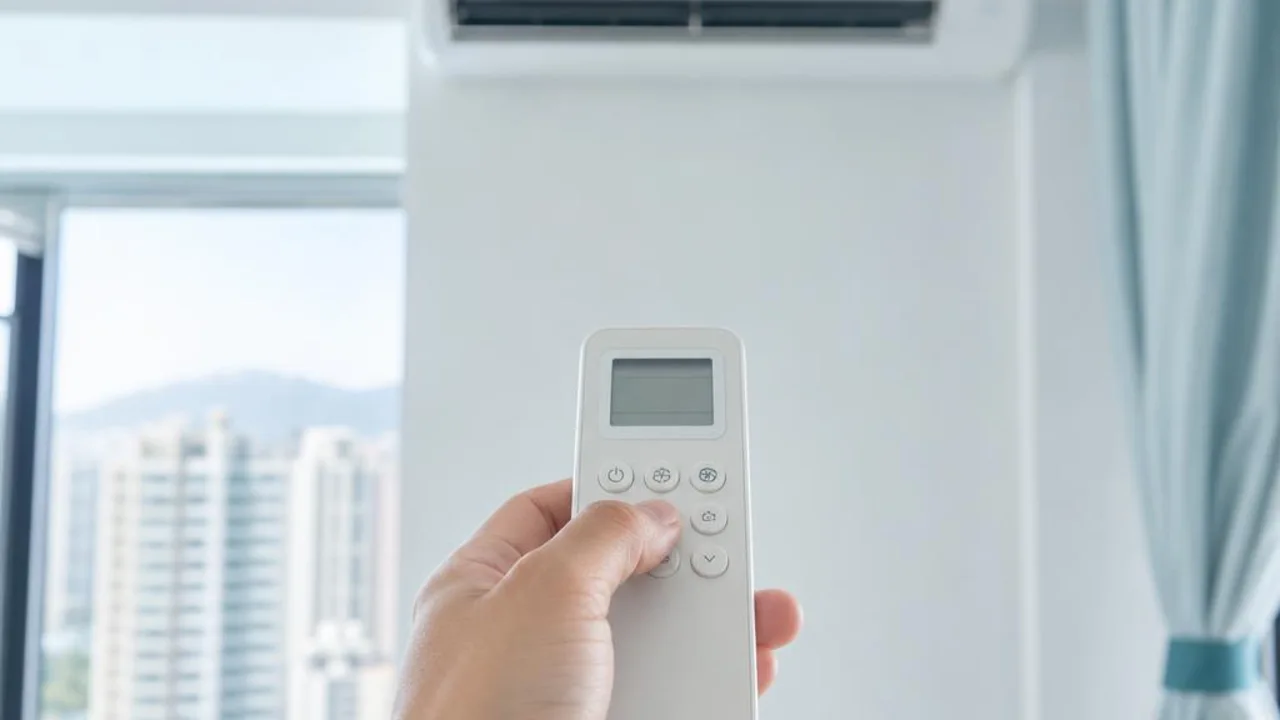
Can’t sleep comfortably with a thick blanket at 16°C air conditioning? Adjust the temperature, bedding and airflow first.
Contents
Setting the AC very low and using a thick duvet is not necessarily more comfortable. If you often feel too cold or too stuffy at night, adjust the temperature, airflow direction and bedding step by step; poor sleep or morning headaches can have different causes, so the cause cannot be judged from the AC setting alone.
Distinguish the AC setting from the actual feel.
The setting shown on the remote control is not the actual bedside temperature. Room size, heat sources, airflow direction and sensor position can all affect how it feels; you can record the environment by your bed and the time you wake up to help adjust settings, but this is not a medical diagnosis.
A thick blanket may not solve direct airflow or temperature differences
A thick blanket may make the body feel stuffy while the exposed parts feel cold; people respond differently. Do not assume a thick blanket will definitely offset low temperatures, and do not infer that deep sleep or REM sleep has been disrupted just because someone kicks off the blanket or turns over.
Key self-check points for sleep environment and thermal comfort
You may first direct the airflow away from the bedhead, then gradually adjust settings or bedding, changing one item at a time and observing comfort. Ongoing headaches, muscle pain or sleep problems should be assessed medically; AC cleaning should not replace a medical evaluation.
Balancing Sleep Quality and Air Conditioning Power Consumption
During cooling, a lower setting may increase cooling demand, but whether the compressor stays under high load for long periods still depends on the model and environment; it cannot be said to definitely use maximum power or speed up ageing. Aim for comfort without overcooling, and compare electricity use under similar weather and operating hours rather than applying one sleep-temperature rule to everyone.
Seek help from a professional team
If there is a clear difference between the settings and the actual cooling performance, or if there is unusual noise, dripping, or a fault light, provide the model and symptoms and arrange an inspection. The cause may involve airflow, sensors, installation, or other parts; cleaning cannot guarantee that temperature-control faults will be fixed or that sleep will improve.
Related reading and services
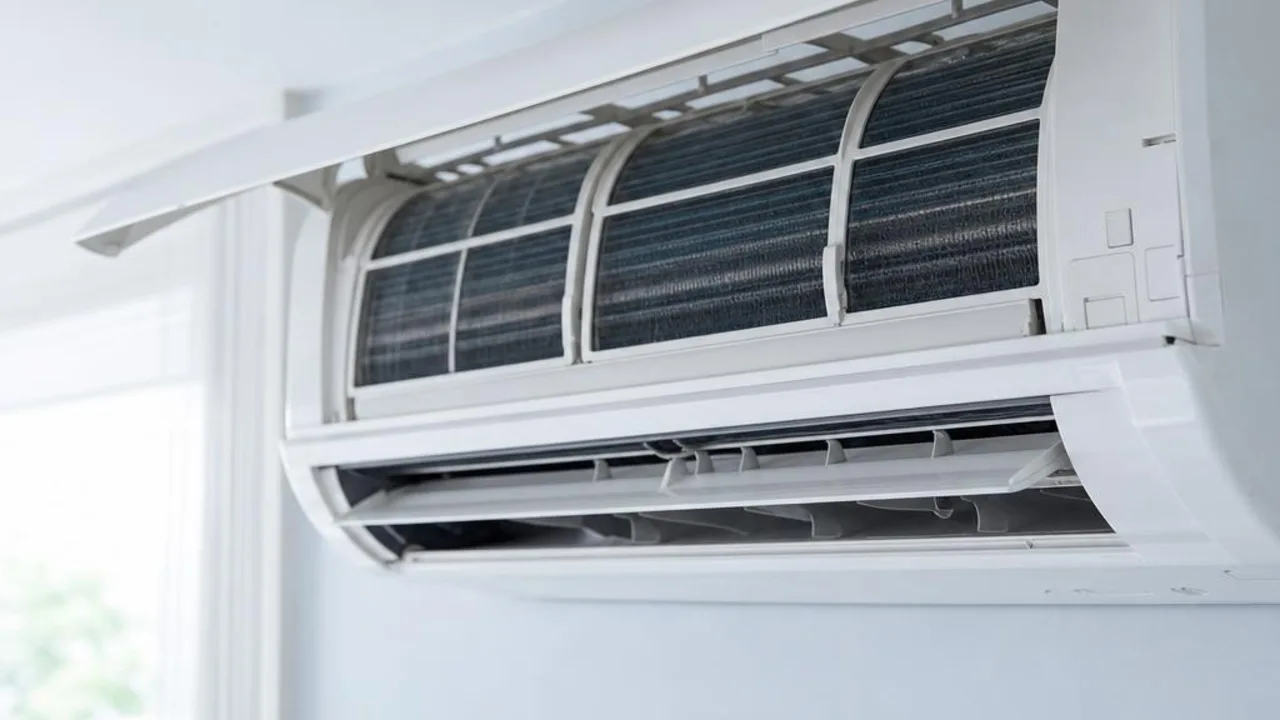
Want to arrange AC cleaning or maintenance?
OPOExpert Air Conditioning provides residential and commercial AC cleaning and maintenance with clear pricing. Enquiry first or book online directly