
How to Handle AC Dripping: Stop Use, Record and Inspect
Contents
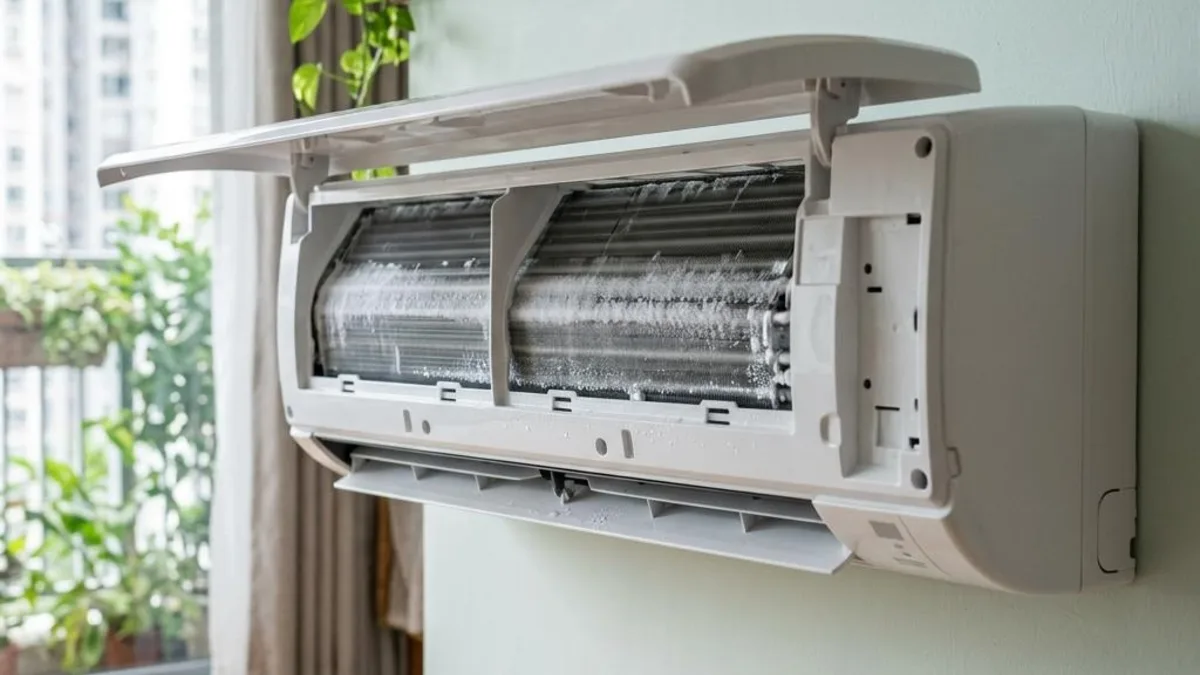
If an AC starts dripping, stop using it first, protect nearby items from a safe position and record where the leak is happening. Do not use auto mode, dehumidifying mode or timer mode as a substitute for inspection, and do not assume cleaning the dust filter alone will solve the issue; drainage, condensation, installation and components must be identified according to the site conditions.
Pay attention to the water and power supply locations
If water is near electrical parts, or there is a burning smell or a tripped breaker, do not touch wet switches or wires, and do not keep turning it on to test it. Only stop the unit in a proper way from a dry, safe location that does not require taking risks; record the symptoms for the service provider to assess.
Photo and record without dismantling the unit
Provide the model, the leaking area, when it occurs, and whether it happens only when switched on, after switching off, or when it rains. Take photos of the unit and installation from a safe position; do not remove the drain pan, water pipe, or casing to find the source, and do not lean out to inspect outdoor equipment.
Do not clear or adjust it yourself.
Do not insert a long brush, pour in pipe cleaner, flush the pipe with water, pull the connections, or change the bracket angle. Different models and drainage designs have different requirements, and there is no single level position, fixed height, or temperature that will always prevent leakage.
Confirm cleaning and repairs separately
First let the service staff explain which causes have been confirmed and which have not, then compare the scope and cost of cleaning, extra drainage treatment or parts repair. Existing dripping must be disclosed in advance; do not assume all problems are due to buildup, and do not expect cleaning to guarantee there will never be a leak again.
How should follow-up be handled after completion?
Keep the inspection, work and test-run records. If there is any further abnormality, stop using the unit first, note the symptoms and contact the service provider. Routine filter maintenance should follow the manufacturer's requirements and the actual amount of dust accumulated; do not apply a generic soaking time or treat mesh cleaning as a drain repair.
Related reading and services
- Related service scope and current charges
- Back to AC encyclopedia
- Daikin: operating manual for specified FTXL/ATXL models
- Consumer Council: split-type AC buying and usage tips
- Electrical and Mechanical Services Department: household electrical safety handbook
Need professional help?
Need to know about Residential air conditioning service? First check the service scope and arrangements, then provide the model and site details for enquiry