
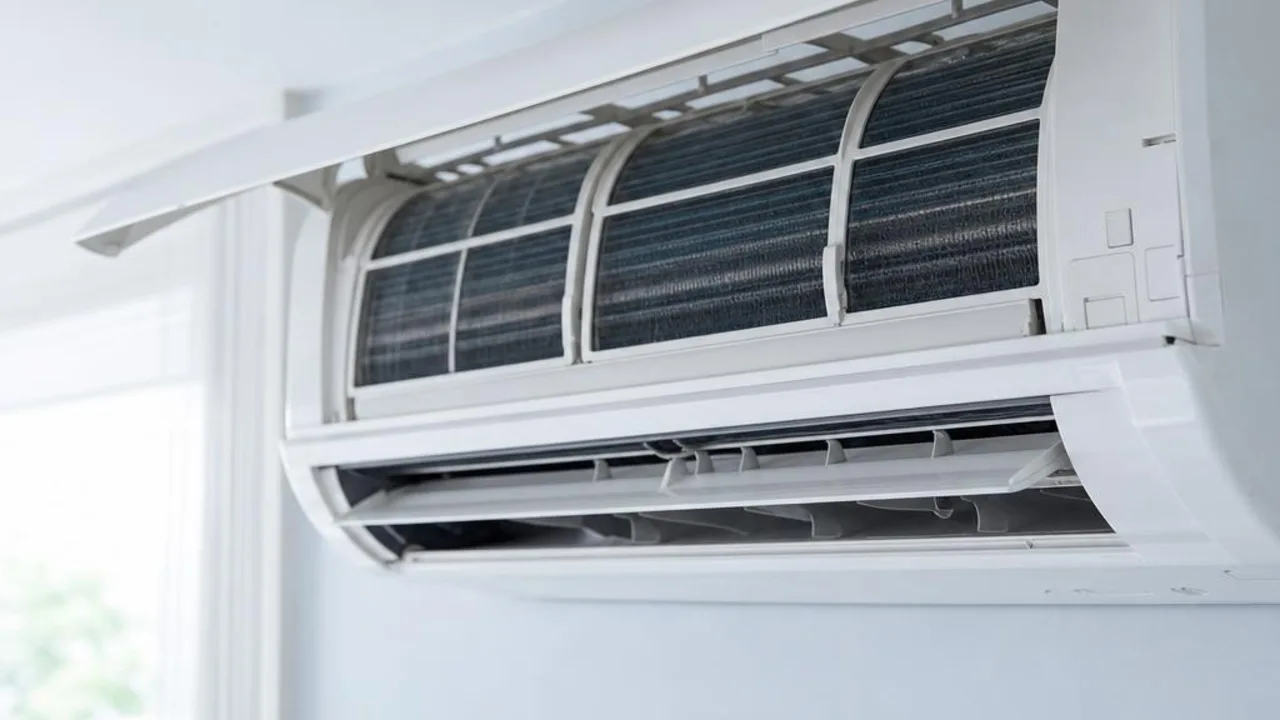
Which air conditioner symptoms need cleaning, and which should be checked first
Contents
Reduced airflow, odour, higher electricity bills, or unusual noise may be signs that need follow-up, but they should not all be treated as 'AC cleaning' straight away. First record the changes and distinguish between dirt build-up, usage conditions, and possible faults; if a breaker trips, there is a burnt smell, or water is near the power source, stop using it first.
1. Reduced AC performance
If cooling is slow, first record the settings, usage time and changes in airflow. Dirt build-up is only one possible cause. Residents should only maintain filters that are safely accessible according to the manual, and should not scrub internal heat-dissipation parts themselves; if it still does not cool properly, further inspection is needed.
2. AC has an unusual smell
The source of odour may be inside the unit, in the drainage system or in the surrounding environment, and smell alone cannot determine germs or condenser blockage. Do not spray chemicals into the unit, brush the condenser or cover the smell with fragrance. Record when it started and arrange an assessment. If there is a burning smell, stop using it immediately.
3. High energy consumption
When electricity bills change, first compare usage hours, weather, electricity rates and other appliances; do not directly blame the AC being dirty. Record the operating condition before assessing it. Do not dismantle and clean the fan or heat exchanger yourself, and do not guarantee that the electricity bill will definitely go down after cleaning.
4. When abnormal noise appears
Unusual sounds may involve the blower wheel, fixing points or other parts, and cleaning may not solve it. Do not insert tools or dismantle the unit to inspect the motor or compressor. If there is obvious rubbing, vibration or other danger signs, stop using it and arrange an inspection.
5. Clogged filter
Filter maintenance should follow the model requirements. Only filter media that are allowed to be removed and washed should be handled; do not soak non-washable filter media. If the specifications or damage are unclear, ask the manufacturer or service staff first.
Keep the model, service records and abnormal-condition records, and arrange maintenance according to the manual, usage and dirt build-up. There is no universal rule that all home air conditioners must be professionally inspected at least once a year. An existing fault does not mean it is due for routine servicing.
Maintenance should be arranged according to the actual situation, not with filter cleaning every month by default. Heat dissipation and spacing for the outdoor unit should follow the manufacturer's requirements. Residents should not lean in to clean it, and should not add a sunshade or modify the bracket themselves; any obstruction may affect heat dissipation and safety.
First explain the symptoms and usage changes clearly so the job can be routed to cleaning, inspection or repair. Cleaning targets dirt buildup and is not a guaranteed fix for every symptom, power issue or health concern.
Find professional help
Enquire about TimesProvide when it started, whether it is continuous, and photos that can be safely taken. Existing faults, extra inspection, and cleaning scope should be confirmed separately; residents do not need to dismantle the unit first to find the cause.
Related reading and services


Want to arrange AC cleaning or maintenance?
OPOExpert Air Conditioning provides residential and commercial AC cleaning and maintenance with clear pricing. Enquiry first or book online directly