
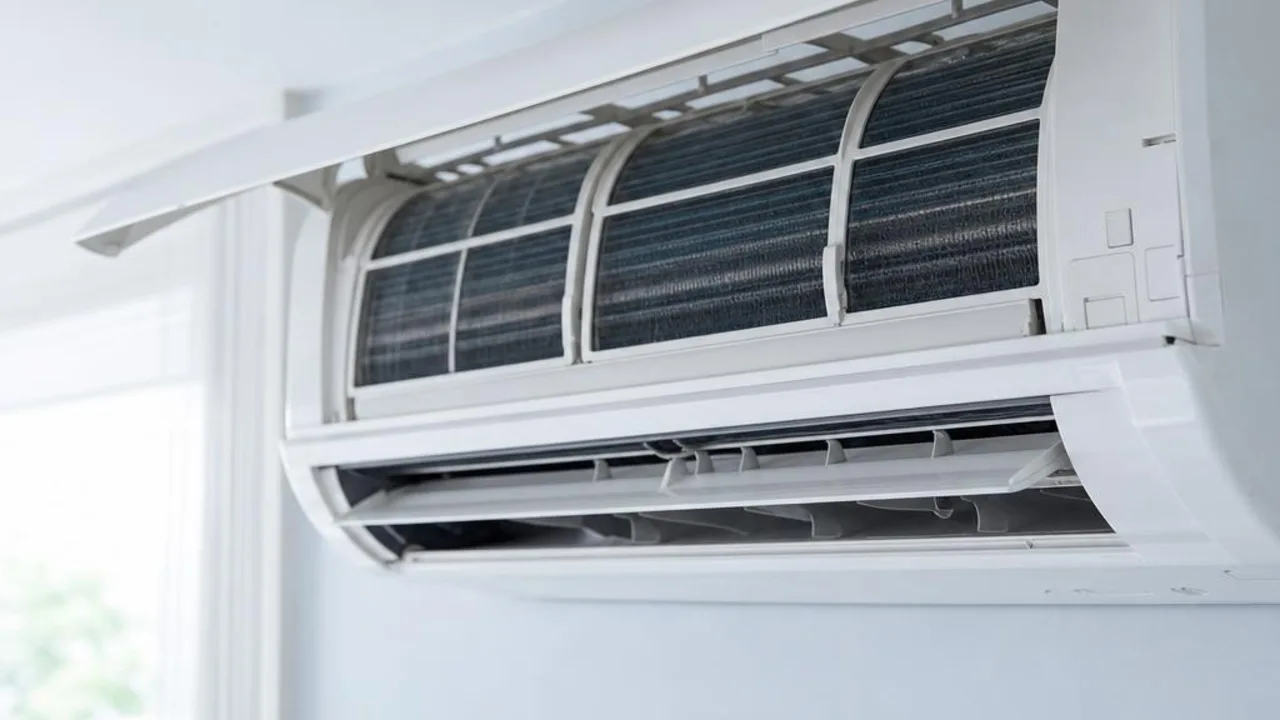
Before cleaning a wall-mounted split AC: residents take photos, clear the space below the unit, and report any fault
Contents
When booking wall-mounted split AC cleaning, residents should first prepare photos of the model, the indoor unit and the outdoor unit where it can be safely photographed, clear the working space under the unit, and explain any existing water leakage, poor cooling or tripping issue. There is no need to remove the unit first, buy cleaning agents or rinse it yourself; whether work can be carried out and the cleaning scope will be assessed by the service staff.
1: Take photos of the unit, model and on-site location
Photograph the indoor unit, nameplate, furniture under the unit and the access route; for the outdoor unit, take photos only from a safe position, without leaning out, climbing or removing support. Photos can help with a preliminary assessment, but cannot replace an on-site safety judgment.
II: clear the work area without buying tools first
Move away any items under the unit that can be safely moved, and properly store electrical appliances and valuables that may be affected by water. Please inform customer service in advance about furniture that cannot be moved. Do not remove fixed fittings or move the AC yourself.
3: Explain the existing fault and usage situation
Explain whether there is dripping, weak cooling, icing, odour, abnormal noise, or tripping, and when it started. If there is any electrical abnormality, stop using it first; do not repeatedly power it on just to take video. Cleaning does not mean fault repair is already included.
Step 4: Confirm the service scope for indoor and outdoor units
Indoor unit cleaning and outdoor unit work should be confirmed separately. If the outdoor unit is difficult to access safely, it may involve other assessments or work arrangements, and should not be assumed to be included in a standard indoor cleaning.
V: let the service staff complete protection, cleaning, and testing
Find professional help
The service staff will assess the safety conditions based on the site and the model, and first confirm the scope and required protection arrangements. Residents do not need to loosen screws, remove the fan wheel, remove the condenser, or disconnect refrigerant pipes in advance.
If the on-site situation differs from the photos, or an existing fault is found, first discuss whether cleaning is still suitable, what extra work is needed and the quotation, before deciding on the arrangement.
At completion, check the completed items and any outstanding issues with the service staff, and keep the service record. Restoration of parts and test running will be handled by the service staff; residents should arrange future maintenance according to the model and actual usage.
Related reading and services


Need professional help?
Need to know about Residential air conditioning service? First check the service scope and arrangements, then provide the model and site details for enquiry