
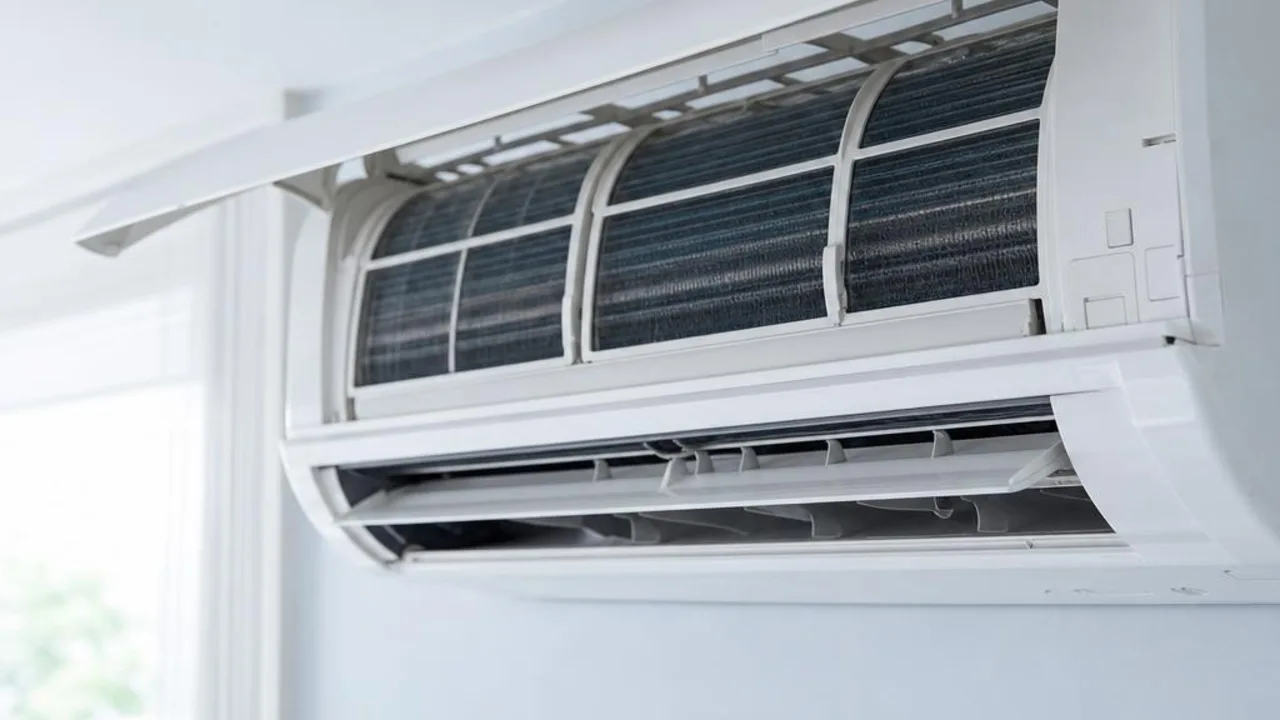
Before wall-mounted AC cleaning: protection under the unit, access height, and working space
Contents
Before wall-mounted AC cleaning, residents mainly need to prepare the model type, items under the unit, installation height, and side clearance; this is not about dismantling and cleaning it yourself. Curtains, fixed cabinets, beds, or appliances affect the protection and access method, so take photos and explain them first for the service staff to assess.
Distinguish the indoor and outdoor unit locations.
Please provide the indoor unit model and the outdoor unit location that can be photographed from a safe position; do not remove the casing or lean out to take photos. Indoor cleaning and whether the outdoor unit is to be handled must be confirmed separately; do not assume one booking covers everything.
Under-unit protection and work path
Move away small items, clothes and appliances that you can safely move yourself, and keep the space under the unit and along the passage clear. Do not force movable furniture or large items to be moved; confirm protection and access arrangements with customer service first.
State the power supply location first; do not disconnect wires yourself
Explain the visible power point and whether there is a fault; shutdown and user operation depend on the model manual. Junction boxes, fixed power supply, and electrical control parts should not be opened by residents. If the arrangement is unclear, ask customer service first.
Assess high-level and side clearance first
Please state whether there are fixed cabinets, walls, or curtains above or beside the unit, and whether ladders can be placed safely; residents should not climb, move the unit, or loosen fixing parts to make room.
Please state any existing issues before cleaning.
If there is dripping, poor cooling, ice formation, unusual noise or a tripped breaker, record when it started and explain it first. Cleaning can remove dirt buildup, but pre-existing faults may require a separate inspection. If there are signs of danger, stop using it first.
For internal fan wheel, heat exchanger or drainage work, service staff will assess according to the model; do not try to handle it yourself with a brush, vacuum cleaner or cleaning agent.
Do not use an air gun to blow dust out of the unit, and do not spray chemicals first and then visit on site. Cleaning methods and protection for the electronics should be arranged by service staff.
What should be checked before completion?
Restoration, fixing and test-running are arranged by the service staff. Residents should not refit the internal parts of the unit themselves; if there are follow-up items, please ask them to explain clearly.
Check the actual completed scope for indoor, outdoor and drainage works, and keep the date and quotation record. Do not remove the casing to inspect the inside.
If there is any odour, dripping water or unusual noise after service, record the situation and contact us for follow-up within the confirmed scope. If a breaker trips, there is a burning smell, or water is near a power source, stop using the unit first and do not keep testing it.
Find professional help
Providing full site details helps assess high-level access, protection and dismantling needs. Please confirm the work scope, any extra works and charges first; not every location can be cleaned in the same way.
The key preparation for residents is information, space and existing problems; there is no need to buy dismantling tools or cleaning agents in advance.
Internal work, electrical controls, and high-level work on the wall-mounted unit should be handled by appropriate personnel; daily filter maintenance is limited to the scope stated in the manual. Cleaning does not mean every fault can be solved, and it does not guarantee a fixed energy-saving result.
Related reading and services


Need professional help?
Need to know about Residential air conditioning service? First check the service scope and arrangements, then provide the model and site details for enquiry