
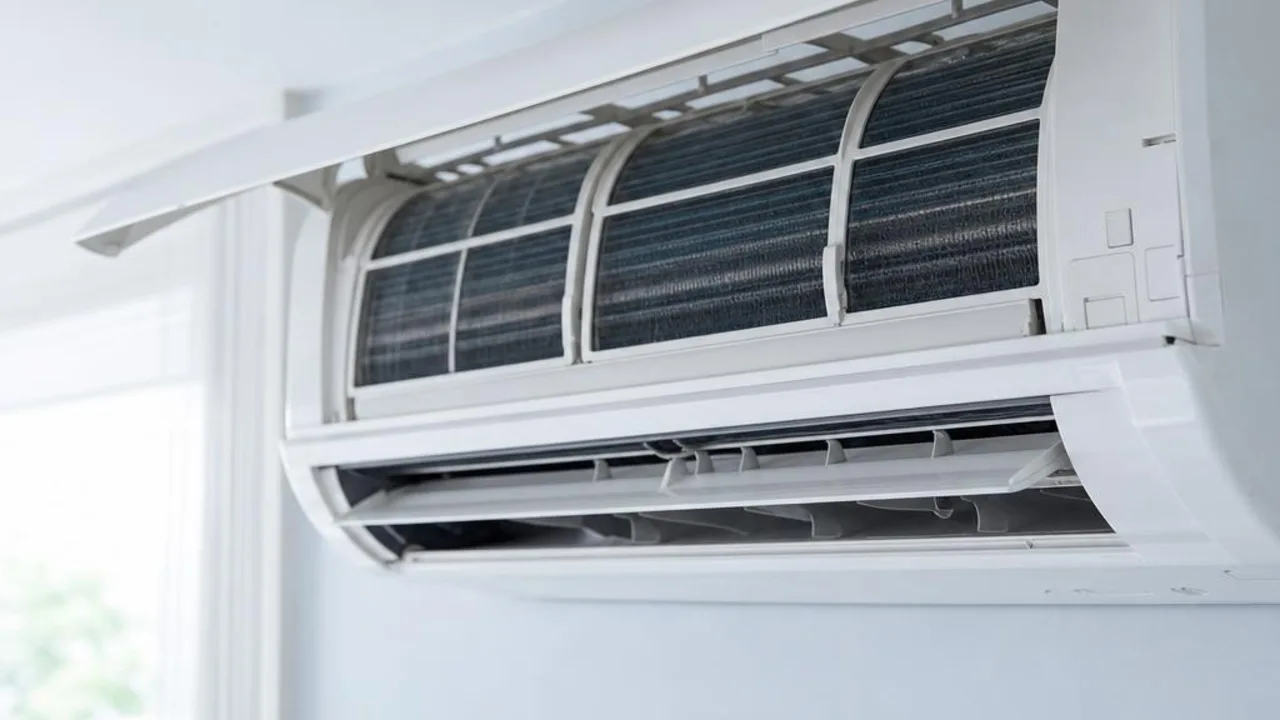
How to Choose an AC High-Pressure Water Gun: Pressure, Flow Rate and Equipment Protection
Contents
Do not choose AC cleaning equipment based only on a water jet’s maximum pressure or motor power. Water flow, nozzle type, pressure adjustment, AC materials and electrical protection all affect the work, and higher pressure does not mean better cleaning.
Maximum pressure is not the actual cleaning setting
The maximum pressure stated on the product label does not mean that pressure should be applied to fins, filters, or drain pans. Check the air conditioner manufacturer’s requirements, the cleaning equipment instructions, and the condition of the parts before arranging the work by qualified personnel.
There is no safe pressure setting of 100 to 150 bar that applies to all domestic air conditioners; excessive water pressure, the wrong nozzle or spraying too close can damage parts, so do not follow one online figure for every unit.
Water flow rate, nozzle and adjustment capability
Flow rate affects the arrangement for water supply and wastewater collection, while the nozzle and water pattern affect the working range. You need to consider the site water source, protective cover, wastewater recovery, and drainage direction at the same time, rather than comparing spray strength alone.
Do not apply the settings used for cleaning the unit to a removable dust filter, and do not aim water at people, animals, or electrical parts.
Motor power and accessories should be compared according to the intended use
Rated power, power supply conditions, continuous operation requirements, and hose and accessory compatibility are all selection factors. 1300 to 2000 watts is not a standard requirement for home AC cleaning, and power alone cannot guarantee cleaning results.
The overload or waterproof design of the equipment cannot replace on-site electrical safety; sockets, extension boards, cables, and water flow must be assessed separately.
Why not treat dismantling and spray cleaning as a resident tutorial
Removing the casing, fan wheel and cleaning the interior may involve residual charge, sharp edges, fasteners and incorrect reassembly. Even after power is off, ordinary residents should not follow written steps to open the electrical box themselves or spray the inside with a water jet.
The outdoor unit also involves height, support, and safe access issues. Do not lean out of the window, stand on the windowsill, or move the unit yourself.
Enquire about proWhat can be confirmed for professional cleaning
First explain the model, quantity, buildup and fault condition, then confirm waterproof protection, dismantling and cleaning scope, wastewater handling and the final inspection. Cleaning is not done with a single high-pressure water jet, and it cannot guarantee to kill all bacteria or repair parts.
Follow the manufacturer’s instructions for the dust filter that can be removed and washed by the user; deep cleaning and fault inspection should be arranged separately within the service scope.
Related reading and services
Reference sources and applicable scope
This article provides a preliminary guide only and does not replace an on-site diagnosis. Original manufacturer functions and operation apply only to the corresponding model; please refer to your own unit's manual. For fixed electrical installations, inspection should be arranged by a registered electrical contractor.

Need professional help?
Need to know about Residential air conditioning service? First check the service scope and arrangements, then provide the model and site details for enquiry