
Not cooling, icing up or abnormal after AC cleaning: stop using it first and record it
Contents
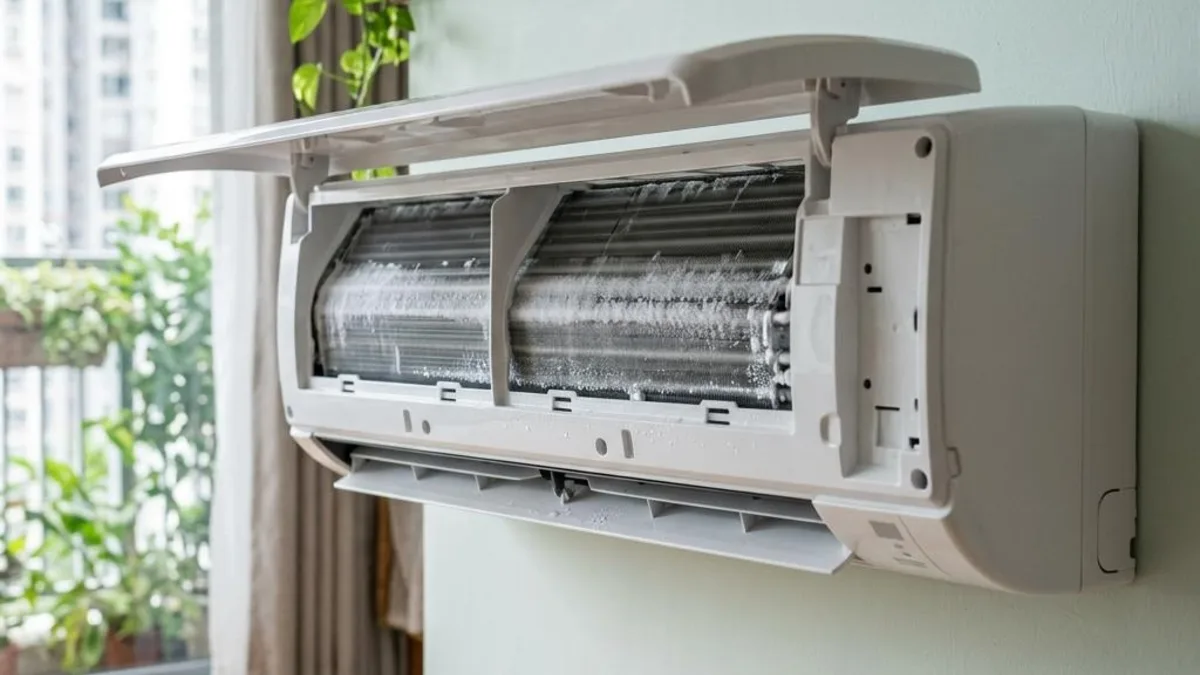
If the unit is not cooling, icing up, dripping or making unusual noises after AC cleaning, follow up according to the actual situation. The fact that it happened after cleaning is not enough to diagnose the part involved or determine responsibility, but it should not be ignored or delayed by repeatedly restarting the unit.
In which situations should use be stopped first?
If icing, continuous indoor dripping, obvious abnormal noise, or abnormal airflow occurs, stop using the equipment first and contact the service provider. If there is a burning smell, smoke, tripping, or water on electrical parts, do not restore power; only handle the power supply if it is safe to do so.
Do not chip off ice, use hot water or a hair dryer to melt it, and do not lower the temperature further to force cooling. If a dangerous situation has already occurred, do not recreate it for filming.
Fan mode after cleaning is not a standard procedure for all models
Drying, reassembly, drainage and operation checks after cleaning should be confirmed by staff according to the model and the work conditions. A fixed number of minutes in fan mode cannot be used as proof that the electrical parts inside the unit are safely dry.
The built-in drying function for routine use is different from equipment that has just been cleaned or is suspected of being wet. Before confirming it is safe to power on, do not use fan mode to dry water or chemicals.
Not cooling does not mean the refrigerant has been removed.
Refrigerant is not a daily consumable in a normally closed refrigeration system; cleaning itself should not be described as causing inevitable refrigerant loss. Airflow, installation, settings, sensors or existing faults may all need to be checked.
If the unit freezes after cleaning, do not just adjust the temperature or top up refrigerant. Do not connect gauges yourself, move the temperature sensor wire, remove the blower wheel, or open the electrical box.
Provide a record and follow up according to the cause.
Provide the service date, model, before-and-after cleaning condition, fault indicator, and photos taken from safe positions. Keep the confirmed quotation and completion records. First determine the cause before deciding on cleaning follow-up or repair.
Our 90-day cleaning warranty and the commitment to cover costs for damage caused by staff cleaning are handled according to the cause and the current terms; it is not automatically free for any later fault. Repairs do not come with a warranty, and the different service commitments are not interchangeable.
Related reading and services
- Current residential AC cleaning scope and charges
- Air conditioning guide by symptom
- Current charge confirmation, payment, rescheduling and service terms
- Back to AC encyclopedia and continue reading
Reference sources and applicable scope
This article provides a preliminary guide only and does not replace an on-site diagnosis. Original manufacturer functions and operation apply only to the corresponding model; please refer to your own unit's manual. For fixed electrical installations, inspection should be arranged by a registered electrical contractor.
Need professional help?
Need to know about Residential air conditioning service? First check the service scope and arrangements, then provide the model and site details for enquiry