
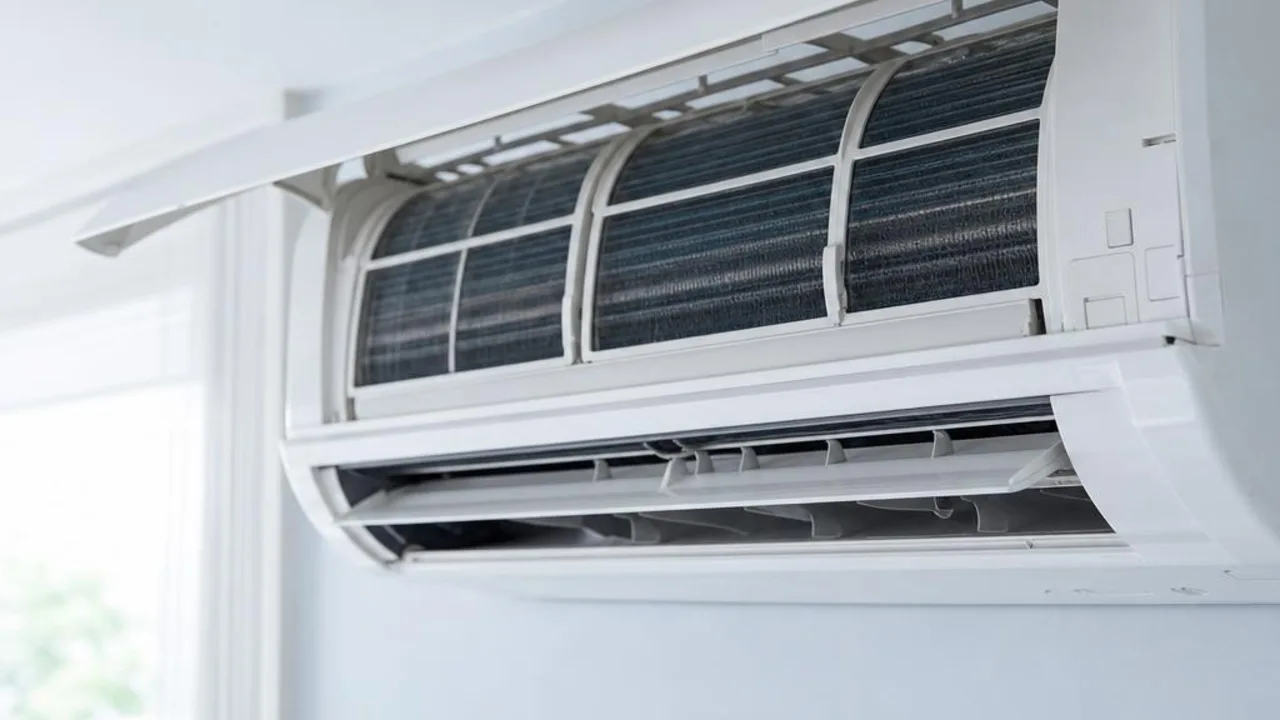
DIY AC cleaning only cleans the surface filter
Contents
Hong Kong summers are hot and humid. After work, when you get home sweaty, the first thing you want to do is turn on the air conditioner. But when you switch it on, the air that comes out is not only not cool enough, it is also accompanied by a strong, pungent mouldy smell, and may even make everyone at home sneeze one after another. Many people think, “It’s fine, I’ll just take out the dust filter and wash it clean myself.” So they rush to the bathroom to rinse the filter, thinking that counts as maintenance. But before long, the mouldy smell is still there, and the airflow becomes weaker and weaker.
If you clean your own AC, is it really only the surface filter that can be cleaned? What about the hidden dirt inside? Today, as a professional AC cleaning team, we will take a closer look at this maintenance issue that troubles many Hong Kong households!
Does cleaning the dust filter really mean the whole unit is clean?
Many people think that opening the front panel of the AC and rinsing the white dust filter with water means the unit has been cleaned. In fact, the dust filter is only meant to block larger dust and hair in the air. Fine airborne particles, cooking fumes and moisture produced during AC operation can pass through the filter and reach the internal aluminium fins (evaporator) and drain pan. Hong Kong's spring and summer are extremely humid, so the inside of the AC remains dark and damp for long periods, making it easy for large amounts of black mould and bacteria to grow. When the unit is turned on, these hidden mould spores are blown out by the fan and fill the whole room. Therefore, simply washing the surface filter cannot remove the stubborn dirt and mould odour hidden deep inside the unit.
What hidden risks are there in DIY AC spraying?
When people see videos online or on social media teaching how to "deep clean an air conditioner" themselves, many are tempted to buy a commercial "air conditioner cleaning spray" and spray it blindly onto the evaporator. In fact, this method has many hidden risks. The internal structure of an air conditioner is very delicate, and directly below and beside it are often circuit boards and various sensors. If you cannot control the amount of spray used during cleaning, or if liquid accidentally seeps into the circuit board, it can cause a short circuit, or even burn out the main board, leading to costly repairs. In addition, if chemical cleaning sprays on the market are not thoroughly rinsed away with clean water, the remaining chemicals may instead accelerate corrosion of the aluminium fins, and may even release a pungent smell when the unit is turned on again, causing secondary harm to the respiratory tract.
Physical limits: DIY cleaning vs professional deep cleaning
To help owners clearly understand which tasks they can handle themselves and which must be left to professionals, we have organised the key dimensions into the comparison table below:
Cleaning and Maintenance Aspects 🔍
DIY scope (safe limits) ⚠️
Scope of professional deep AC cleaning (professional technique) ✨
Filter and panel 🧹
Remove the dust filter, rinse it with water, and gently wipe the casing and air guide with a slightly damp cloth
Use high-temperature steam to disinfect the casing and air outlet
Indoor evaporator and fan wheel ⚙️
Cannot reach it; spraying cleaner carelessly yourself may cause water ingress into the circuit board and a short circuit.
Use a wall-mounted waterproof cleaning bag, together with a high-pressure spray gun and eco-friendly cleaning solution for deep rinsing
Drain pan and drainage piping 💧
Can only inspect the surface, making it difficult to remove the thick sludge and moss deep inside
Unblock the drain pipe, thoroughly remove mould from the tray, and prevent backflow leakage
As shown in the table above, the safety-operable scope for ordinary households is mainly limited to surface maintenance. Deep cleaning of internal core parts requires professional tools and protective equipment to be completed properly.
In what situations should you avoid trying to fix it yourself?
In daily home maintenance, distinguishing the boundary between safety and risk is an important step in protecting appliances. When you find the air conditioner showing any of the following conditions, do not insist on dismantling it yourself:
- ⚠️ The fan blades are covered with black dirt: if you shine a flashlight into the air outlet and see that the cross-flow fan inside is clogged with a thick layer of black mould and grime, wiping the exterior alone will not solve the problem.
- ⚠️ The air blowing out has a persistent sour smell: even after cleaning the filter, if you still smell a sour or musty odour when the unit is turned on, it means the internal evaporator and drain pan have already developed heavy bacterial growth.
- ⚠️ Cooling efficiency has dropped noticeably or there is dripping water: if the air conditioner makes unusual noise while operating, drips abnormally from the air outlet, or its cooling performance is much weaker than before, this often involves internal structure or pipe blockage and requires an on-site inspection and repair by a professional technician.
Seek help from a professional team
If you find that the surface dust filter of your home AC is already clean, but the musty smell and weak airflow still bother you, or if you are worried that handling it yourself may damage the circuit board, rather than taking the risk and messing around, let a professional team in this field handle the deep AC cleaning and maintenance work. As a team that understands the pain points of Hong Kong households, we have professional high-pressure cleaning equipment and experienced technicians who can thoroughly clean every hidden area inside the unit, quickly remove odours, and improve cooling efficiency. When you want your home AC to feel fresh and cool again so you can live healthily and with peace of mind, professional support can make the whole process far more efficient and help you handle all AC cleaning issues with ease.
Frequently Asked Questions (FAQ)
Q1: If I wash the dust filter every two weeks myself, does that mean I never need to hire a technician for a deep AC clean?
A: No. Cleaning the filter only blocks larger dust particles; it cannot stop fine cooking grease and mould from entering the unit. For most Hong Kong households, at least one professional deep high-pressure wash each year is recommended to truly keep the air fresh and extend the unit’s lifespan.
Q2: Are the air conditioner cleaning sprays sold on the market recommended for home use?
A: If used improperly, spray liquid may flow into the circuit board or fan motor, easily causing a short-circuit fault. Also, if there is not enough clean water to rinse thoroughly after spraying, chemical residue can corrode the metal fins. Therefore, non-professionals are not advised to use internal spray cleaning blindly.
Q3: Why does the AC give off a faint smell for the first few minutes after cleaning?
A: When the unit is switched on right after cleaning, moisture remaining inside may evaporate and carry a slight smell. Usually, if you keep the air circulating for a period of time, it will dissipate naturally. If the odour continues, the water tray or drain pipe may need to be checked again for remaining debris.
Related reading and services


Need professional help?
Need to know about Residential air conditioning service? First check the service scope and arrangements, then provide the model and site details for enquiry