
Will an old AC break after cleaning? A few tips for assessing cleaning risks for older models
Contents
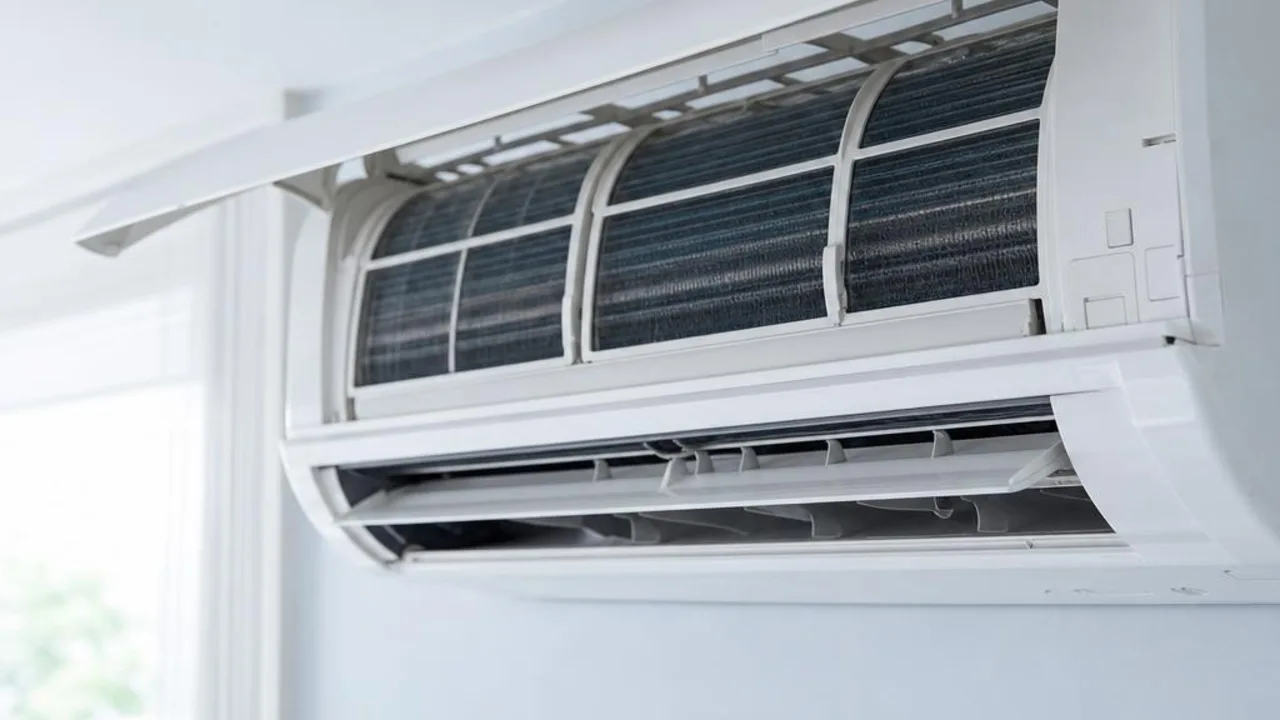
As air conditioners get older, the dust and mould accumulated inside the unit are often more serious than in new machines. Many users want to clean the unit to improve odour and cooling performance, but are also worried that an old machine may break down more easily after cleaning. In fact, older air conditioners do carry certain physical risks during cleaning, but that does not mean they cannot be cleaned. Before arranging maintenance, assessing the unit's condition from several angles and taking appropriate precautions can help reduce the risk of damage and allow older appliances to get through cleaning safely.
Old plastic and parts harden and become brittle after long-term use
The casing, drain pan, air guide vanes and fixing clips of an air conditioner are mostly made of plastic. After years of exposure to alternating hot and cold conditions, humidity and air oxidation, these plastic parts can gradually lose elasticity and become very brittle. When removing the casing and drain pan to clean the internal aluminium fins and blower wheel, even if the technician works very gently, some severely aged plastic clips or screw holes may still break. This is a common form of physical wear in older units during dismantling and reassembly.
Reduced moisture protection for the control board and wiring connectors
The indoor unit of a split-type air conditioner contains an electronic control board that manages operation. In older machines, the waterproof gaskets on the electronic board cover and wire connectors may already have gaps or lost their sealing function due to aging. During AC cleaning, although professionals will use a waterproof cover to shield the electronic board area, older units may already have tiny damage in the circuit wiring insulation. Once a small amount of moisture or mist seeps into these vulnerable parts, there is a chance of short circuit or poor signal transmission when power is restored.
Severely corroded aluminium fins and the welded joints of copper pipes have reduced pressure resistance
The key heat-exchange parts of an air conditioner, namely the aluminium fins and refrigerant copper tubes, are exposed to condensate for long periods. For older units used for more than ten years, the aluminium fins may already show varying degrees of oxidation and powdering, and the welded joints on the copper tubes may also become thin due to corrosion. When using a high-pressure water jet to remove stubborn built-up dirt, if the water pressure is not set properly, or if the metal has reached its fatigue limit, the strong water flow may deform the fragile aluminium fins under pressure and may even trigger leakage of refrigerant from tiny pinholes in the copper tubes that were already very small.
Detailed operational testing and abnormal noise assessment before cleaning
To reduce disputes over faults after cleaning old air conditioners, it is essential to carry out a full operational check before starting work. The owner can work with the technician to turn on the air conditioner for 15 to 20 minutes first, carefully listening for whether the compressor start-up sound is too heavy, whether the fan makes unusual friction sounds or vibrations, and whether the air outlet temperature can drop normally. If signs such as strained motor operation, control failure or very slow cooling already exist before cleaning, it means the unit is already in a less-than-ideal condition and should be handled more gently during cleaning.
Assess the balance between the budget for replacing with a new unit and the cost of repair and maintenance
For some very old AC units, or antique units that have been discontinued for many years and for which parts are hard to find, owners may wish to weigh the long-term economic benefit before deciding to clean them. The compressor efficiency of older units is usually much lower, and their power consumption is relatively higher. If the assessment shows that cleaning and potential parts repair costs are high, and the unit is close to the end of its service life, then if budget allows, considering a direct replacement with a newer inverter AC that is more energy-efficient and quieter may sometimes be a more cost-effective and one-time solution.
Seek help from a professional team
Cleaning old air conditioners is a technical task that requires great patience and careful workmanship. For ageing units with worn structures and fragile parts, technicians need extensive on-site experience. Choosing an AC engineering team with solid repair support and professional protection, and having them provide an objective risk assessment and equipment condition diagnosis before cleaning, can effectively minimise the risk of damage to old air conditioners, so older appliances can regain clean and refreshing airflow safely.
Related reading and services


Need professional help?
Need to know about AC repair service? First check the service scope and arrangements, then provide the model and site details for enquiry