
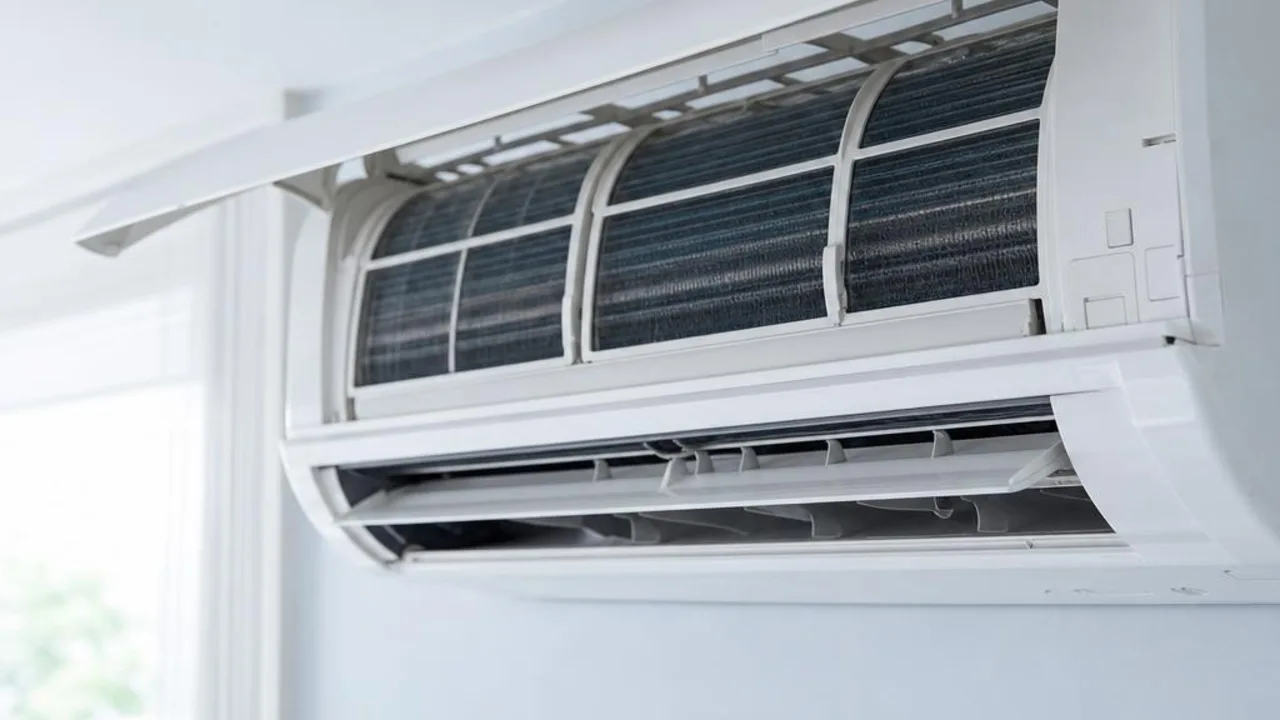
Why it is necessary to clean window-type AC units after a typhoon
Contents
After a typhoon, most people focus on repairing damaged roofs, clearing fallen trees, or dealing with water accumulation at home. However, one cleaning task that is often overlooked is air conditioner maintenance. Typhoons often blow dust, leaves, paper, and other debris into the air conditioner, affecting its performance and even its lifespan. This article will explore in depth why window-type air conditioners should be cleaned as soon as possible after a typhoon, and provide detailed cleaning steps and precautions.
Typhoon aftercare for window units|Why clean a window-type air conditioner after a typhoon?
After a typhoon, the AC unit may accumulate dust or debris, which can affect cooling performance. Therefore, once power safety is ensured, cleaning and inspection can help restore normal operation and can also serve as a maintenance method to extend its service life.
Typhoon aftercare for window units|How do you clean a window-type air conditioner?
Below is a detailed cleaning and maintenance procedure to help your air conditioner return to normal operation after a typhoon:
Step 1: Turn off and unplug the power
Before carrying out any cleaning or maintenance work on an air conditioner, always make sure the power is switched off and the plug is unplugged to prevent electric shock.
Step 2: External cleaning
Wipe the casing in the manufacturer-approved way, and avoid letting liquid enter switches, wiring, or internal parts. Do not clean with a hard brush, high-pressure water, or unverified chemicals, and do not treat external cleaning as the same as deep internal cleaning.
Step 3: Internal cleaning
Only remove the filter that your model’s manufacturer allows the user to take out, and clean, dry, and reinstall it according to the instructions; first confirm whether it is washable. Do not remove the fixed casing, force open clips, or soak special filter materials in cleaning agent without exception.
Internal air conditioner components such as the condenser and evaporator should be deep-cleaned by professionals. Users should not spray liquid directly onto internal components or electrical circuits.
Step 4: Check and repair damage
After cleaning, check the air conditioner for any obvious damage, such as loose screws, whether the fan is working properly, or whether the drain pipe is blocked. If any problems are found, contact a professional immediately.
Step 5: Reassemble and test
After all parts of the air conditioner have been cleaned and dried, reassemble it, plug it back in, then turn it on to check whether it operates normally and make sure there is no unusual noise or smell.
Typhoon aftercare for window units| Notes
When carrying out cleaning and maintenance work, pay attention to the following:
Safety first: always switch off and unplug the power before cleaning, and avoid direct contact with the internal electronic components of the air conditioner during operation.
Consult a professional: if you are not familiar with the structure of the air conditioner, or are unsure how to carry out cleaning and maintenance, it is recommended that you seek help from a professional.
Regular cleaning: In addition to cleaning after a typhoon, air conditioners should also be cleaned and maintained regularly to ensure they continue to operate normally.
Overall, cleaning an AC after a typhoon is a necessary task that can help improve its efficiency, reduce energy consumption, and extend its service life. By following the steps and precautions above, you can complete the task easily and ensure your AC returns to optimal operating condition after the typhoon.
Related reading and services
- Related service scope and current charges
- Back to AC encyclopedia
- Daikin: operating manual for specified FTXL/ATXL models
- Daikin: usage and troubleshooting enquiries


Want to arrange AC cleaning or maintenance?
OPOExpert Air Conditioning provides residential and commercial AC cleaning and maintenance with clear pricing. Enquiry first or book online directly