
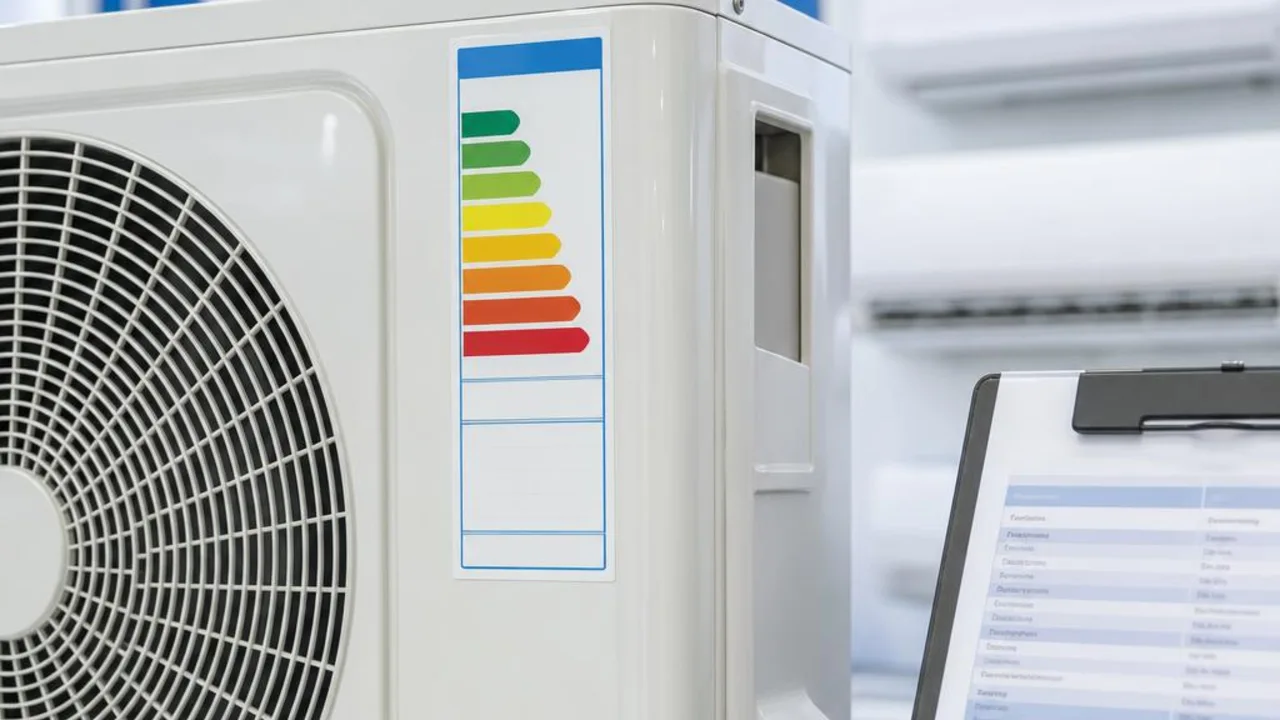
How should year-round air conditioning be scheduled for maintenance? Cleaning time should be based on usage records
Contents
For air conditioners used all year round, cleaning should not be scheduled only by month or once a year. First record the hours of use, environment, model, dust accumulation, and the date of the last service, then adjust according to the manufacturer's requirements and actual condition; intermittent home use and long hours in an office may not be the same.
First create a basic record for each unit
Model and maintainable parts
Record whether it is a window-type, split-type or other model, the model number, installation location and accessibility. Washable filters, non-washable filter media and internal parts should be handled separately; do not use the same method for all equipment.
Usage time and environment
Record the approximate daily usage time, as well as sources of renovation dust, cooking grease, or other dirt buildup. The actual condition is more useful than applying a fixed annual cycle when deciding on maintenance needs, and it does not guarantee any reduction in electricity bills.
Last cleaning and repair details
Keep separate records of cleaned parts, repair items, dates and follow-up status; replacing parts does not mean deep cleaning has been done, and cleaning the indoor unit does not mean the outdoor unit or drainage repair is included.
Separate abnormalities from routine maintenance
A burning smell, tripping, icing, unusual noise, or dripping water near electrical parts cannot wait until the scheduled cleaning month. Stop using the equipment first and arrange an inspection; do not use more frequent cleaning as a substitute for repair.
Separate resident maintenance from professional service arrangements
Parts users can handle
Only inspect and handle the filter and exterior that the manual allows the user to maintain, and adjust according to dust build-up. Washable materials should be dried and reinstalled according to the instructions; do not dismantle the inner casing or spray chemicals.
Multiple units can be recorded separately. If one unit has dust build-up, that does not mean all units require the same treatment at the same time. Keep fault photos for enquiry, and do not lean out to photograph outdoor units.
First confirm the scope for internal cleaning.
Booking and on-site coordination
- Discuss the service time based on the actual condition and the manufacturer’s requirements, and do not insist on one deep clean every year. When arranging, confirm moving of items, site protection, accessible positions, and whether extra work is involved.
- Cleaning, drainage handling, and parts repair are quoted and confirmed separately. A normally sealed refrigerant system does not need topping up at every maintenance visit.
Reassess after seasonal change or long-term shutdown
Seasonal changes can be a reminder to inspect, but the arrangements differ for heating/cooling units, year-round offices and homes used only intermittently. For shutdown and restart, follow the manual; do not assume the unit is free of dust or mould just because of the month.
Update record after service
Record the actual work completed, problems found, and recommended follow-up. The next service should be adjusted again according to usage and equipment condition; the record is a basis for scheduling, not a guarantee of lifespan, health, or energy savings.
Related reading and services
Need professional help?
Need to know about Residential air conditioning service? First check the service scope and arrangements, then provide the model and site details for enquiry