
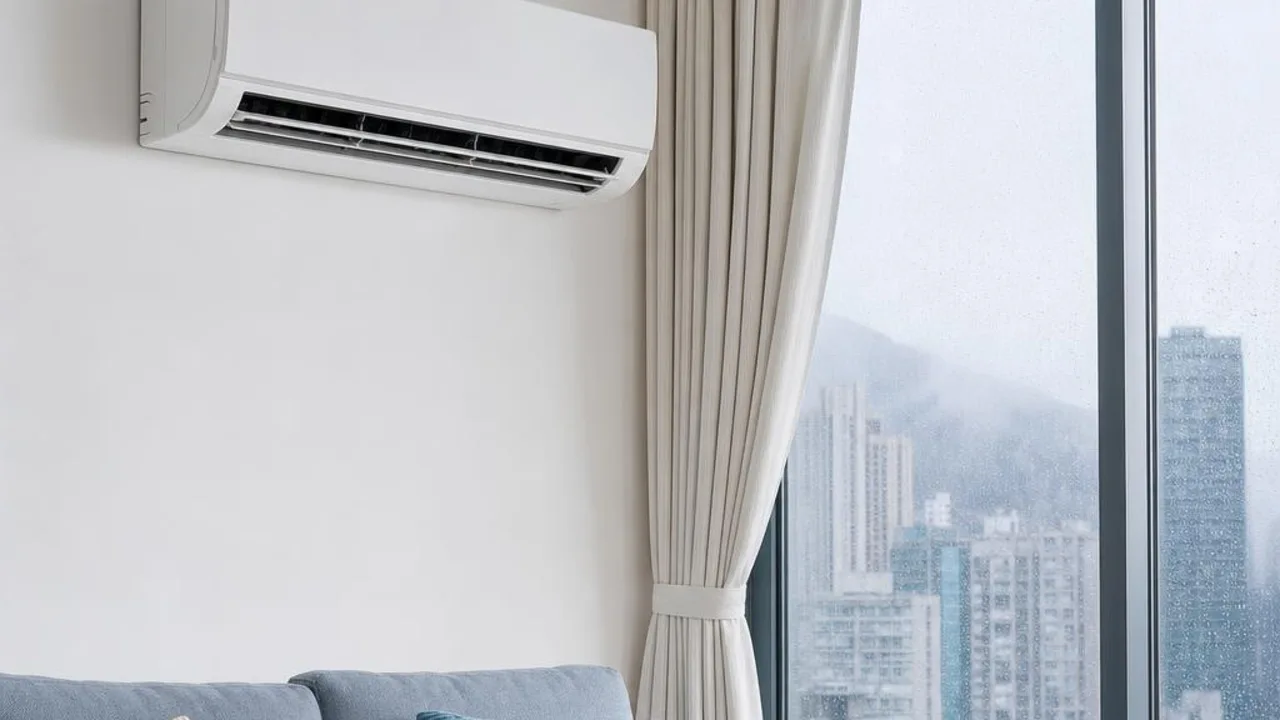
Using the air conditioner in humid weather: effective use and maintenance
Contents
Humid weather not only makes people feel uncomfortable, it may also affect the home environment. In such conditions, air conditioning can be an excellent solution. However, to use air conditioning effectively in humid weather, we need to understand some relevant knowledge and techniques.
Using the air conditioner in humid weather | how it works
During cooling, refrigerant absorbs heat in the indoor evaporator, releases heat at the outdoor condenser, and completes the cycle through compression and expansion. Some air moisture condenses on the evaporator surface and is drained away; cooling, dehumidifying and fresh-air ventilation are not the same function.
It is also worth noting that, besides temperature control, an AC also regulates humidity. When the refrigerant absorbs heat in the indoor heat exchanger, also known as the evaporator, the evaporator surface becomes very cold. As humid indoor air passes over the evaporator, moisture in the air condenses on it and is then discharged outdoors, which is why turning on the AC makes indoor air drier.
Using the air conditioner in humid weather | setting the right temperature and humidity
In humid weather, it is recommended to set the air conditioner to a suitable temperature range to balance comfort and equipment performance.
In addition, you should also pay attention to the indoor relative humidity. The ideal indoor relative humidity should be between 40 and 60%. If indoor humidity is too high, you can switch on dry mode or consider using a dehumidifier. Most modern AC units have a dry mode, which improves dehumidification efficiency while cooling the air.
Using the air conditioner in humid weather | maintenance and service
To ensure the AC performs well in humid weather, you need regular maintenance and inspection.
- Cleaning the air conditioner filter: The filter may become clogged with dust and other dirt, which reduces cooling and dehumidifying efficiency and increases energy consumption. It is recommended to clean the filter at least once a month.
- Inspect the drainage pipe: when the air conditioner is operating, a certain amount of condensate is produced and usually discharged through the drainage pipe. If the drainage pipe is blocked, condensate may flow back into the room and increase humidity. Therefore, you need to check regularly whether the drainage pipe is clear.
- Regular professional maintenance: It is recommended to hire professionals regularly to check refrigerant pressure, clean the heat exchanger, and inspect electrical connections to help maintain performance.
- If the air conditioner is faulty or needs frequent repairs, it is recommended to consult a professional technician to assess whether repair is feasible. When replacing with a new unit, consider a model with a suitable energy label to meet energy-saving needs.
This shows that in humid weather, air conditioning can provide a comfortable indoor environment, but proper settings and maintenance are needed.
Find professional help
Regular cleaning helps maintain the AC unit's operating environment. If deep cleaning or drain issues need to be addressed, it is recommended to contact a professional team for inspection.
Related reading and services
- Related service scope and current charges
- Back to AC encyclopedia
- Electrical and Mechanical Services Department: air conditioner energy label
- Consumer Council: split-type AC buying and usage tips
Want to arrange AC cleaning or maintenance?
OPOExpert Air Conditioning provides residential and commercial AC cleaning and maintenance with clear pricing. Enquiry first or book online directly