
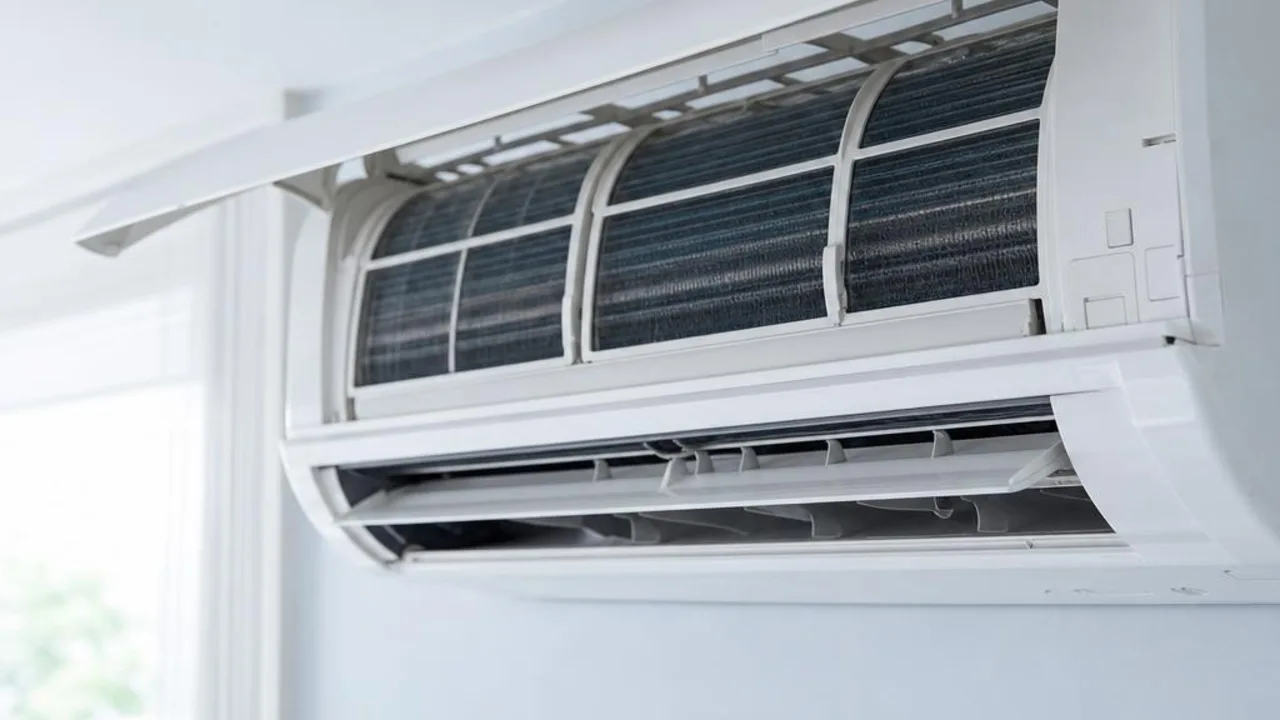
Water AC cleaning VS cleaning-agent AC cleaning | In-depth comparison
Contents
Air conditioners are essential in many homes and offices. Long-term use causes dust and dirt to build up, affecting performance, so regular cleaning is important. In this article, we compare two common cleaning methods in detail: water cleaning and detergent cleaning, to help you choose the right option.
Water AC cleaning VS cleaning-agent AC cleaning | Water AC cleaning
Water AC cleaning, as the name suggests, means cleaning the AC unit using only water. This method is relatively simple and does not require any chemical cleaning agents, so it causes relatively less damage to the AC unit. However, the cleaning result of water AC cleaning may be slightly worse than using cleaning agents, especially for some stubborn dirt.
Advantages:
- Environmental protection: Cleaning an AC with plain water does not require any chemical detergents, so the environmental impact is relatively small.
- Safety: cleaning with clean water will not corrode the air conditioner materials.
- Cost saving: compared with buying cleaning agents, using water to clean the AC costs less.
Disadvantages:
- Limited Cleaning Effect: Plain water may not fully remove stubborn dirt inside the air conditioner, especially dust and grime that have built up over a long period.
Water AC cleaning VS cleaning-agent AC cleaning | Cleaning-agent AC cleaning
Cleaning an air conditioner with cleaning agents means using professional chemical cleaners to wash the unit. This method usually gives better cleaning results and can effectively remove stubborn dirt inside the air conditioner and improve operating efficiency. However, chemical cleaners may affect the materials of the unit and the environment, so they must be chosen carefully.
Advantages:
- Good Cleaning Results: Cleaning agents can more effectively remove dust and dirt inside the air conditioner, improving its operating efficiency.
- Time saving: compared with water alone, cleaning agents can remove dirt from the air conditioner faster, saving cleaning time.
Disadvantages:
- May affect the environment: the use of chemical cleaning agents may leave chemical residues and affect the environment.
- May affect the air conditioner: some cleaning agents may corrode the materials of the unit, and long-term use may affect its appearance or the lifespan of parts. In addition, the cleaning agent must be thoroughly removed to avoid residue.
- Higher cost: professional cleaning agents need to be purchased, so the cost is higher than cleaning the AC with plain water.
Overall, water-based AC cleaning and detergent-based AC cleaning each have their pros and cons. If your AC is not very dirty, or if you care more about environmental impact and cost, water-based cleaning may be a good choice. If your AC has more dirt, detergent-based cleaning may be another option. Whichever method you choose, remember the importance of regular AC cleaning, and have it carried out by professionals to ensure quality.
Find professional help
When choosing between water cleaning and detergent cleaning for an air conditioner, selecting the right cleaning method is crucial. Seek help from a professional team. With extensive experience, they can choose the best cleaning solution based on the unit's specific condition, thoroughly remove dirt, ensure efficient operation, and let you enjoy fresher air.
Related reading and services


Want to arrange AC cleaning or maintenance?
OPOExpert Air Conditioning provides residential and commercial AC cleaning and maintenance with clear pricing. Enquiry first or book online directly