
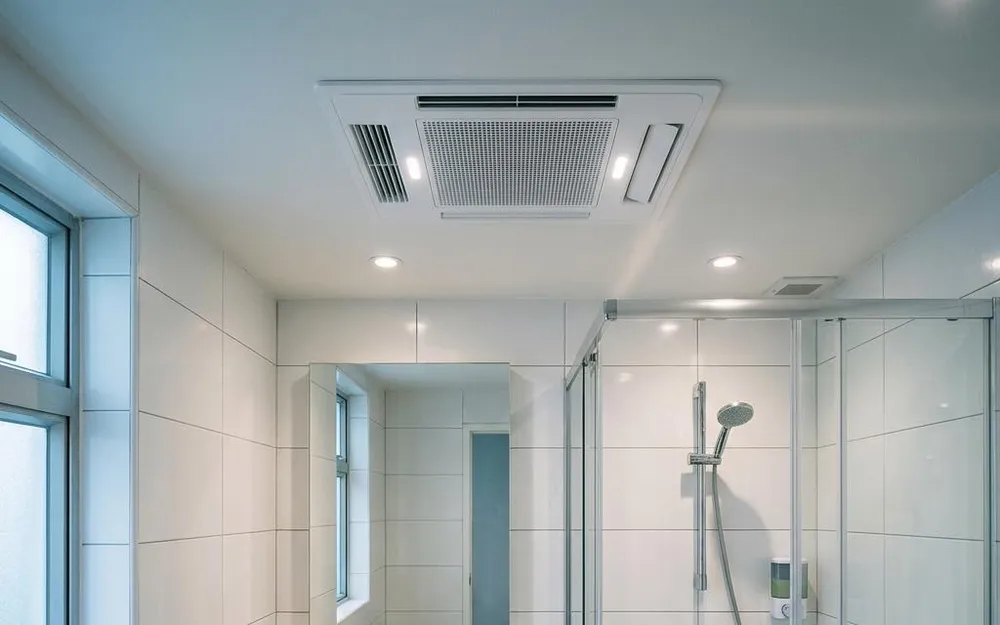
Bathroom heater has a smell: shutdown judgement before cleaning and model limitations
Contents
Odours from bathroom heaters may come from dust buildup, humidity, the exhaust environment or equipment faults. First determine whether it is a burning smell, smoke or overheating; do not assume it is only dirt without inspection, or that cleaning will definitely remove the smell.
First check whether there are warning signs that require shutdown
If there is a burning smell, smoke, unusual noise, overheating, repeated tripping, or electrical parts become wet, stop using the unit and arrange for the appropriate person to inspect it. Do not operate plugs or switches with wet hands, while standing on wet ground, or near flowing water.
A musty smell and a burning smell should be handled differently; do not mask them with fragrance sprays, and do not keep using warm air to try to dry out an unidentified odour.
Heating, circulation and ventilation are not the same function
Different models have different configurations for heating, cooling, ventilation, or drying modes. Heating may simply mean circulating and heating indoor air, and cannot be described broadly as extracting cold air and replacing it with fresh warm air.
Check the mode, filter and exhaust route in the manual; if pipework, exhaust dampers or other sources of bathroom odour are suspected, these should also be assessed together.
Having a waterproof rating does not mean it can be rinsed directly
Water-resistance rating, housing protection and cleanable parts must be checked against the actual model. Do not assume all bathroom heaters have the same IP rating, or that internal electrical parts can withstand sprayed water.
Some filters or coatings are not washable with water. Do not dismantle electrical components yourself, spray cleaner into the unit, or rinse with high-pressure water. The scope of what can be handled daily should follow the manufacturer’s instructions.
Professional cleaning first distinguishes between ceiling-mounted and window units
First confirm the brand and model, installation type, power isolation, accessible location, and suitable cleaning method. Our ceiling-mounted and window-type bathroom heaters follow different procedures; one wording should not be used to cover all equipment.
Deep cleaning may involve on-site protection, proper dismantling, cleaning according to material, reassembly and final checks; if there is an electrical or mechanical fault, the repair arrangement must be confirmed separately.
Ask separately about purchase, installation and cleaning fees
The unit price does not mean installation is included. Power supply, fixing and site conditions must be assessed according to the model, and any fixed electrical installation should be handled by a suitable registered person. A single old power figure or market price cannot replace a quotation.
Please see the Home Cleaning page for cleaning items and current prices. When enquiring, provide photos of the unit and installation location, the model, and the pattern of the odour. Customer service will then confirm the scope and arrangement.
Related reading and services
- Current items for bathroom heaters and other household cleaning services
- Cleaning process for ceiling-mounted and window-type bathroom heaters
- Back to AC encyclopedia
Reference sources and applicable scope
This article provides a preliminary guide only and does not replace an on-site diagnosis. Original manufacturer functions and operation apply only to the corresponding model; please refer to your own unit's manual. For fixed electrical installations, inspection should be arranged by a registered electrical contractor.

Want to arrange AC cleaning or maintenance?
OPOExpert Air Conditioning provides residential and commercial AC cleaning and maintenance with clear pricing. Enquiry first or book online directly