
AC Cleaning and Energy Savings: Dirt Buildup, Actual Power Use and the Limits of Effectiveness
Contents
AC cleaning can remove dirt within the confirmed scope, but the service name alone cannot be used to estimate how much electricity will be saved, and it certainly cannot guarantee that the cleaning fee will be offset by lower electricity bills. Energy specifications, actual usage and fault issues should be compared separately.
How to confirm dirt buildup and the cleaning scope
Dirt buildup on the filter and heat-dissipation related parts is worth noting. Which parts actually affect operation should be confirmed based on the unit condition. For the indoor unit, outdoor unit, dismantling, restoration and test run, write the scope clearly first; do not treat AC cleaning as proof that all parts have been inspected or repaired.
Why can't two electricity bills be compared directly?
Weather, operating hours, settings, room usage, other appliances and electricity billing can all differ. Keep records of the conditions before and after, as well as usage, and do not attribute the entire difference in household electricity bills to cleaning one air conditioner. Without corresponding measurements, no savings percentage or payback period will be provided.
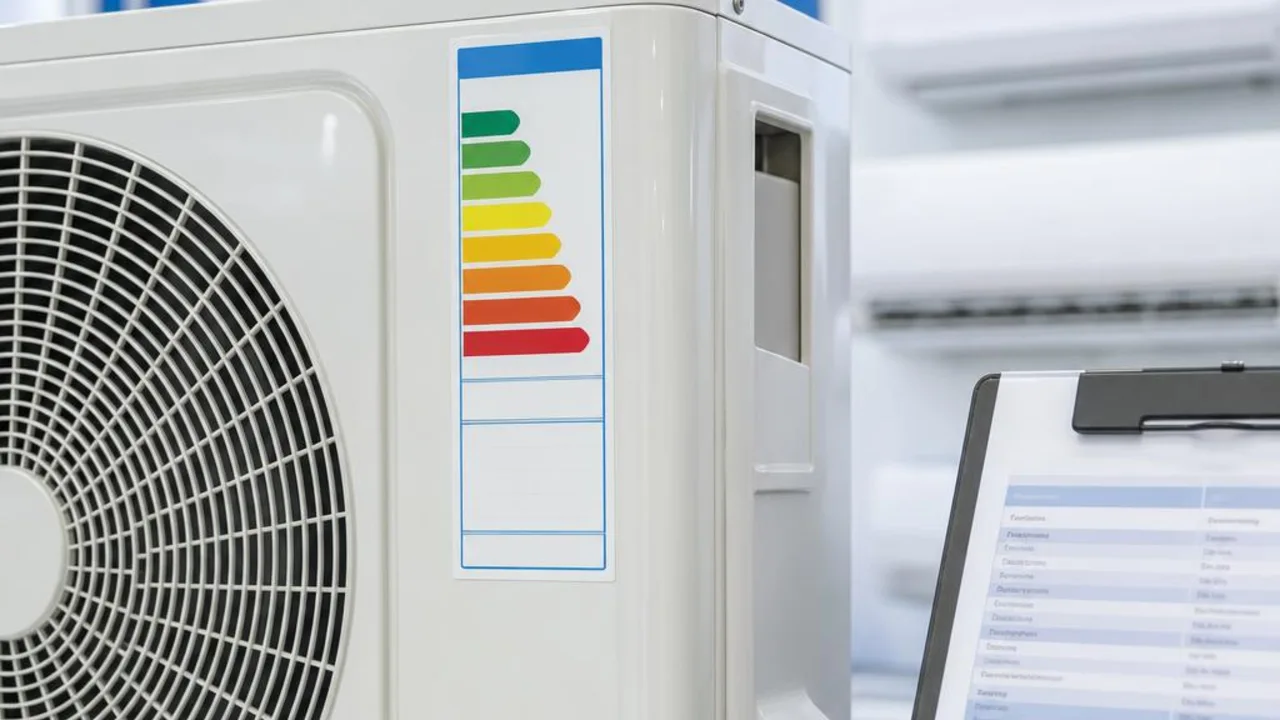
The energy label is not a personal electricity bill forecast
Hong Kong energy labels and standard efficiency data can be used as a reference when choosing a unit. Comparisons should be based on the corresponding capacity, type and conditions. Test performance does not equal household electricity use at every time of day, and results under different loads cannot be used as proof of cleaning effectiveness.
First find out whether the problem is high power use or not cooling
Record settings, usage, and existing abnormalities so service staff can confirm whether the cause is dirt buildup, a component issue, installation, or something else. Do not judge from high electricity use alone that cleaning or refrigerant top-up is required; do not dismantle the unit, spray chemicals, or rewire the power supply yourself to test energy savings.
Arrange maintenance according to actual needs
Filters that you can maintain yourself should be handled according to the original manufacturer’s instructions and the actual dust level; deeper cleaning should be confirmed separately based on the equipment and environment. There is no universal rule that everyone must clean it a certain number of times per year to avoid repairs, guarantee health or achieve a specific energy-saving effect.
Related reading and services
- Related service scope and current charges
- Back to AC encyclopedia
- Consumer Council: split-type AC buying and usage tips
- Electrical and Mechanical Services Department: air conditioner energy label
Need professional help?
Need to know about Residential air conditioning service? First check the service scope and arrangements, then provide the model and site details for enquiry