
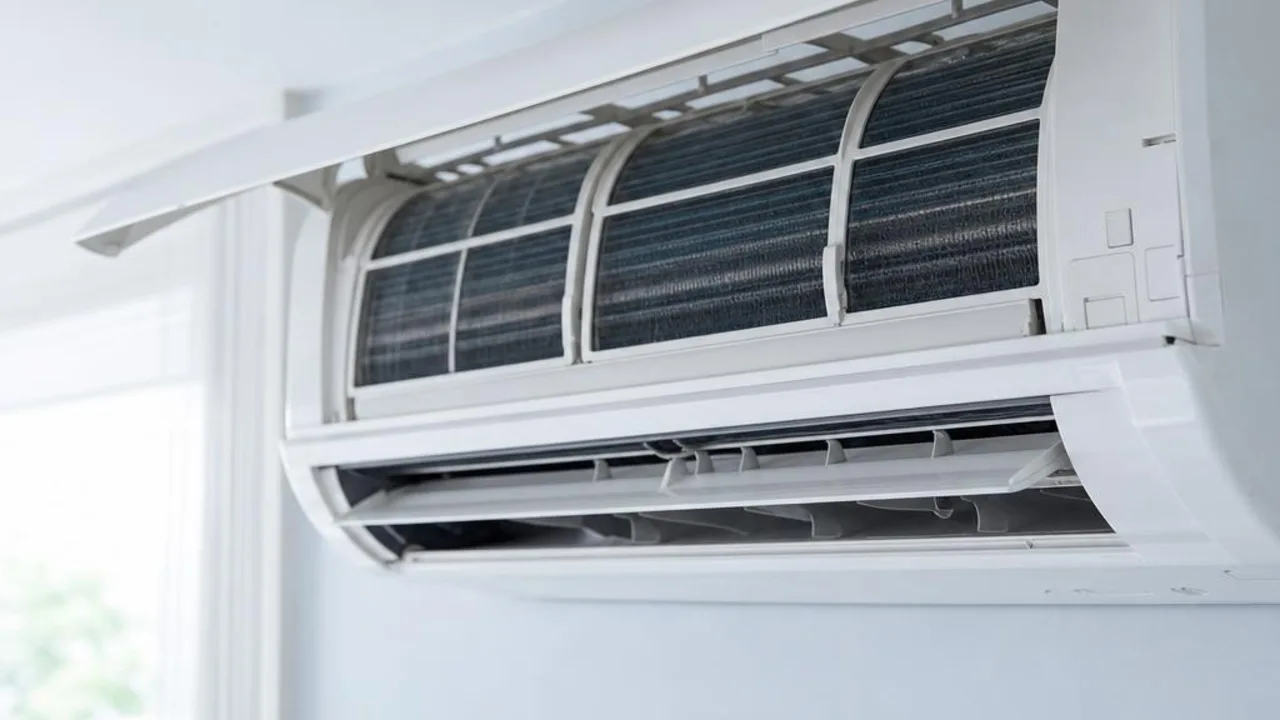
Correct way to clean AC filters
Contents
During summer or seasonal changes, cleaning the air conditioner filter is a routine household task that helps maintain indoor air quality and cooling performance. However, many people scrub the filter hard with a brush when cleaning it, thinking that this is the best way to remove all the built-up dust. In fact, overusing a brush may permanently damage the delicate filter. Understanding the filter's physical structure and using the shower head in the bathroom for reverse rinsing is a smart and labour-saving way to remove dirt while protecting the filter.
Over-scrubbing with a brush can damage the fine mesh of the filter
The AC filter is usually made of a fine mesh and is mainly designed to block larger dust particles, hair and skin flakes in the air. If you scrub it hard with a brush or a hard-bristled toothbrush, the mesh may deform due to friction. Damaged mesh may affect filtration performance and increase the chance of dust accumulating on the components behind it.
A showerhead reverse flush uses water pressure to carry away dust
The key to gentle yet thorough cleaning is the direction of the water flow. When an AC is operating, air is drawn in from the outside to the inside, so dust sticks to the side of the filter facing outdoors, namely the front side. If you rinse directly from the front, the water will push the dust deeper into the filter pores and make it stick more tightly. The most efficient cleaning method is to turn the filter over and use the shower head's water pressure to rinse in reverse, from the back side to the front side. This reverse force follows the structure of the material and can easily dislodge dust and hair trapped in the mesh.
Use a neutral detergent and room-temperature water to dissolve grease and dirt
Sometimes the AC filter not only has dust, but may also pick up a thin layer of grease and household dirt from being near the kitchen or from daily living. If plain water cannot remove it completely, you can first spray a small amount of diluted neutral detergent (such as dish soap or soapy water) onto the filter surface and leave it for a few minutes to soften the grease. When rinsing, avoid hot water, as high temperatures may deform the plastic frame and mesh of the filter. Using ordinary room-temperature water with the gentle spray from a shower head is usually enough to achieve a good cleaning result.
Avoid direct sunlight to prevent the filter material from becoming brittle or warped.
The drying step after cleaning also affects the lifespan of the filter. Many people place the filter on a balcony or by a window to dry it in direct sunlight, believing this will dry it quickly and sterilise it. However, the plastic frame and fibrous mesh of the filter are highly prone to ageing, brittleness, shrinkage, and deformation after prolonged UV exposure. The safest method is to gently blot away excess water with a clean cloth, then place the filter in a cool, well-ventilated area to air-dry naturally. Reinstall it only after it is completely dry.
The combined effect of routine filter maintenance and regular deep cleaning
Cleaning the filter yourself can help maintain basic airflow and reduce the buildup of large dust particles, but it is only the first line of defence in AC maintenance. Tiny allergens, mould spores and bacteria can still pass through the filter openings and enter deeper parts of the unit, such as the aluminium fins, drain pan and blower wheel. In daily use, besides rinsing the filter correctly every two to three weeks, you should also watch for black mould spots at the air outlet and arrange regular professional deep cleaning. That is the best way to keep both the inside and outside of the unit clean and maintain a fresh, comfortable breathing environment at home for the long term.
Seek help from a professional team
Daily maintenance and deep cleaning should work together. Users can handle routine filter rinsing themselves, while internal air duct cleaning and electronic component maintenance should be discussed with an experienced AC engineering team to ensure the unit operates in proper condition.
Related reading and services


Want to arrange AC cleaning or maintenance?
OPOExpert Air Conditioning provides residential and commercial AC cleaning and maintenance with clear pricing. Enquiry first or book online directly