
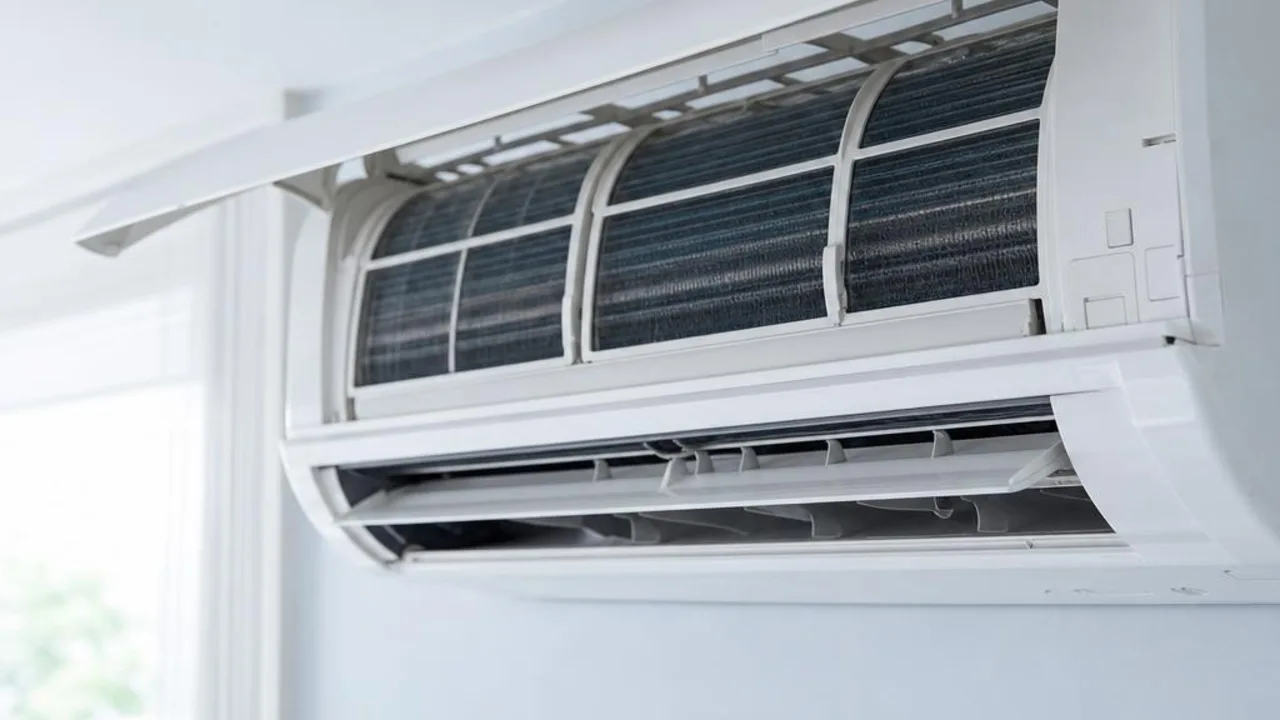
Are Stronger AC Cleaning Chemicals Better? Foam, Water-Based Formulas and Material Compatibility
Contents
AC cleaning chemicals are not better just because they are stronger, and foam or water-based products are not automatically harmless. First check the manufacturer’s requirements, the heat exchanger material and coating, and the product’s intended use and safety data. Residents should not spray chemicals into the unit or mix cleaning agents themselves.
AC cleaning chemicals | The role and importance of AC cleaning chemicals
The types of dirt a cleaning agent can handle and the washing conditions depend on the product. It cannot be claimed to kill all germs without corresponding testing. Cleaning and disinfection are not the same service.
Removing dirt may improve heat exchange or airflow affected by contamination, but no fixed amount of electricity savings is guaranteed, and not all cooling faults can be repaired.
Using an unsuitable product may affect materials, coatings, or electrical parts, and using chemical solution does not guarantee a longer unit lifespan.
Odour and health concerns should be handled separately; do not use the scent of a cleaner or anti-bacterial wording as a guarantee of health protection.
AC cleaning chemicals | Types of AC cleaning chemicals and how to choose
Descriptions such as foam, water-based and strong cannot be treated as fixed safety or cleaning grades. Product ingredients, purpose, concentration and material requirements must each be checked individually.
The appearance of foam does not mean dismantling is unnecessary, rinsing is unnecessary, or that it is suitable for homeowners to spray into the air conditioner themselves. Whether it can be used depends on the product and equipment instructions.
Water-based does not mean non-toxic, non-irritating or safe for all materials; always check the label, safety data and usage environment.
Stronger cleaning power does not mean it is more suitable for air conditioners. Do not increase concentration, dwell time or rinsing requirements on your own; do not mix different cleaning agents.
Even if marked for AC use, it does not mean it covers all coatings, filter materials or parts. Please still verify the actual model and intended use.
What should be clarified before service?
- Confirm the intended use, material compatibility, whether rinsing is required, electrical protection, wastewater collection, and site ventilation arrangements. If the label or safety data are unclear, do not try it yourself. These are service checks, not a resident's operating instructions.
Residents’ maintenance is limited to the filter and exterior cleaning methods permitted by the manufacturer; internal cleaning must be handled by suitable staff according to the unit condition and product requirements.
Find professional help
The quote should clearly state the cleaning scope and limitations. Do not replace performance and safety information with claims about chemical strength, fragrance or antibacterial effects, and do not promise treatment or permanent mould prevention.
Related reading and services


Need professional help?
Need to know about Residential air conditioning service? First check the service scope and arrangements, then provide the model and site details for enquiry