
Can antibacterial silver-ion or photocatalytic filters be washed? Cleaning limits for special-material dust filters
Contents
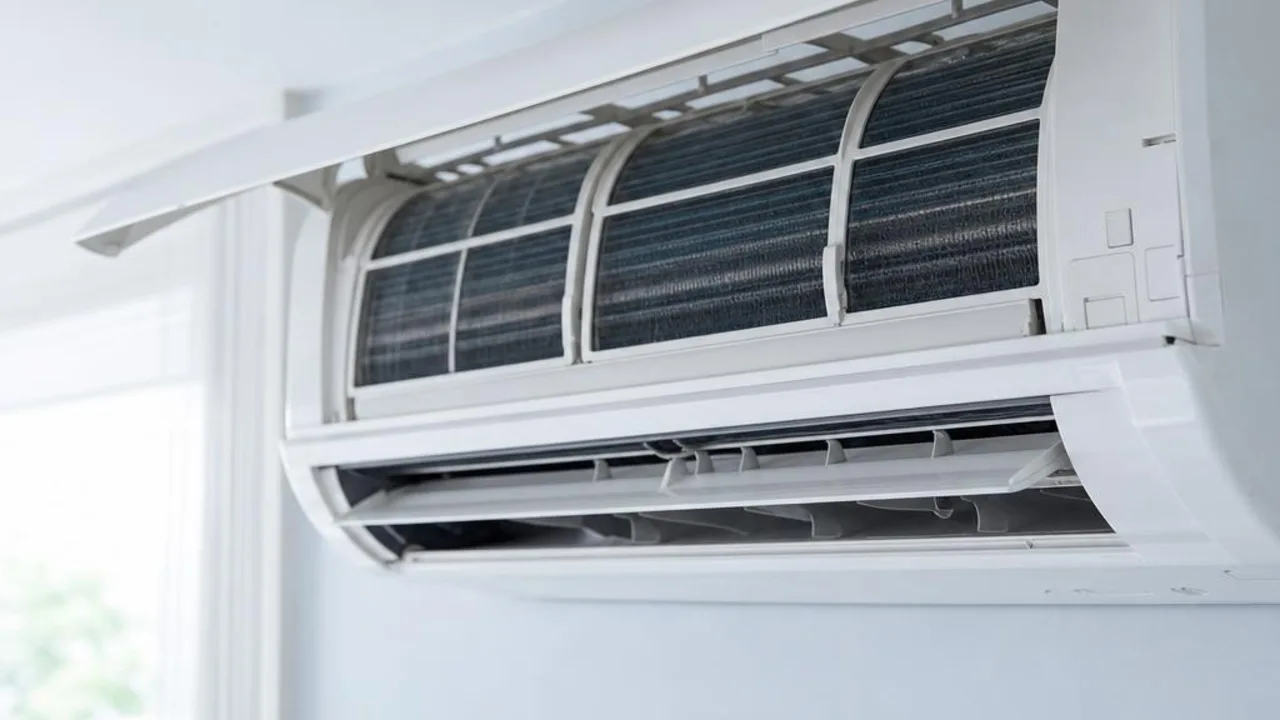
In Hong Kong's humid season, many households feel at a loss when cleaning air conditioner filters with special functions such as antibacterial silver ion or photocatalyst filters. There is much debate in the market over whether these functional filters can be washed with water, and users often worry that improper cleaning will damage their special coating or even reduce their air-purifying effect. In fact, as long as you objectively assess their material properties and chemical structure from a few key angles and adopt appropriate daily maintenance methods, you can balance air quality with filter performance protection.
Chemical working principles and water-wash limitations of silver-ion and photocatalyst coatings
To discuss whether special filters can be washed, first understand the physical and chemical properties of their surface coatings. Antibacterial silver-ion filters are usually made by attaching silver ions to the fibre substrate through physical or chemical means; if strong detergents or vigorous scrubbing are used, the active ingredients may come off more quickly. Photocatalytic filters rely on semiconductor materials such as titanium dioxide to produce a catalytic effect under light, breaking down odours and bacteria. If some photocatalytic structures are soaked for long periods or rubbed improperly, their nano-catalytic surface structure may be damaged. Therefore, these special filters often have strict washing limits, and improper cleaning may cause their functions to fail early.
Risk analysis of material ageing from sun exposure and natural drying
Key self-check points for identifying filter material before cleaning
Before cleaning the air filter at home, users may wish to carry out a simple self-check first to confirm whether the filter is made of a special material. First, consult the air conditioner user manual and read the manufacturer's cleaning instructions for that model's filter carefully. Some brands clearly state which filters should only be lightly brushed to remove surface dust, or rinsed gently with clean water without using any detergent. Second, observe the colour and texture of the filter. If it has a special metallic sheen or an odour-absorbing layer, extra care is usually needed. Through these detailed self-checks, you can avoid damaging an expensive functional filter by washing it blindly.
Cost-benefit assessment of routine maintenance and functional wear
When deciding how to clean a special filter, users may also wish to consider the long-term economic and health benefits. If improper cleaning causes silver-ion or photocatalyst coatings to peel off, the filter's purification performance will be greatly reduced. In general, special filters should be cleaned mainly by gentle dry wiping or very mild rinsing with water, and their actual condition should be assessed regularly. Replace original parts when necessary.
Seek help from a professional team
The overall air purification performance of an air conditioner depends not only on the pre-filter, but also on the cleanliness of the internal evaporator and air ducts. When an air conditioner still has odour or weak airflow even after the filter has been replaced or cleaned, it often indicates deep-seated dirt has built up inside. Choosing a professional AC engineering team with extensive local experience to provide an objective assessment of the unit and filter before cleaning, and to use professional equipment and a gentle antibacterial formula for a thorough descaling and cleaning, can effectively help restore the unit to optimal performance and ensure indoor air quality remains safe.
Related reading and services


Want to arrange AC cleaning or maintenance?
OPOExpert Air Conditioning provides residential and commercial AC cleaning and maintenance with clear pricing. Enquiry first or book online directly